
Certified for Safety. Trusted by Leaders Worldwide.
Pls inquire to sales@danddhardware.com
\\: +86 139 2903 7292

 English
 Author: D&D Hardware Publish Time: 2026-01-12 Origin: D&D HARDWARE


When you look at a building, the first things you notice are likely the architecture, the windows, or the grand entrance. You rarely stop to think about the small metal knuckles holding that heavy front door in place. Yet, the hinges are arguably the most critical component of any entry system. If they fail, the door sags, the lock won't align, and the security of the building is compromised.
Choosing the right hardware for an exterior door is vastly different from picking hinges for a bedroom closet. Exterior doors face a brutal combination of elements: rain, humidity, temperature fluctuations, and, most importantly, security threats. For contractors, architects, and facility managers, selecting the correct hinge is not just about aesthetics; it is about liability, longevity, and safety.
Whether you are outfitting a high-traffic public facility or a residential project, understanding the specific requirements for exterior hinges is essential. This guide will answer the most pressing questions about materials, security features, and specific use cases to ensure your doors stay secure and functional for years to come.
Exterior doors are heavy. A solid wood or metal security door can weigh significantly more than a hollow-core interior door. A standard hinge simply cannot support this weight over time without warping or snapping. Furthermore, exterior hinges are the first line of defense against the environment.
If you install a standard steel hinge on a coastal property, the salt air will corrode it within months. Rust freezes the mechanism, leading to a door that screams when opened or, worse, refuses to open during an emergency. This is why manufacturers like D&D Hardware Industrial Co., Ltd. focus heavily on certifying their products against international standards like ANSI/BHMA and UL. These certifications act as a guarantee that the hardware can withstand fire, force, and time.
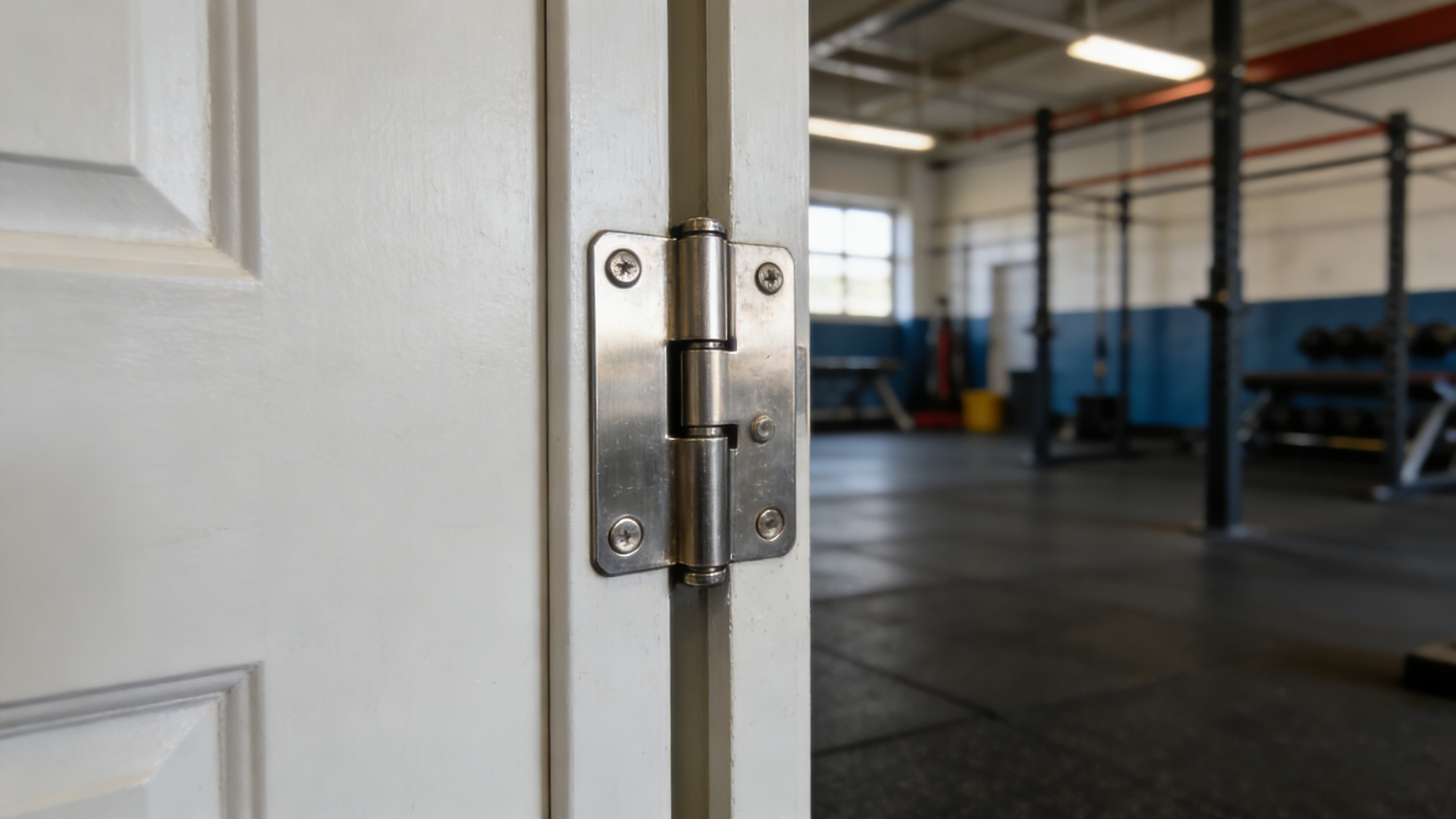
When asking what hinges to use for exterior doors, the conversation almost always starts with materials. The material dictates the hinge's strength and its resistance to the elements.
For almost any exterior application, stainless steel is the superior choice. Specifically, grades 304 and 316 are the industry standards.
SUS 304:This is the most common grade for high-quality exterior hardware. It offers excellent resistance to rust and corrosion in typical environments.
SUS 316:Often called "marine grade," this steel contains molybdenum, which drastically increases corrosion resistance. This is mandatory for buildings near the ocean or in areas with high pollution.
D&D Hardware specializes in stainless steel hinges that meet ANSI Grade 1 standards. This ensures that the hinge doesn't just look good when installed but maintains its structural integrity after hundreds of thousands of cycles.
Solid brass is rust-proof and highly decorative, often found in heritage homes. However, brass is a softer metal than steel. For heavy commercial doors, solid brass may wear down faster at the pivot points unless it is engineered with steel reinforcements.
You will often see "Oil Rubbed Bronze" or "Satin Nickel" finishes. If the base metal underneath is standard carbon steel, these are generally not recommended for exterior use unless they are galvanized. Once the finish scratches, the steel underneath will rust.

To visualize why you cannot simply swap an interior hinge for an exterior one, examine the differences in requirements below:
Feature | Interior Door Hinges | Exterior Door Hinges |
|---|---|---|
Primary Material | Plain Steel, Aluminum | Stainless Steel (304/316), Solid Brass |
Pin Type | Removable Pin (standard) | Non-Removable Pin (NRP) for security |
Load Capacity | Standard / Lightweight | Heavy Duty / Ball Bearing |
Weather Resistance | Low | High (Must resist rust/oxidation) |
Security Rating | Minimal | ANSI/BHMA Grade 1 High Security |
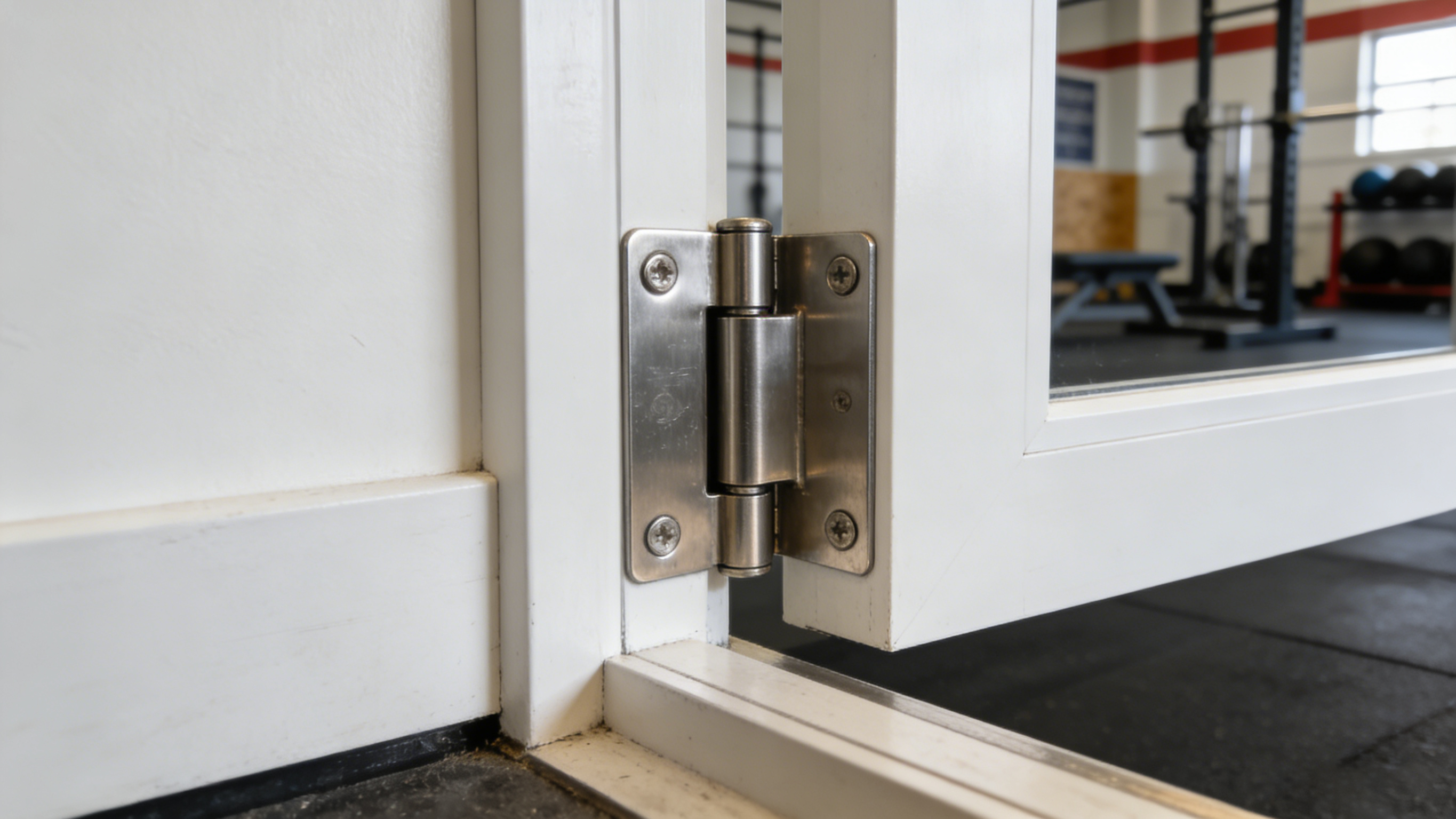
D&D Door Hinge Certification:
️✔ CE Door Hinge - BS EN1935 200,000 cycles test, EN1634 Fire Rated 192mins/260mins, EN1670 Corrosion Resistance 240 hours.
️✔ UL Door Hinge - UL/cUL Listed, UL 10C Fire Rated 3 Hours, File No.R38013
✔ BHMA Door Hinge - ANSI/BHMA 156.1 and ANSI/BHMA 156.18
✔ ANSI Door Hinge - ANSI Grade 1 2,500,000 cycles test, ANSI Grade 2 1,500,000 cycles test
✔ CE Concealed Hinge-BS EN1935 200,000 cycles test, EN1634 Fire Rated 132mins, EN1670 Corrosion Resistance 48 hours.
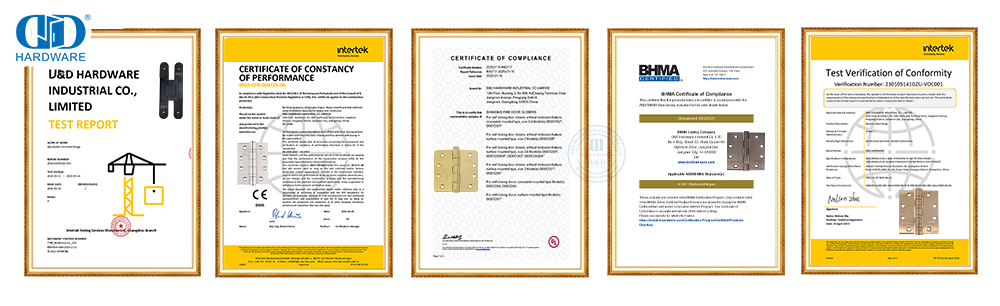
Security is the primary differentiator between a hinge that holds a door and a hinge that protects a building.
In many commercial and residential designs, the door opens outward (especially for fire safety). This exposes the hinge barrel to the outside. If a standard hinge is used, an intruder can simply pop the pin out with a screwdriver and remove the door, bypassing the lock entirely. Exterior hinges must feature Non-Removable Pins (NRP). These pins have a set screw that is only accessible when the door is open, making it impossible to disassemble the hinge from the outside.
While not strictly a "security" feature, ball bearings are vital for the integrity of the door system. Exterior doors are heavy. Standard plain-bearing hinges grind metal-on-metal, eventually wearing down and producing a fine metal dust (black dust) around the knuckle. This wear causes the door to drop, meaning the deadbolt no longer aligns with the strike plate. Ball-bearing hinges place a lubricated bearing between the knuckles, allowing heavy doors to glide silently and preventing the sagging that compromises locks.
Different buildings have different stress factors. Here is a breakdown of what hinges to use based on specific high-traffic venues.
Training centers, universities, and schools represent a unique challenge: high frequency and potential abuse. Doors in these facilities are opened and closed thousands of times a week, often with force.
For a training center, you need a Heavy-Duty Ball Bearing Hinge (ANSI/BHMA Grade 1).
Durability: Grade 1 hinges are tested to withstand millions of cycles.
Material: Stainless steel is preferred to handle the cleaning chemicals often used in educational facilities.
Fire Rating: Most training centers require fire-rated doors. You must ensure the hinge carries a UL certification (like those from D&D Hardware) to ensure it complies with fire safety codes. Using uncertified hardware in a public training center can lead to failed fire inspections.
1
Airports are perhaps the most demanding environment for door hardware. They combine extreme foot traffic with rigorous security protocols and, in many cases, large architectural doors that are exceptionally heavy.
For an airport, the ideal choice is a Heavy-Duty Stainless Steel Hinge with 4 Ball Bearings.
Load Capacity: Airport doors are often oversized or made of heavy glass/steel. A standard 2-ball bearing hinge may not suffice. A 4-ball bearing hinge distributes the weight more evenly.
Corrosion Resistance: Many airports use harsh cleaning agents, and coastal airports face salt air. SUS 316 stainless steel is often the requirement here.
Security: Security is paramount. Hinges used in secure zones must have NRP features and be tamper-proof.
Maintenance: In a 24/7 facility, you cannot afford downtime for repairs. High-quality, maintenance-free hinges are an operational necessity.
If you are sourcing hardware for a project, looking at the specifications on paper isn't enough. You need to verify the manufacturing standards.
Look for International Certifications
A hinge is only as good as its testing. D&D Hardware Industrial Co., Ltd., for example, holds certifications for CE, UL, ANSI, and BHMA. These aren't just badges; they are proof that the hinge has been subjected to fire and physical stress tests. For commercial projects, using non-certified hardware is a significant risk.
Check the Manufacturing Experience
Sourcing directly from manufacturers with OEM experience can save costs without sacrificing quality. A factory with a long history (such as D&D's 17 years of experience) will have refined its production processes to eliminate defects.
Verify the Specs
Ensure the hinge thickness meets the door weight requirements. A standard residential hinge is often 2.0mm to 2.5mm thick. Commercial exterior hinges should generally be 3.0mm to 4.6mm thick to prevent bending under load.
Selecting the right exterior door hinge is a balance of material science and mechanical engineering. By prioritizing stainless steel for weather resistance, ball bearings for load management, and security features like non-removable pins, you ensure the safety and functionality of the building entrance.
Whether you are specifying hardware for a busy training center, a high-security airport, or a private residence, the goal remains the same: fit it and forget it. High-quality hinges from reputable manufacturers like D&D Hardware allow you to do exactly that, providing peace of mind that the door will operate smoothly and securely for years.
If you are currently planning a project and need guidance on the specific load ratings or fire certifications required for your exterior doors, reaching out to a certified manufacturer is the best next step.
Click here for additional details on door hinges.
Now contact us.
Contact information for David Jian
Contact number: 0086-139 2903 7292
Email address: sales@danddhardware.com


