
Certified for Safety. Trusted by Leaders Worldwide.
Pls inquire to sales@danddhardware.com
\\: +86 139 2903 7292

 English
 Author: D&D Hardware Publish Time: 2026-01-07 Origin: D&D HARDWARE


Have you ever walked into a room and felt like the door was working against you? Perhaps it opens into a cramped hallway, blocking traffic, or maybe it swings inward when an outward swing would better suit your patio layout. Changing the swing of a door is a common renovation request that can drastically improve the flow and functionality of a building.
However, flipping an exterior door is not as simple as swapping the hinges to the other side. Unlike interior doors, exterior doors rely on weatherstripping, thresholds, and specific security measures that make the process more involved. Whether you are a facility manager looking to upgrade a campus or a homeowner tackling a renovation, understanding the mechanics of exterior door hinges is the first step to success.
Before picking up a screwdriver, it is helpful to understand the "why." Most residential exterior doors swing inward (inswing) to protect the hinges from the elements and potential intruders. However, there are valid reasons to reverse this:
Space Saving: In small entryways, an inswing door can take up valuable floor space.
Safety and Egress: In public buildings, doors must often swing outward (in the direction of exit travel) to comply with fire codes. This is crucial for schools and commercial properties.
Weather Resistance: In areas with high winds, an outswing door can actually seal tighter against the threshold when the wind blows against it.

1
Technically, yes, but it is labor-intensive. The challenge lies in the door jambs (the vertical sides of the frame). The jambs are routed (carved out) to accept the hinges on one side and the strike plate for the latch on the other. To reverse the swing, you essentially have to reverse these cutouts.
If you are dealing with a simple renovation, you might find it easier to purchase a pre-hung door that already swings in your desired direction. However, for high-quality solid doors or historical renovations where keeping the original slab is preferred, you can modify the existing setup by following these steps:
Remove the Door and Hardware: Take the door off its hinges and remove the locksets and strike plates.
Fill the Old Mortises: The shallow cuts where the hinges utilized to sit need to be filled. You can use wood fillers or glue in pieces of wood to create a flush surface, then sand it smooth and repaint.
Cut New Mortises: Measure precisely where the new hinges will go on the opposite jamb and on the door itself. You will need a chisel and a hammer, or a router, to cut these recesses.
Flip the Lockset: The hole for the door handle and deadbolt might need adjustment depending on the door’s bevel.
Install Weatherstripping: Ensure the weather seal is moved to the appropriate side to keep the elements out.
1
When you change an exterior door to swing outward, the barrel of the hinge becomes exposed to the outside. This presents a significant security risk. If a standard hinge is used, an intruder could simply pop the pin out of the hinge barrel and remove the door, bypassing the lock entirely.
To prevent this, you must use exterior door hinges with security features. Look for hinges with:
NRP (Non-Removable Pins): These have a set screw that prevents the pin from being removed when the door is closed.
Security Studs: These are integrated studs that lock the two leaves of the hinge together when closed, so the door cannot be removed even if the pin is cut.

If you are managing facilities for higher education, the requirements change drastically compared to a residential home. A door hinge for University classrooms or a door hinge for College dormitories faces relentless abuse. Thousands of students pass through these doors annually, often kicking them open or leaning on them.
For these environments, standard residential hinges will fail quickly. You need hardware that is certified for durability and fire safety.
When sourcing hardware for institutions, you should look for specific certifications. Below is a comparison of standards you might encounter when shopping for high-grade hinges.
Feature | ANSI/BHMA Grade 1 | CE Marked / EN 1935 | Standard Residential |
|---|---|---|---|
Durability Cycles | 2,500,000+ cycles | 200,000+ cycles (Grade 13/14) | ~200,000 cycles |
Load Bearing | Heavy / Extra Heavy Duty | High Load Capacity | Light / Medium Duty |
Fire Rating | Often UL 10C (3 hours) | EN 1634 (up to 4 hours) | Usually not rated |
Material | Stainless Steel | Stainless Steel | Steel / Zinc |
Typical Use | Universities, Hospitals, Public Buildings | Commercial & Public Buildings (EU) | Home Interiors |
For a door hinge for University lecture halls, an ANSI Grade 1 hinge is the gold standard. It ensures the door won't sag after a semester of heavy use. Similarly, a door hinge for College labs or student housing should prioritize fire ratings (like UL 10C) to ensure student safety in the event of an emergency.
Finding reliable hardware that meets these rigorous international standards can be challenging without going through expensive middlemen. D&D HARDWARE INDUSTRIAL Co., Ltd. is a professional manufacturer based in China that specializes in bridging this gap.
With over 17 years of experience, D&D Hardware focuses on providing "Famous Branded Quality at Factory Cost." They don't just produce generic parts; they manufacture hardware that meets strict ANSI/BHMA, UL, and CE standards.
Whether you need a heavy-duty stainless steel hinge for a coastal university campus or a fire-rated hinge for a commercial high-rise, D&D Hardware offers a comprehensive range of solutions, including:
Door Hinges: CE, ANSI, BHMA and UL certified models suitable for fire-rated metal and wooden doors.
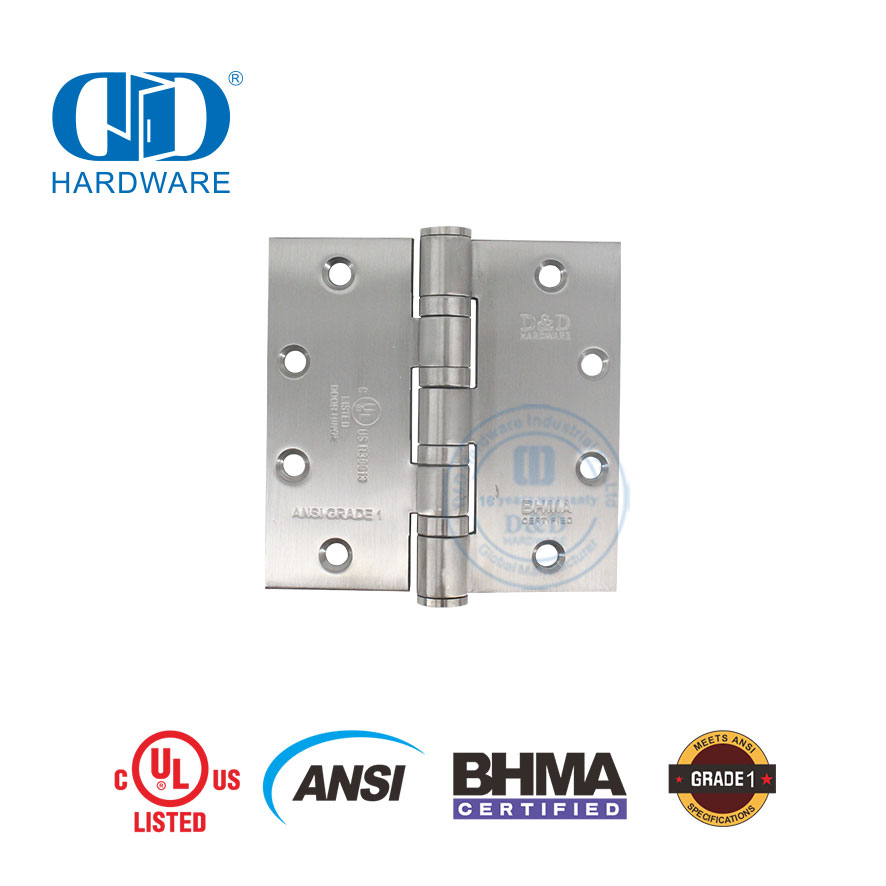
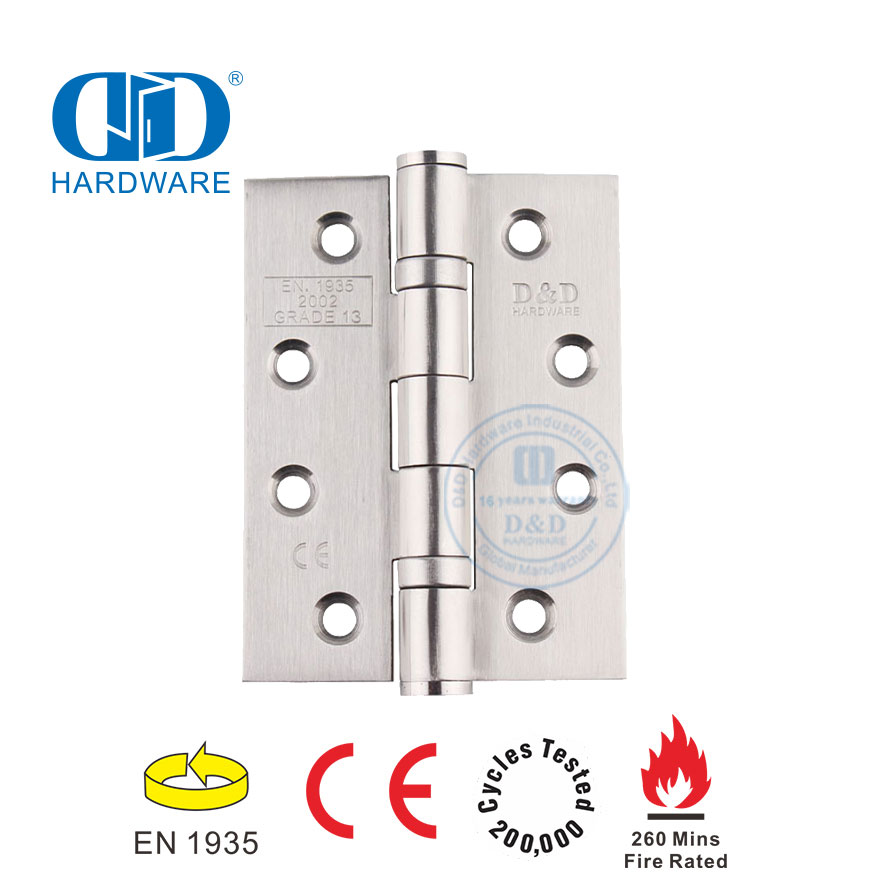
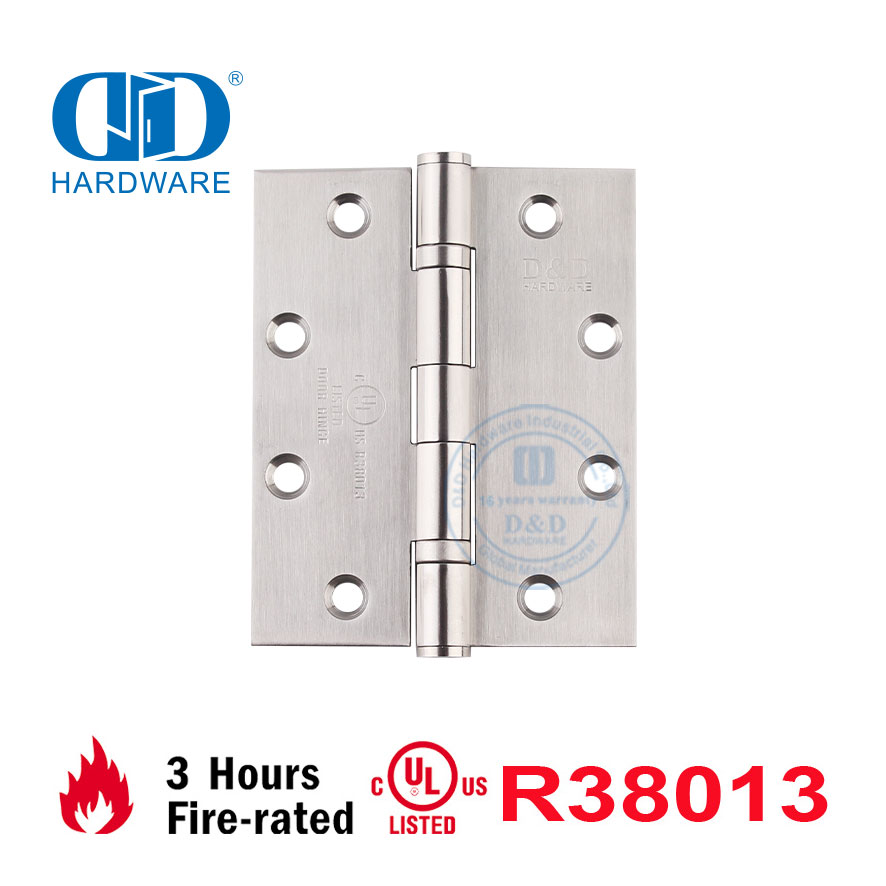
Door Locks: Mortise locks meeting EN12209/UL Listed standards.
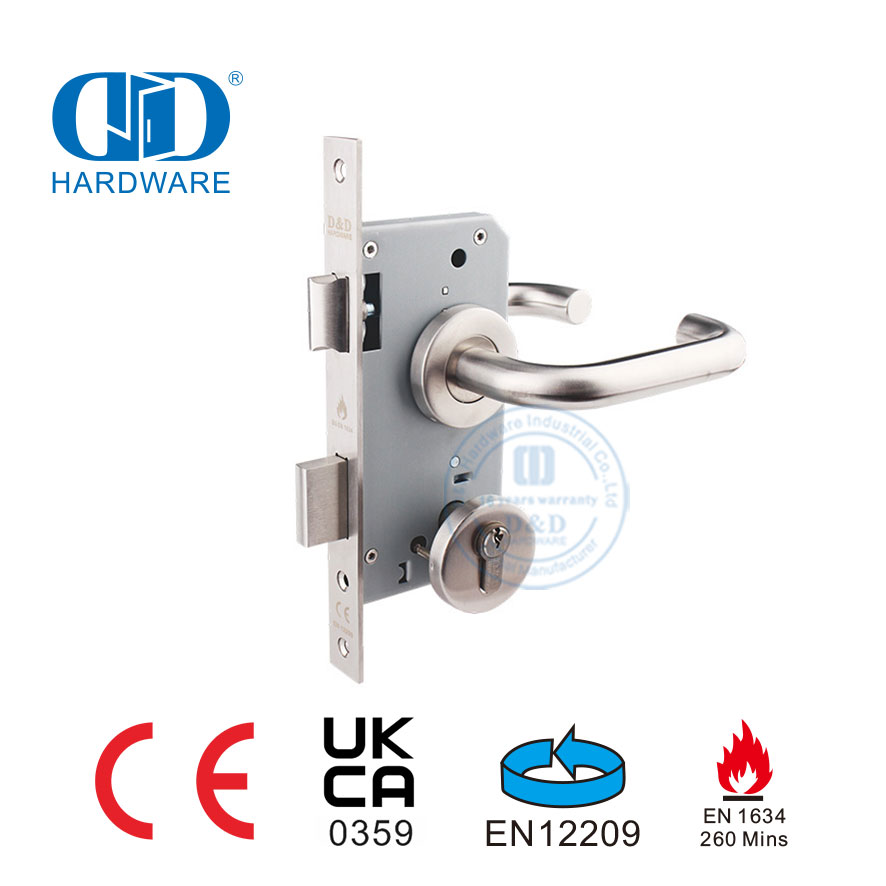
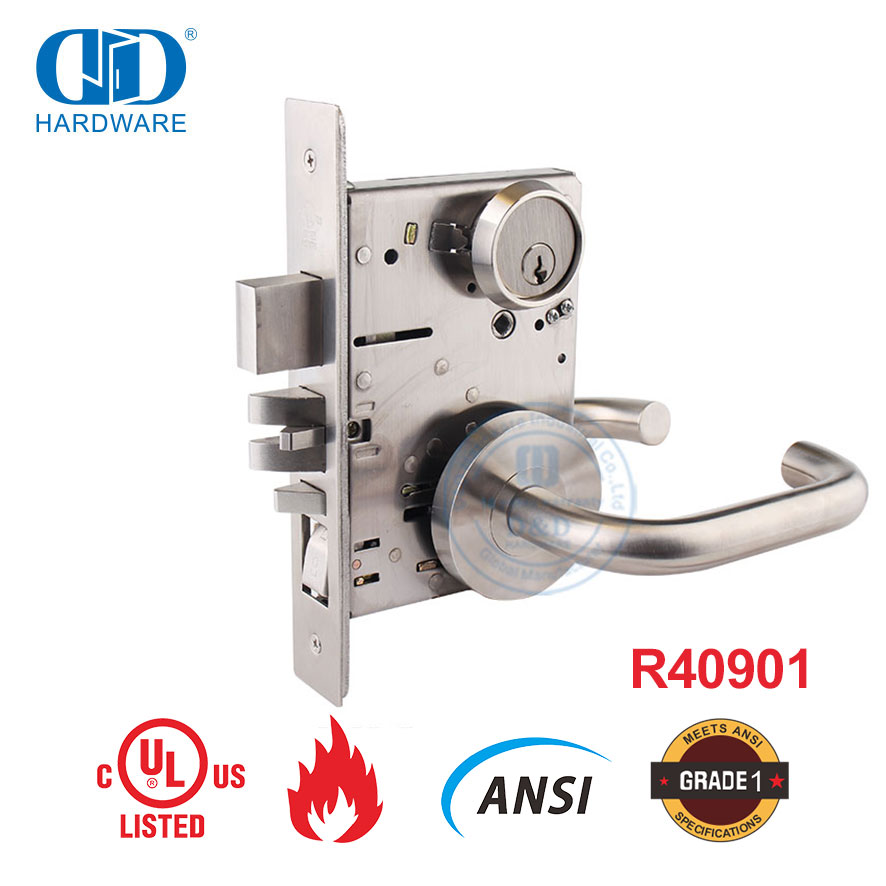
Panic Exit Devices: Essential safety gear for educational and public buildings.
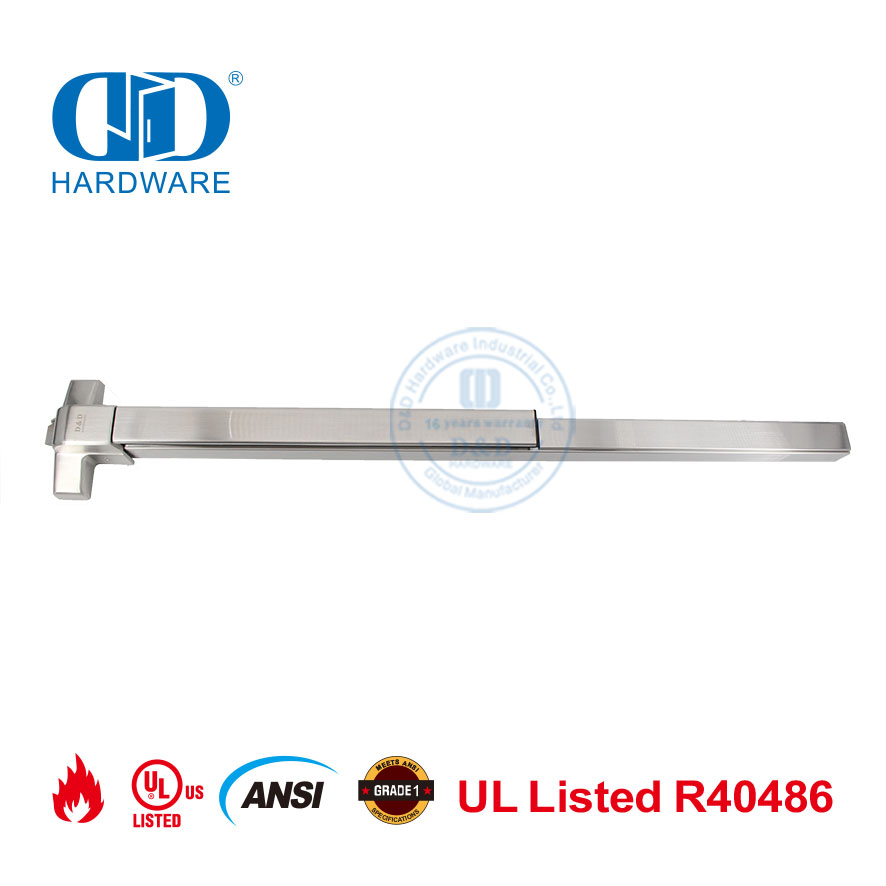
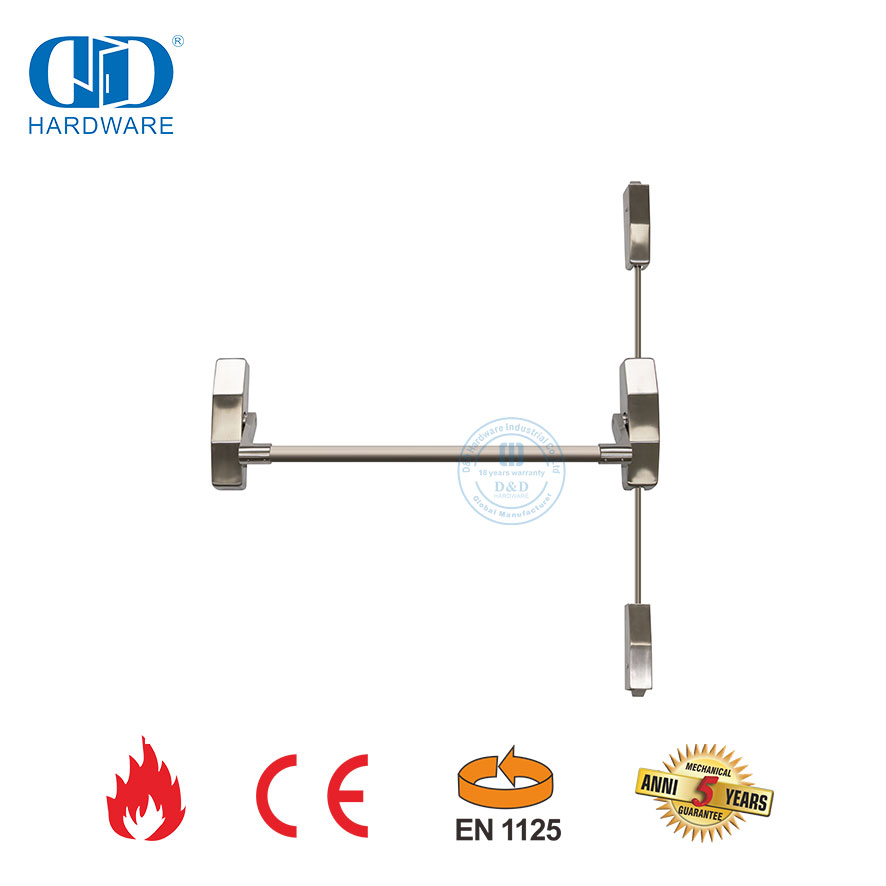
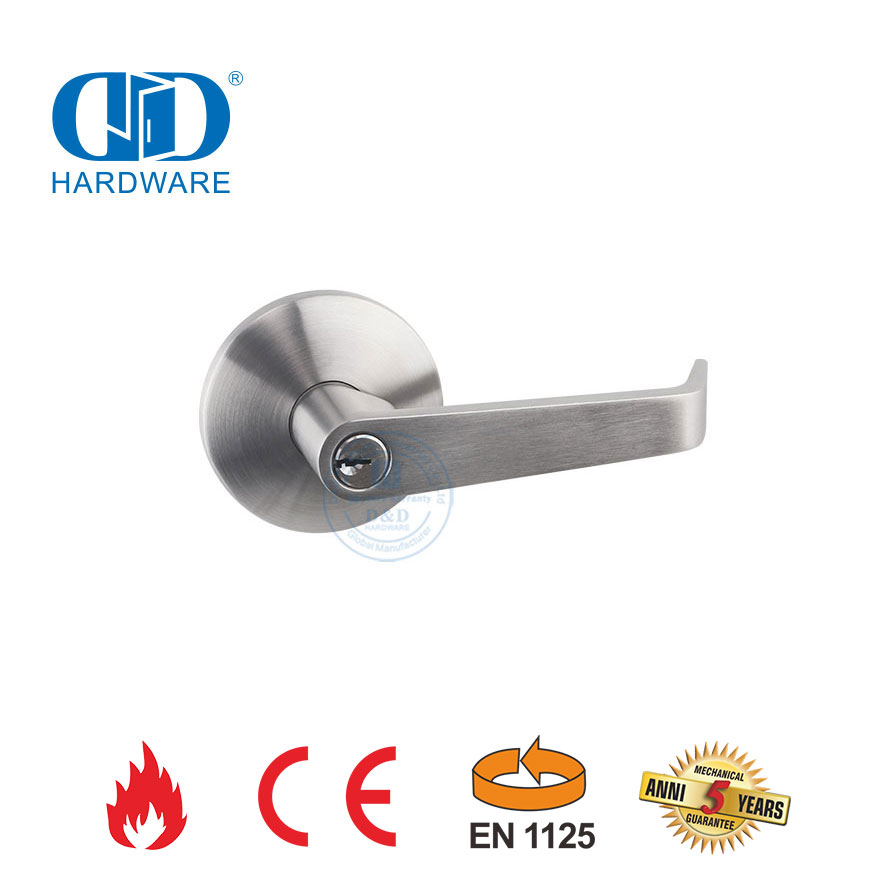
Their capability to provide a "Whole Set Solution" means you can source the hinges, locks, and door closers from a single, certified factory, ensuring compatibility and quality across your project.
If you are doing it yourself, the cost is minimal—mostly the price of wood filler, paint, and potentially new hinges. However, if you hire a carpenter, labor costs can be significant because measuring and cutting new mortises is precision work.
If you are just reversing the swing (e.g., left-hand inswing to right-hand inswing), you might be able to reuse them. However, if you are changing from inswing to outswing on an exterior door, you must replace them with security hinges (NRP) to maintain the safety of the building.
Not necessarily. Skilled carpenters can patch the old hinge locations ("dutchman" patch) and cut new ones. However, if the frame is old or rotting, it is often more cost-effective to rip it out and install a new pre-hung door unit.
Changing the direction an exterior door hinges is a powerful way to improve the functionality and flow of a space, but it requires careful planning regarding security and hardware quality. Whether you are fixing a single residential entry or specifying a door hinge for University expansion projects, the quality of the hardware matters.
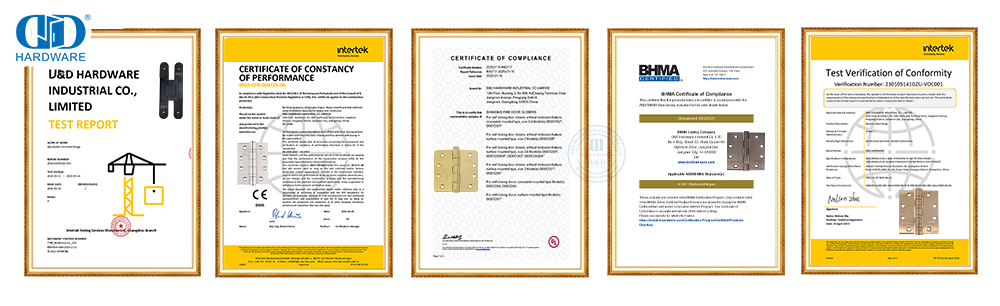
D&D Door Hinge Certification:
️✔ CE Door Hinge - BS EN1935 200,000 cycles test, EN1634 Fire Rated 192mins/260mins, EN1670 Corrosion Resistance 240 hours.
️✔ UL Door Hinge - UL/cUL Listed, UL 10C Fire Rated 3 Hours, File No.R38013
✔ BHMA Door Hinge - ANSI/BHMA 156.1 and ANSI/BHMA 156.18
✔ ANSI Door Hinge - ANSI Grade 1 2,500,000 cycles test, ANSI Grade 2 1,500,000 cycles test
✔ CE Concealed Hinge-BS EN1935 200,000 cycles test, EN1634 Fire Rated 132mins, EN1670 Corrosion Resistance 48 hours.
Ensure your renovation meets safety codes by choosing fire-rated and security-ready hinges. For those looking for certified durability without the premium markup, D&D HARDWARE INDUSTRIAL Co., Ltd. stands out as a reliable partner for high-quality architectural hardware.
For more information on their product range or to inquire about specific project needs, you can visit their website or contact their team directly to find the perfect solution for your doors.
Click here for additional details on door hinges.
Now contact us.
Contact information for David Jian
Contact number: 0086-139 2903 7292
Email address: sales@danddhardware.com


