
Certified for Safety. Trusted by Leaders Worldwide.
Pls inquire to sales@danddhardware.com
\\: +86 139 2903 7292

 English
 Author: D&D Hardware Publish Time: 2026-01-04 Origin: D&D HARDWARE


Table of Contents
1.Understanding Door Hinge Basics
2.Can Exterior Hinges Be Rotated? The Short Answer
3.Key Considerations for Commercial Spaces
4.Step-by-Step: Assessing and Rotating Hinges
5.Alternatives to Rotating Hinges
6.Conclusion: Best Practices for High-Traffic Entrances
Before addressing rotation, it’s essential to understand the common types of hinges used on exterior commercial doors. In settings like supermarkets and malls, doors face immense stress from constant use, weather, and security needs.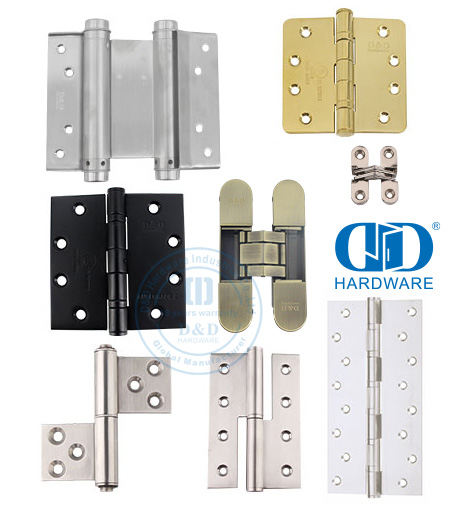
| Hinge Type | Common Use | Can It Be Rotated? |
|---|---|---|
| Butt Hinge | Standard exterior/interior doors | Often, yes |
| Continuous/Piano Hinge | Full-length door support (e.g., some security doors) | Rarely |
| Heavy-Duty Ball Bearing | High-traffic commercial entrances | Sometimes, depending on design |
| Security Hinge (non-removable pin) | External doors where security is a priority | Usually not without specialist tools |
| Spring Hinge | Doors that must self-close (common in malls) | Seldom; affects spring mechanism |
Hinges consist of two leaves joined by a pin. Rotation typically refers to swapping the hinge’s orientation—for example, moving it from the right side of the door to the left, or changing its handedness (in-swing vs. out-swing).
Yes, in many cases, exterior door hinges can be rotated or reversed, but it is not a universal rule. Whether you should rotate them depends on several technical and practical factors specific to commercial environments.
For a supermarket or mall, the decision hinges on (pun intended):
Door and Frame Material: Steel-framed commercial doors differ from wooden ones.
Hinge Design: Some heavy-duty hinges are handed (left-hand vs. right-hand) and cannot be simply flipped.
Wear Patterns: In high-traffic settings, hinges wear unevenly. Rotating them can sometimes extend life by using a fresh surface.
Security: Many exterior commercial hinges have non-removable pins or security features to prevent tampering. Rotating these requires professional servicing.

Commercial entrances have unique needs that affect hinge management:
Traffic Volume: Mall and supermarket doors cycle thousands of times weekly. Hinges are under constant strain. Rotating a worn hinge might temporarily redistribute wear but won't fix underlying fatigue.
Weather and Climate: Exterior hinges must resist corrosion. Disassembling them for rotation can compromise weather seals or lubricants, leading to squeaking or seizing.
Building Codes and Safety: Doors must meet fire egress and accessibility standards (like ADA). Changing the swing direction via hinge rotation might violate these codes. Always consult with facilities management or a professional before altering door swing.
Security Protocols: Exterior hinges are often part of a building’s security system. Tamper-resistant designs are intentional. Altering them may void warranties or insurance requirements.
1
If, after consideration, hinge rotation is deemed appropriate (e.g., to correct sagging or change swing for operational reasons), follow this general guide. For critical commercial doors, hiring a professional door technician is strongly recommended.
Assess the Hinge: Determine if it’s a universal hinge (symmetrical leaves) or a handed hinge. Most commercial ball-bearing hinges are universal. Check for security pins or caps.
Remove the Door: Using a lift or multiple personnel, extract the hinge pins and safely remove the door. Commercial doors are extremely heavy.
Inspect for Wear: Examine the knuckles (the cylindrical parts) and pivot points for metal wear or deformation. If significant wear is present, replacement is better than rotation.
Rotate or Re-position: If the hinge leaves are symmetrical, you can often swap the top and bottom hinges to redistribute wear, or move the entire hinge assembly to the opposite side of the door/frame to change swing. This requires meticulous re-chiseling of new mortises—a job for a skilled carpenter.
Reinstall and Test: Rehang the door, ensuring it is perfectly plumb and swings smoothly without binding. Check latch engagement and closing action thoroughly.

1
For facility managers, rotating hinges is often a temporary fix. More robust solutions include:
Complete Hinge Replacement: Installing new, commercial-grade hinges is often more cost-effective in the long run, ensuring reliability and safety.
Upgrading Hinge Type: Consider switching to a higher-grade bearing hinge or a model with a lifetime lubricant for lower maintenance.
Installing Door Adjusters: Some commercial hinge systems allow for micro-adjustments (height, pressure, swing speed) without rehanging the entire door.
Implementing a Maintenance Schedule: Regular lubrication and inspection by staff can prevent issues before hinge rotation becomes a considered solution.
1
While the technical possibility of rotating exterior door hinges exists, for supermarkets and malls, the decision should lean heavily on professional advice and long-term reliability.
The core question should not be "Can we rotate these hinges?" but rather "What is the safest, most code-compliant, and most durable solution for this entrance?"
Prioritize safety, compliance, and uninterrupted operation. Proactive maintenance and timely replacement of high-wear components like hinges prevent door failures that could disrupt customer flow, compromise security, or create safety hazards. When in doubt, consult a commercial door specialist who understands the unique demands of your facility. The integrity of your entrances is a crucial part of your building’s function and security.
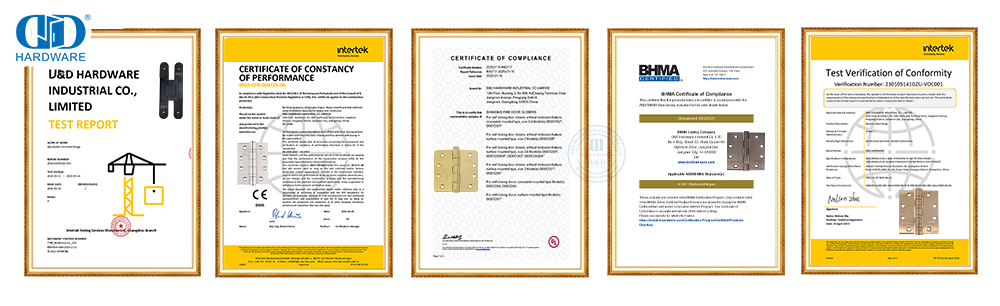
️✔ CE Door Hinge - BS EN1935 200,000 cycles test, EN1634 Fire Rated 192mins/260mins, EN1670 Corrosion Resistance 240 hours.
️✔ UL Door Hinge - UL/cUL Listed, UL 10C Fire Rated 3 Hours, File No.R38013
✔ BHMA Door Hinge - ANSI/BHMA 156.1 and ANSI/BHMA 156.18
✔ ANSI Door Hinge - ANSI Grade 1 2,500,000 cycles test, ANSI Grade 2 1,500,000 cycles test
✔ CE Concealed Hinge-BS EN1935 200,000 cycles test, EN1634 Fire Rated 132mins, EN1670 Corrosion Resistance 48 hours.
Click here for additional details on door hinges.
Now contact us.
Contact information for David Jian
Contact number: 0086-139 2903 7292
Email address: sales@danddhardware.com


