
Certified for Safety. Trusted by Leaders Worldwide.
Pls inquire to sales@danddhardware.com
\\: +86 139 2903 7292

 English
 Author: D and D Hardware Publish Time: 2026-01-05 Origin: D&D HARDWARE


There are few things more frustrating than a door that drags, squeaks, or refuses to close properly. When installing a solid core exterior door, the stakes are even higher. These doors are significant investments in security, insulation, and aesthetics, but they are also exceptionally heavy. The hardware you choose isn't just a detail—it's the backbone of the door's functionality.
So, the burning question for contractors, DIY enthusiasts, and facility managers alike is this: Does a solid core exterior door really need three hinges, or can you get away with two? The short answer is yes, you almost certainly need three hinges—and sometimes even four. However, the reasons behind this requirement go far beyond just "because that's how it's done."
This guide will break down the mechanics of door hardware, why solid core doors demand extra support, and how to choose the right hinges for high-traffic environments like shopping centers and malls.
To understand why three hinges are the standard, we first need to look at what makes a solid core door different. Unlike hollow core interior doors, which are lightweight and filled with cardboard honeycomb or plastic, solid core doors are constructed from wood, metal, or composite materials throughout.
This construction provides superior soundproofing, fire resistance, and security, but it comes with a major trade-off: weight. A standard hollow core door might weigh 25-30 pounds, whereas a solid core exterior door can easily weigh between 80 to 150 pounds or more.
Hinges act as the pivot point for the door, but they also bear the entire load of the slab. When a door is hung with insufficient support, gravity immediately goes to work.
Top Hinge Tension: The top hinge bears the brunt of the pulling force. It is constantly being pulled away from the jamb by the weight of the door.
Bottom Hinge Compression: The bottom hinge acts as a stabilizer, pushing against the jamb to keep the door upright.
The Middle Hinge Factor: A third hinge, placed centrally or slightly closer to the top hinge, distributes the load. It prevents the door from warping (bowing in the middle) and relieves significant stress from the top hinge.
1
If you rely on only two hinges for a heavy solid core door, the top hinge will eventually loosen, leading to "door sag." This causes the door to drag on the floor, stick in the frame, or fail to latch correctly, compromising both security and energy efficiency.
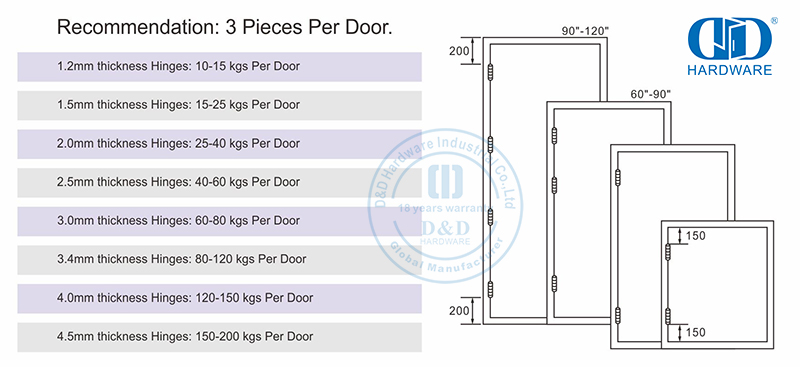
While three hinges are the general rule of thumb for standard exterior doors, the exact number depends on the height and weight of the door. Industry standards provide clear guidelines to ensure longevity and safety.
A simple way to determine the hinge count is by looking at the height of the door slab.
Door Height | Number of Hinges Required |
|---|---|
Up to 60 inches | 2 Hinges |
60 to 90 inches | 3 Hinges |
90 to 120 inches | 4 Hinges |
Most standard exterior entry doors are 80 inches (6'8") tall, placing them firmly in the "3 Hinges" category. However, in luxury homes or commercial settings like shopping centers, 8-foot (96-inch) doors are common. For these taller doors, a fourth hinge is not just a suggestion; it is a necessity to prevent the door from bowing over time.
Even if a door is standard height, extreme weight can dictate the need for more hinges or specific heavy-duty types.
Standard Weight (Up to 150 lbs): 3 standard ball-bearing hinges are usually sufficient.
Heavy Weight (150+ lbs): You may need 4 hinges or specialized heavy-duty ball-bearing hinges.
For industrial applications or extra-wide doors, always consult the manufacturer's specification sheet. Using under-rated hardware is a liability, especially in commercial spaces.

When we move from residential homes to high-traffic areas, the requirements change drastically. A door hinge for a shopping center or a door hinge for a shopping mall faces abuse that a residential door will never see.
Think about the main entrance of a mall. That door might be opened and closed thousands of times a day. Standard friction hinges will wear down rapidly, producing metal dust (a sign of grinding) and eventually failing.
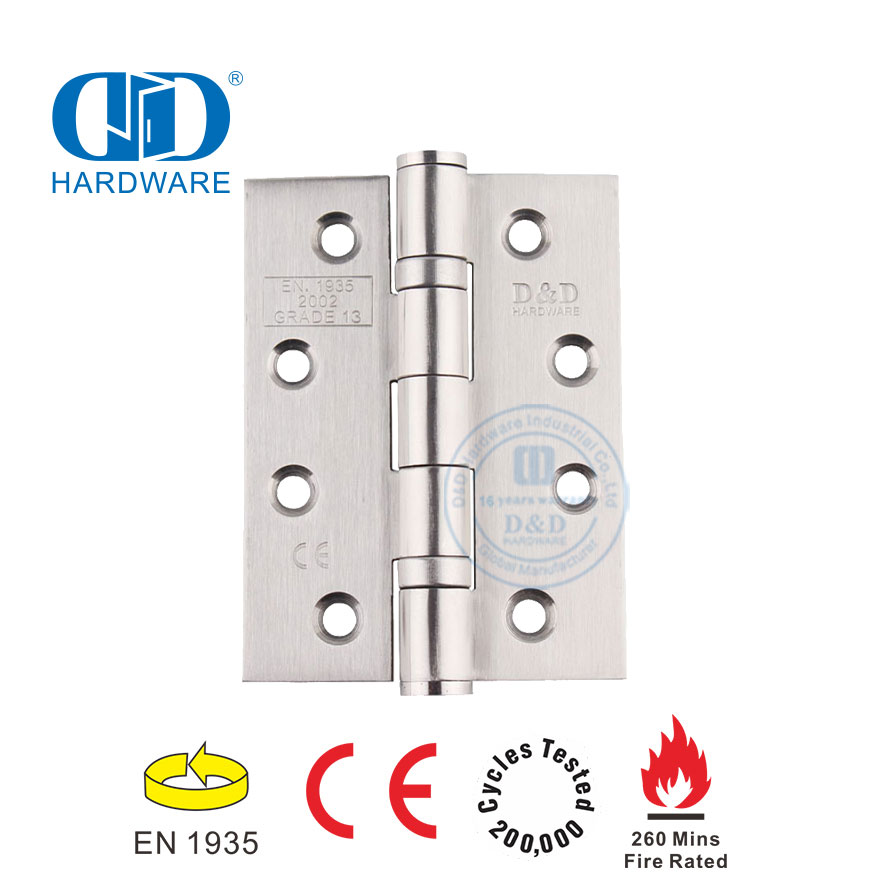
For these environments, ball-bearing hinges are non-negotiable. They contain lubricated bearings between the hinge knuckles, significantly reducing friction. This allows the heavy door to operate smoothly and quietly, even after years of constant use.
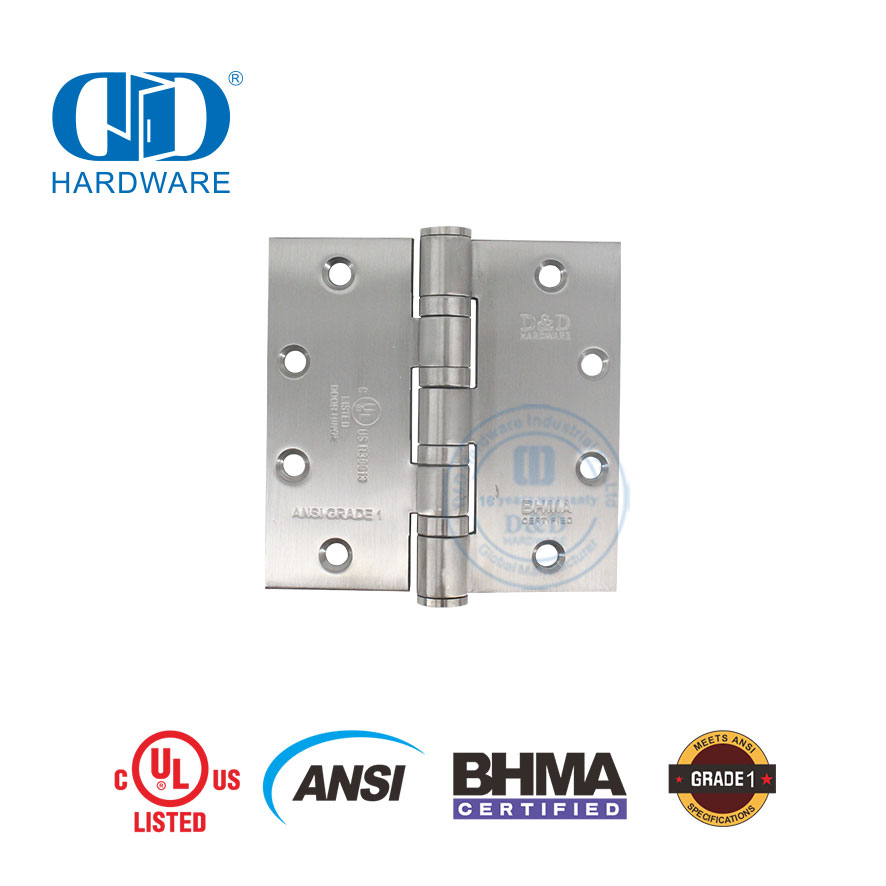
In commercial settings, exterior doors are the first line of defense. Security hinges often feature non-removable pins (NRP) so that intruders cannot simply pop the hinge pins out to remove the door. Furthermore, materials matter. Stainless steel hinges (often Grade 304 or 316) are preferred for exterior use because they resist corrosion from rain, humidity, and road salt.
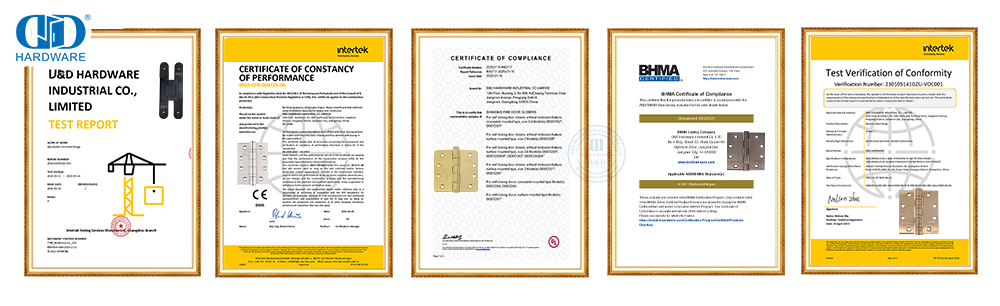
️✔ CE Door Hinge - BS EN1935 200,000 cycles test, EN1634 Fire Rated 192mins/260mins, EN1670 Corrosion Resistance 240 hours.
️✔ UL Door Hinge - UL/cUL Listed, UL 10C Fire Rated 3 Hours, File No.R38013
✔ BHMA Door Hinge - ANSI/BHMA 156.1 and ANSI/BHMA 156.18
✔ ANSI Door Hinge - ANSI Grade 1 2,500,000 cycles test, ANSI Grade 2 1,500,000 cycles test
✔ CE Concealed Hinge-BS EN1935 200,000 cycles test, EN1634 Fire Rated 132mins, EN1670 Corrosion Resistance 48 hours.
Choosing the right hinge involves more than just counting them; you must select the right material and mechanism.
Stainless Steel: The gold standard for exterior doors. It is rust-resistant and incredibly strong. For coastal areas or rigorous commercial environments, Grade 316 stainless steel is recommended.
Brass: A classic choice that looks beautiful but requires maintenance. Solid brass is durable, but plated brass on steel can rust if the plating is scratched.
Steel: Strong and affordable, but prone to rust if not galvanized or painted properly. Best suited for interior fire doors or climate-controlled environments.
1
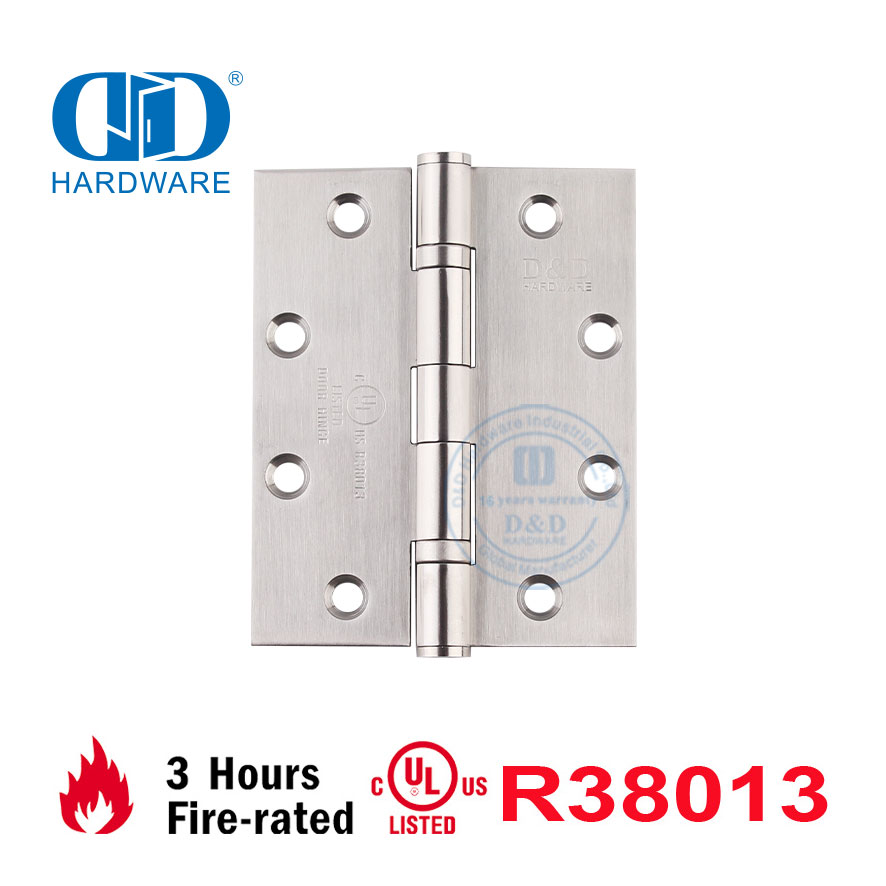
Butt Hinges: The most common type, mortised into the door and frame. For solid core doors, ensure they are heavy-duty commercial grade (ANSI/BHMA Grade 1).
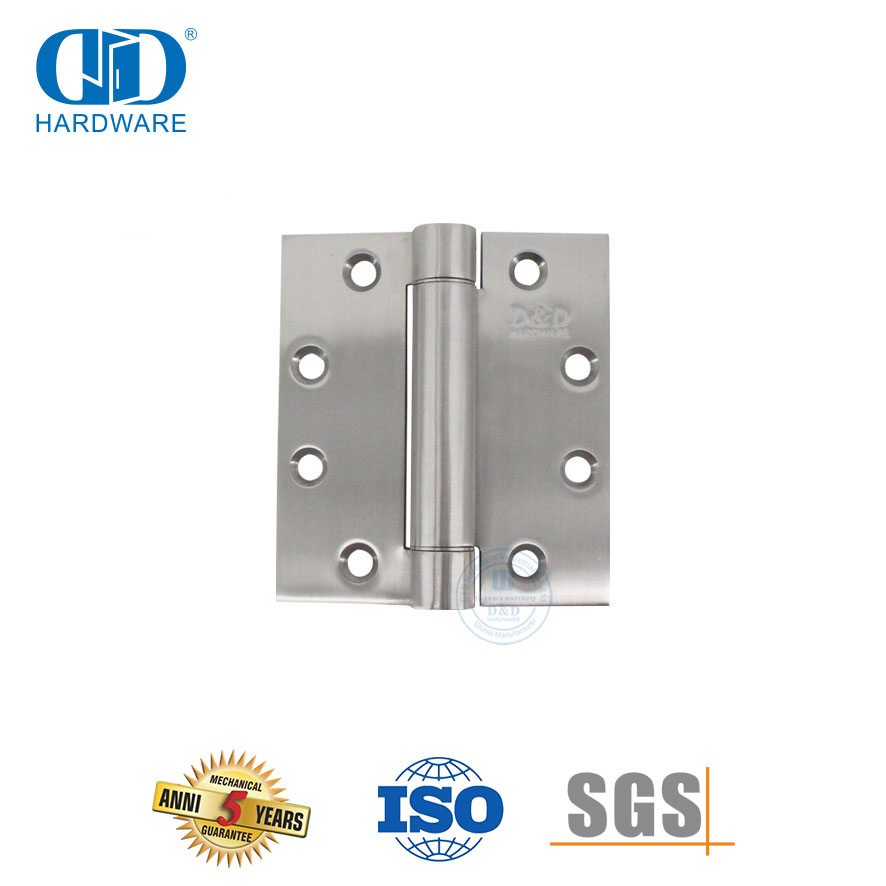
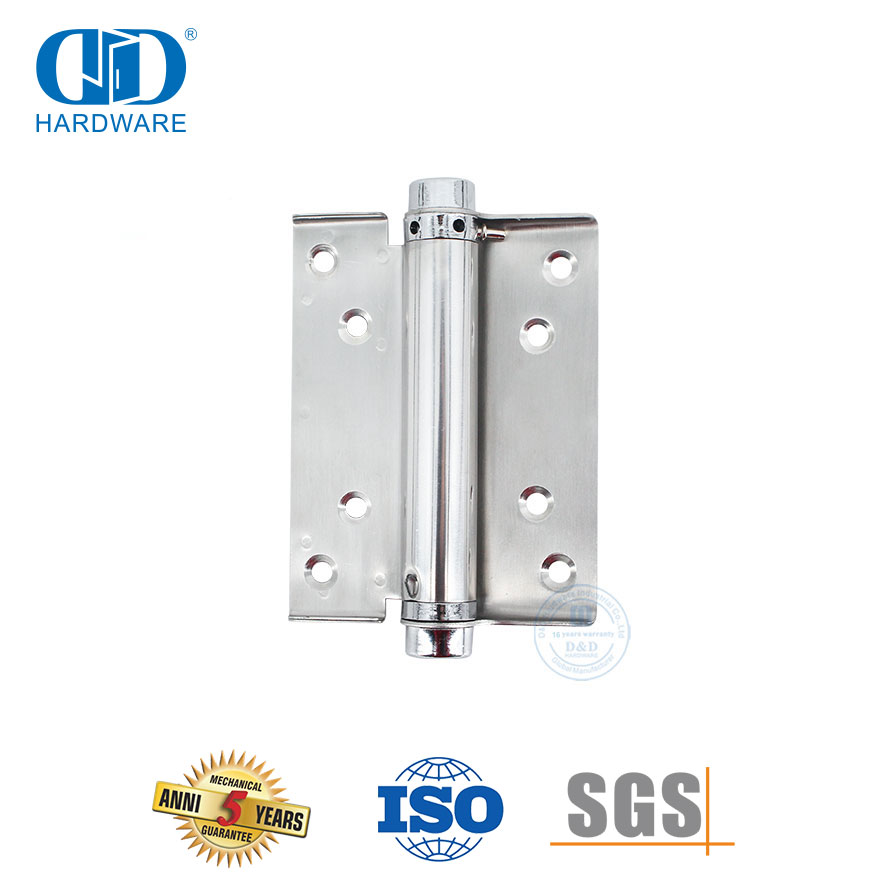
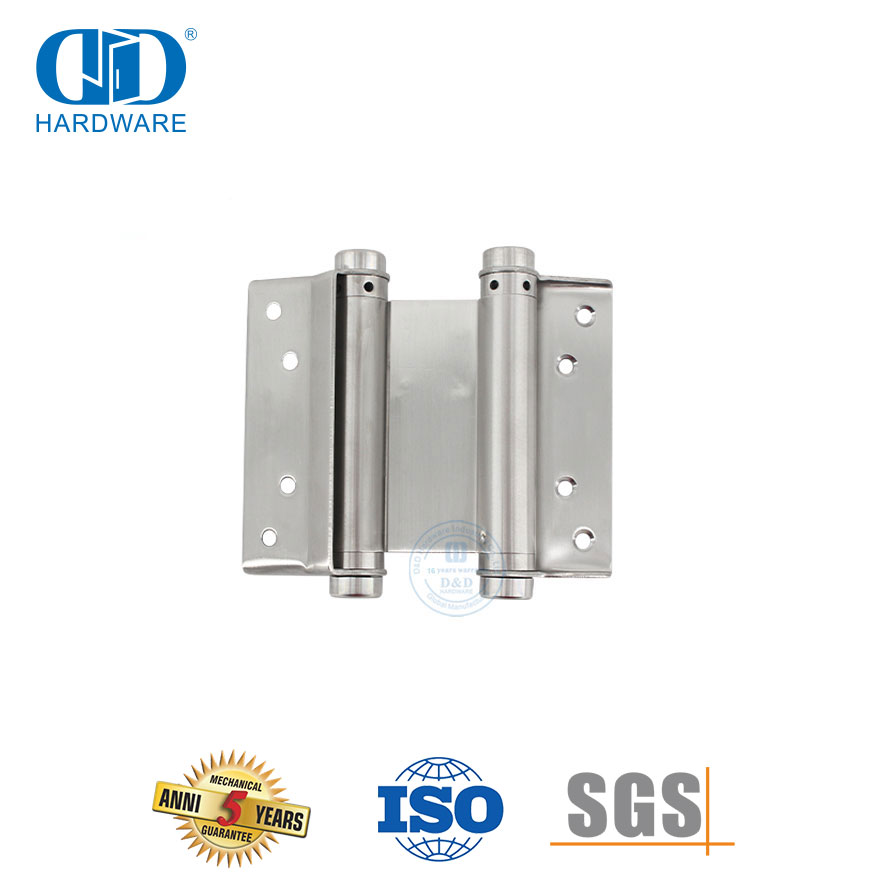
Spring Hinges: These are self-closing hinges often required by code for fire doors or garage entry doors. They ensure the door latches automatically behind the user.
Continuous (Piano) Hinges: Often seen on commercial aluminum storefront doors. This hinge runs the full length of the door, distributing weight evenly across the entire frame. This is an excellent solution for extremely heavy or high-abuse doors.

1
Even the best hinges will fail if installed incorrectly. Here are a few tips to ensure your solid core door operates perfectly for years to come.
Don't use the short screws that often come in the retail packaging. For a heavy solid core door, you need to anchor the top hinge (and preferably the others) into the structural stud of the wall, not just the door jamb. Use 3-inch screws for the top hinge to ensure it bites deep into the framing.
Standard spacing for a 3-hinge door is:
Top Hinge: 5 to 7 inches from the top of the door frame.
Bottom Hinge: 10 to 11 inches from the bottom of the finished floor.
Middle Hinge: Centered equally between the top and bottom hinges.
A heavy door will magnify any errors in the frame. If the frame isn't plumb (perfectly vertical), the door may swing open or closed on its own, known as "ghosting." Ensure your hinges are mortised flush with the wood surface to prevent binding.

So, does a solid core exterior door need 3 hinges? Absolutely. It provides the necessary support to handle the weight, prevents warping, ensuring a tight seal against the weather, and guarantees smooth operation. In fact, if your door is taller than standard or located in a high-traffic zone like a shopping mall, you should be considering four hinges or heavy-duty commercial grades.
Your exterior doors are critical components of your building's safety and efficiency. Don't cut corners on the hardware that holds them up.
Click here for additional details on door hinges.
Now contact us.
Contact information for David Jian
Contact number: 0086-139 2903 7292
Email address: sales@danddhardware.com


