
Certified for Safety. Trusted by Leaders Worldwide.
Pls inquire to sales@danddhardware.com
\\: +86 139 2903 7292

 English
 Author: D&D Hardware Publish Time: 2025-12-01 Origin: D&D HARDWARE


Slatted doors are a fantastic way to add a touch of modern, minimalist style to any space. They're great for pantries, laundry rooms, and closets because they provide ventilation while keeping the contents discreetly hidden. While traditional hinges are an option, using a concealed hinge (also known as a European hinge) elevates the look, creating a seamless, clean finish that puts the focus entirely on the door's design.
Installing a concealed hinge on a slatted door might seem tricky, but it's a project most DIY enthusiasts can tackle with the right tools and a bit of patience. This guide will walk you through the entire process, from selecting the right hinges to making the final adjustments. We'll provide clear, step-by-step instructions to ensure your slatted door not only looks great but functions perfectly.
Before we get started, let's quickly cover what a concealed hinge is and why it's a great choice. Unlike traditional butt hinges, which are visible on the outside of the door and frame, concealed hinges are completely hidden when the door is closed. They consist of two main parts: the hinge cup, which is installed into a recess in the door, and the mounting plate, which attaches to the cabinet frame.
There are different types of concealed hinges, primarily defined by how the door overlays the cabinet frame:
Full Overlay: The door completely covers the front edge of the cabinet. This is the most common type for a modern, seamless look.
Half Overlay: The door covers half of the cabinet's front edge, allowing two doors to be hung on a single central partition.
Inset: The door sits flush within the cabinet frame, making the front face of the door level with the cabinet front.
For most slatted door projects on a standard cabinet, a full overlay hinge is the ideal choice.

Gathering your tools and materials before you begin will make the process much smoother. Here’s a list of what you’ll need to install your concealed hinge.
Tools | Materials |
|---|---|
Tape measure | Concealed hinges (with screws) |
Pencil | Slatted door |
Drill or drill press | Cabinet or frame |
35mm Forstner bit | Scrap piece of wood (for testing) |
Combination square | Safety glasses |
Screwdriver | Clamps |
Awl or center punch (optional) |
A quick note on the 35mm Forstner bit: This is the most critical tool for this job. It's specifically designed to drill a clean, flat-bottomed hole, which is exactly what you need to fit the hinge cup. Most concealed hinges require a 35mm cup diameter, but always double-check the manufacturer's specifications for your specific hinge.

Proper planning is the key to success. The first step is to decide where you'll place the hinges on your door and cabinet.
For a standard-height cabinet door (up to 40 inches), two hinges are usually sufficient. For taller doors, you may need three or even four hinges to provide adequate support and prevent warping.
Mark the Hinge Centers: Lay your slatted door on a flat, stable surface. Measure and mark the center point for each hinge cup. A good rule of thumb is to place the center of the hinge 3 to 4 inches from the top and bottom of the door. If you're using a third hinge, place it exactly in the middle of the top and bottom hinges.
Mark the Setback: Now, you need to mark how far from the edge of the door the hole will be. This is called the "edge bore distance" or "setback." This distance is crucial and is determined by your hinge's specifications, but it's typically between 3mm and 6mm. Use a combination square to draw a straight line down the length of the door at your chosen setback distance. The intersection of this line and your horizontal center marks is where you will drill.
Important: The slats on your door can complicate this. You need to ensure the 35mm hole for the hinge cup will be drilled into a solid part of the door's frame or a sufficiently wide slat. If your slats are too narrow, the Forstner bit might break through the gaps. Ideally, your door's vertical stiles (the solid side pieces) should be wide enough to accommodate the hinge cup. If not, you may need to add a reinforcing block on the back of the door.
This is the most intimidating step for many, but with a steady hand, it's straightforward.
Practice First: If you're new to using a Forstner bit, practice on a piece of scrap wood first. This will help you get a feel for the drill's speed and the pressure needed.
Set the Depth: The hinge cup needs to sit flush in the hole. Measure the depth of your hinge cup (usually 11mm to 13mm). You can mark this depth on your Forstner bit with a piece of tape or use a drill stop collar for more accuracy. A drill press is excellent for this as you can set the exact depth.
Drill the Holes: Align the center point of your Forstner bit with the marks you made in the previous step. Clamp the door securely to your workbench. Begin drilling at a medium speed, keeping the drill perfectly perpendicular to the door's surface. Let the bit do the work; don't force it. Drill down until you reach your marked depth.
Clean Out the Holes: Use a vacuum or a brush to clear out any wood shavings from the newly drilled holes.
With the cups drilled, you can now install the hinges.
Insert the Hinge Cups: Place a concealed hinge into each hole. The flat part of the hinge arm should be perpendicular to the edge of the door.
Mark the Screw Holes: Once the hinge is seated, use a pencil or an awl to mark the positions for the mounting screws through the holes on the hinge.
Drill Pilot Holes: Remove the hinge and drill small pilot holes for the screws. This prevents the wood from splitting, which is especially important on the narrower stiles of a slatted door.
Secure the Hinges: Place the hinges back into the cups and fasten them securely with the provided screws.
Now it's time to work on the cabinet frame.
Determine Plate Position: The placement of the mounting plates must correspond exactly to the hinge locations on the door. Measure down from the top and up from the bottom of the cabinet opening to match the hinge centerlines you marked on the door.
Mark the Setback: The mounting plates also have a setback from the front edge of the cabinet. This distance varies depending on whether you have a framed or frameless cabinet. Consult your hinge instructions for the correct measurement. Use your combination square to mark this position.
Install the Plates: Align the mounting plates with your marks. Drill pilot holes and then screw the plates firmly into place.
This is the moment of truth. Most concealed hinges are a two-part system, which makes hanging the door incredibly easy.
Attach the Door: Hold the door up to the cabinet, aligning the hinge arms with the mounting plates. Slide the arms onto the plates and press down until you hear a "click." Some hinges have a screw-on mechanism instead of a clip-on one.
Check the Fit: Close the door and check its alignment. It’s normal for it to be slightly off at first.
Adjust the Hinges: The beauty of a concealed hinge is its adjustability. There are typically three screws on the hinge that allow for fine-tuning:
Side-to-Side (Horizontal): This screw moves the door left or right, adjusting the gap between the door and the cabinet side.
Up-and-Down (Vertical): This allows you to raise or lower the door to align it with other doors or the top of the cabinet.
In-and-Out (Depth): This screw moves the door closer to or further from the cabinet frame, ensuring it's flush when closed.
Patiently tweak these screws until the door hangs perfectly straight with even gaps all around.
By following these steps, you can successfully install a slatted door with a concealed hinge, achieving a professional and modern finish for your cabinetry. The key is careful measurement, using the right tools—especially that 35mm Forstner bit—and taking the time to make those final adjustments. Now, stand back and admire your handiwork. You've just given your space a stylish upgrade that is both functional and beautiful.
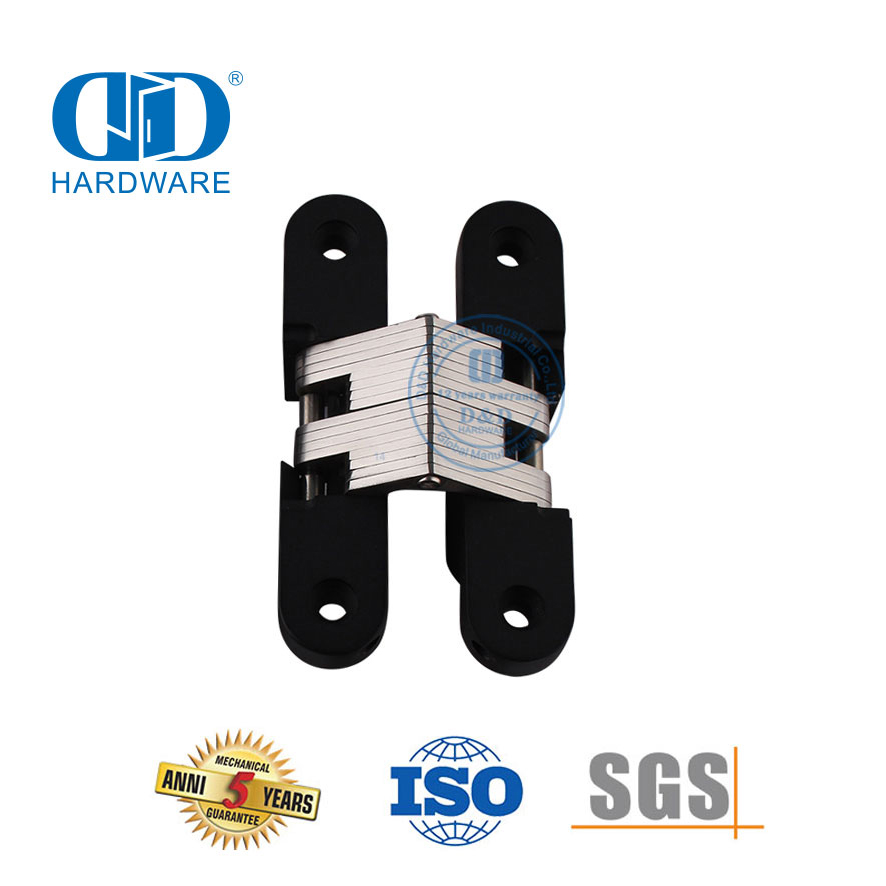
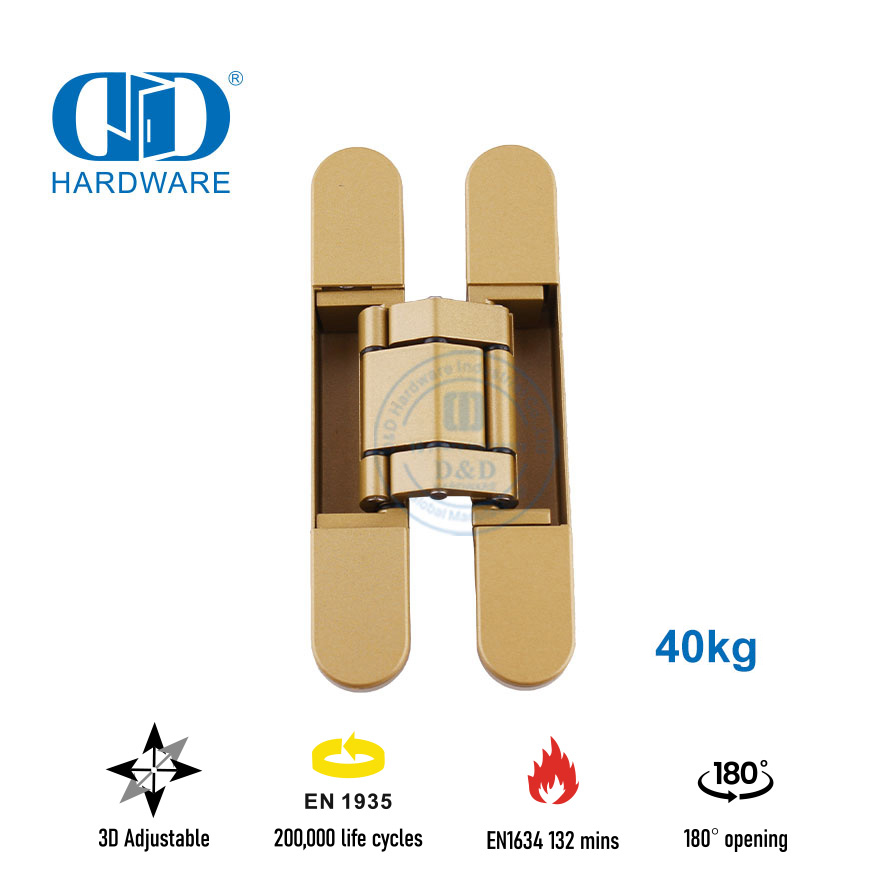
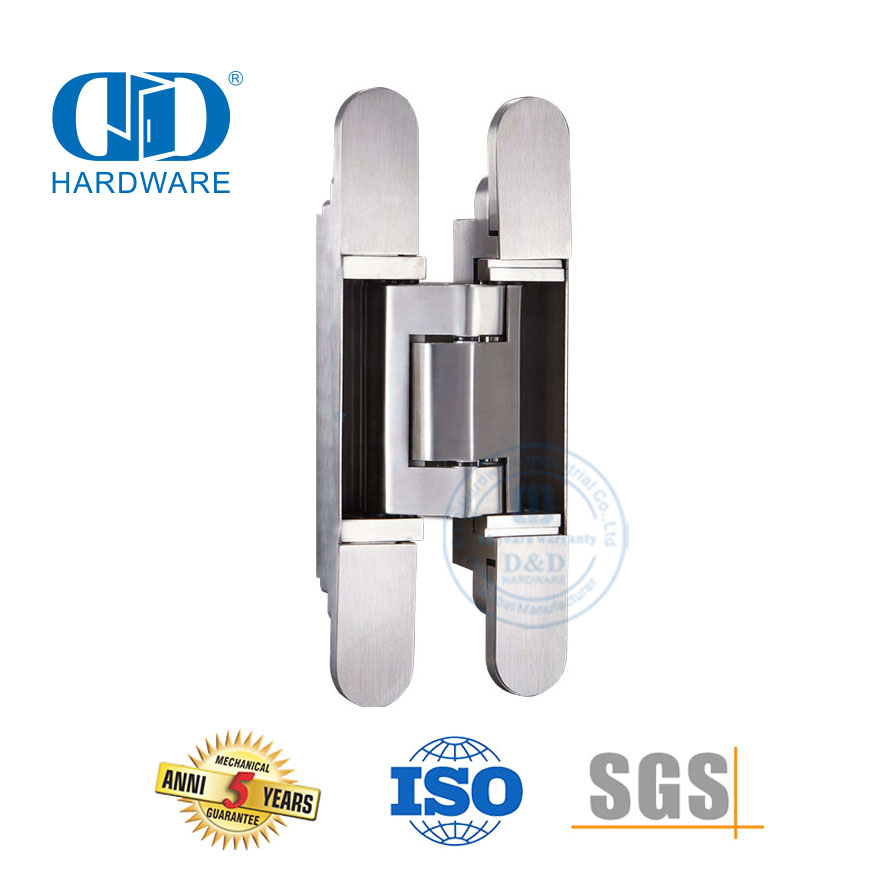
Click here for additional details on concealed door hinges.
Now contact us.
Contact information for David Jian
Contact number: 0086-139 2903 7292
Email address: sales@danddhardware.com


