
Certified for Safety. Trusted by Leaders Worldwide.
Pls inquire to sales@danddhardware.com
\\: +86 139 2903 7292

 English
 Author: D&D Hardware Publish Time: 2026-05-13 Origin: D&D HARDWARE


Every door requires reliable hardware to function smoothly and securely. Choosing the correct hinge might seem like a minor detail, but it directly impacts the longevity, safety, and operation of your entryways. A poorly selected hinge can lead to sagging, squeaking, and even compromised building security.
Understanding the differences between hardware designed for residential wood doors and those engineered for high-traffic commercial spaces ensures you make a smart investment. You need hardware that matches the material, weight, and usage frequency of the entryway.

This guide walks you through the essential factors to consider when outfitting your spaces. You will learn about various hinge styles, the benefits of self-closing mechanisms, and how to select the right components for steel, wood, and public building applications.

Wood doors remain a popular choice for both residential homes and commercial office spaces. Selecting a high-quality wooden door hinge ensures the door hangs correctly and operates without friction.
The most common hardware used for timber doors is the traditional butt hinge. These consist of two rectangular metal plates joined by a central pin. They provide sturdy support and sit flush against the door frame, creating a clean, traditional finish.


For a more modern and minimalist aesthetic, concealed or "hidden" hinges offer an excellent solution. Because the hardware remains entirely hidden when the door is closed, they provide a sleek appearance. They also offer enhanced security since the hinge pin cannot be tampered with from the outside of the room.

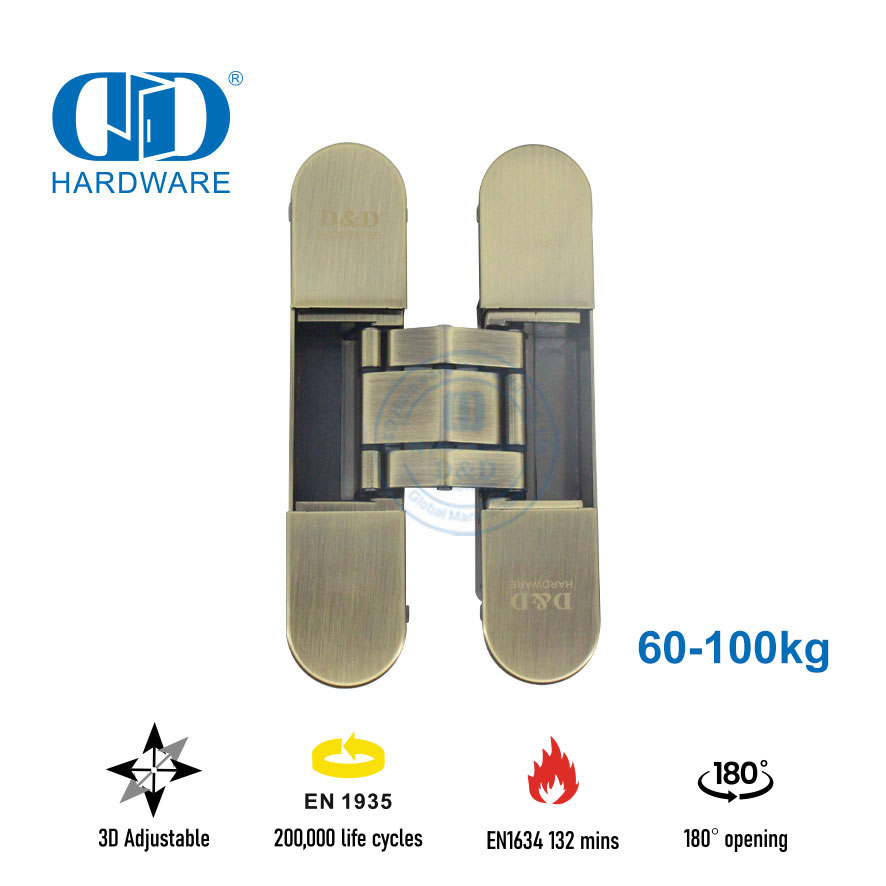
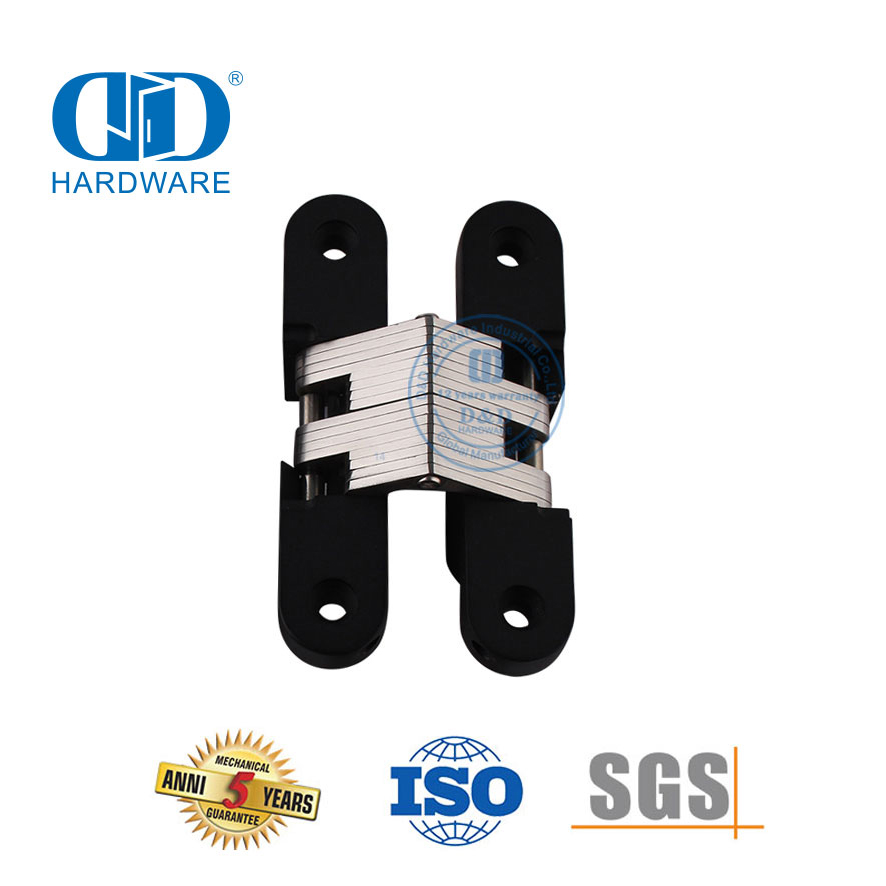
If you are working with a particularly wide or heavy timber door, pivot hinges distribute the weight at the top and bottom rather than along the vertical frame. This reduces stress on the door jamb and allows for smooth, effortless operation, making them popular for large architectural entryways.


Exterior doors demand robust hardware that can withstand the elements while maintaining property security. Self-closing hinges offer a practical and safe solution for these entryways. These specialized hinges feature an internal spring mechanism that automatically pulls the door shut after it has been opened.

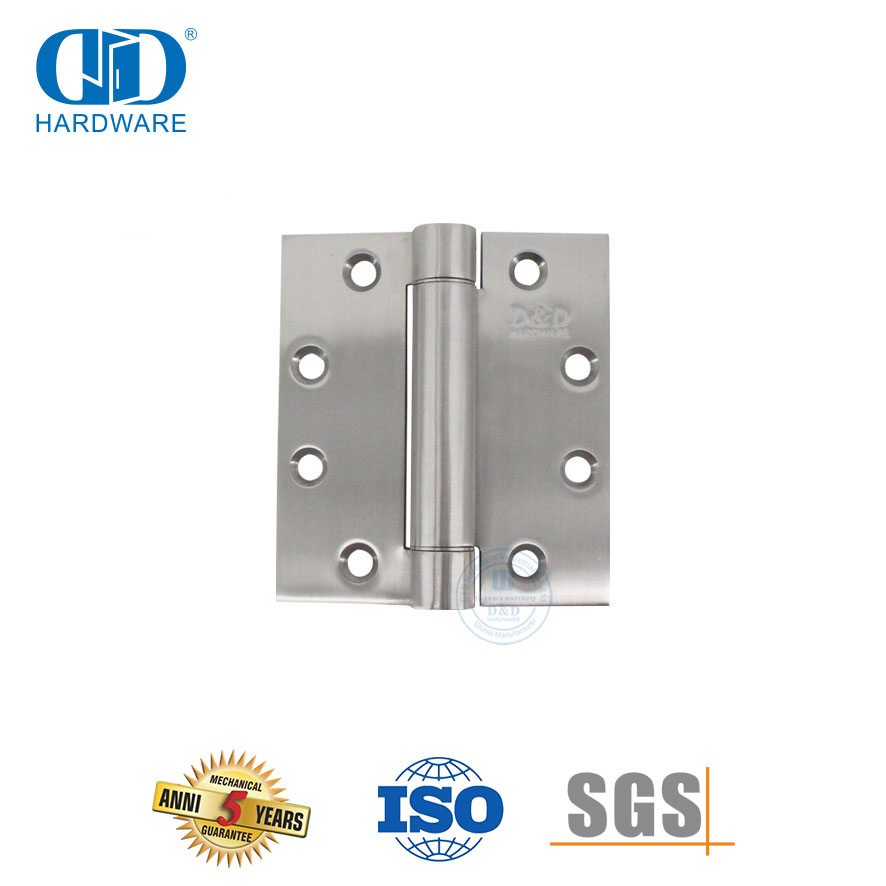
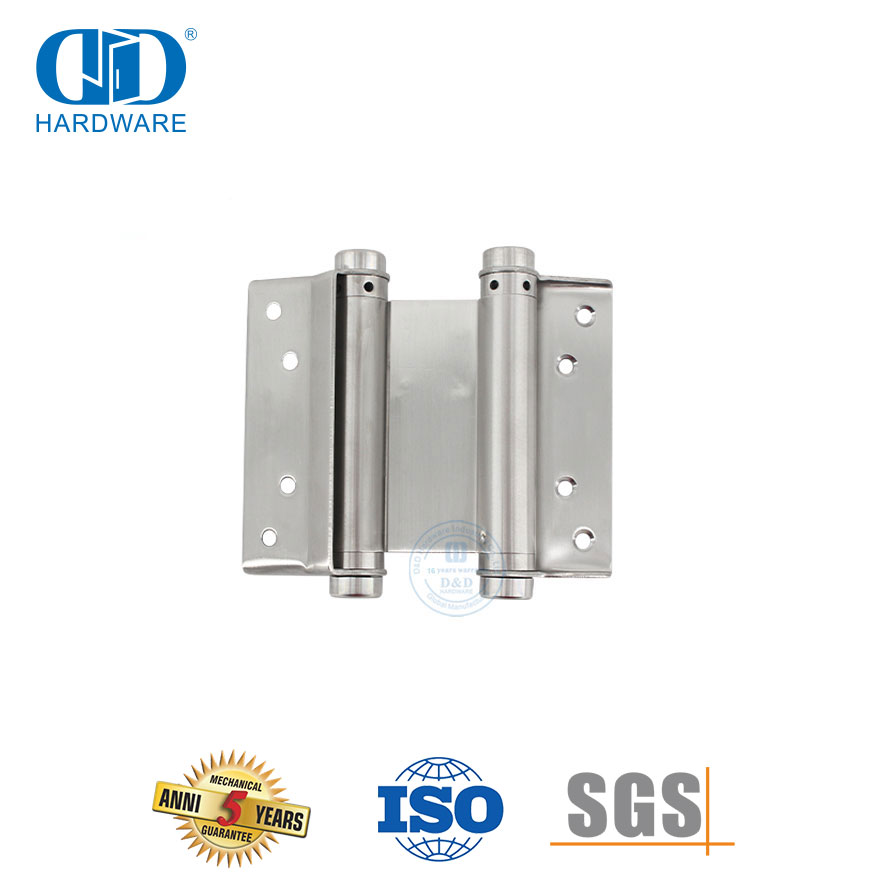
Installing self-closing hardware on exterior timber doors helps maintain indoor temperature control by ensuring the entryway never accidentally stays open. This simple upgrade significantly improves a building's energy efficiency and reduces heating or cooling costs.
Furthermore, self-closing mechanisms enhance overall property security. You never have to worry about whether someone forgot to close the door behind them. When selecting these hinges, ensure they feature a weather-resistant finish, such as stainless steel or solid brass, to prevent rust and corrosion from outdoor moisture and humidity.
Metal entryways require hardware specifically engineered to handle immense weight and frequent, heavy use. A standard steel metal door hinge is constructed from heavy-gauge materials designed to resist bending, warping, and extreme structural stress.
Steel doors are significantly heavier than their wooden counterparts. Because of this added weight, ball-bearing hinges are highly recommended for metal door installations. These hinges feature small steel ball bearings situated between the hinge knuckles, which dramatically reduce friction. This mechanical advantage allows a massive steel door to glide open effortlessly and silently.
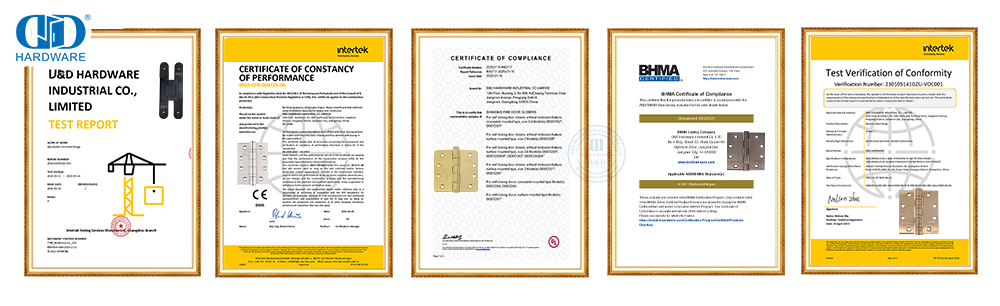
Many steel doors function as security barriers or designated fire exits. As a result, the accompanying hardware must meet strict life-safety standards. Look for hinges that hold UL, ANSI, or BHMA certifications, ensuring they have undergone rigorous testing for fire resistance and durability. Manufacturers like D&D Hardware specialize in producing certified hardware that guarantees full compliance with global safety regulations.
✔️ CE Door Hinge-BS EN1935 200,000 cycles test, EN1634 Fire Rated 192mins/260mins, EN1670 Corrosion Resistance 240 hours.
✔️Door Hinge-UL/cUL UL 10C Fire Rated 3 Hours, File No.R38013 & ANSI/BHMA Grade1&Grade
✔️CE Concealed Hinge-BS EN1935 200,000 cycles test, EN1634 Fire Rated 132mins, EN1670 Corrosion Resistance 48 hours.
Industrial facilities, schools, hospitals, and office buildings experience constant daily foot traffic. A Public Building door hinge must endure thousands of opening and closing cycles without failing. Standard residential hardware simply cannot survive this level of wear and tear.
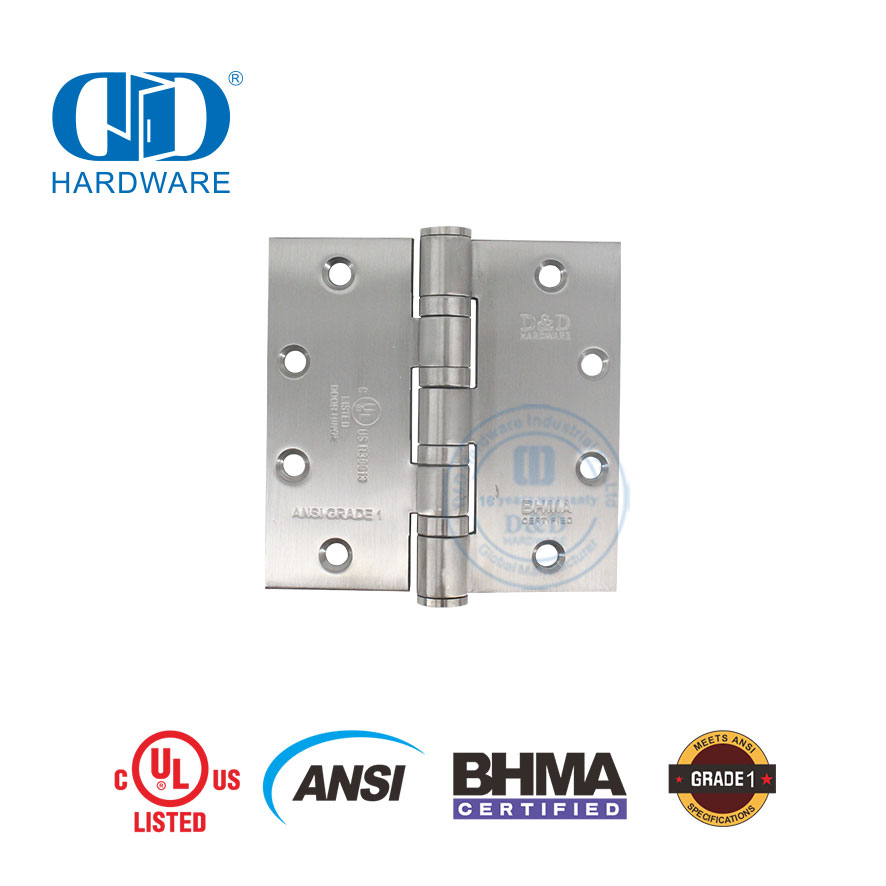
Commercial environments require heavy-duty hinges built from robust materials like 304 or 316-grade stainless steel. These hinges often feature a thicker leaf and a thicker central pin to prevent structural failure over time. For high-traffic public buildings, specifying ANSI Grade 1 hardware ensures the hinges can withstand millions of operational cycles.
Some commercial settings require specialized hinge functions. For instance, hospital corridors often utilize swing-clear hinges. These unique hinges swing the door completely out of the opening to allow maximum clearance for stretchers and large medical equipment. In schools and large public venues, heavy-duty continuous hinges (also known as piano hinges) distribute the door's weight across the entire length of the frame. This design prevents the door from sagging under extreme abuse and frequent use.
Commercial hinges are thicker, larger, and designed specifically for heavy use. They typically feature ball bearings and are manufactured from heavy-duty stainless steel to meet strict building safety certifications. Residential hinges are generally lighter and designed for much lower traffic volumes.
A standard interior door measuring up to 60 inches requires two hinges. Doors between 60 and 90 inches need three hinges. Exceptionally tall or heavy commercial doors may require four or more hinges to safely distribute the weight.
Generally, no. Wood doors and steel doors require different mounting techniques, screw types, and weight capacities. Always use a dedicated metal door hinge for steel frames to ensure adequate structural support and proper installation.

Choosing the right hardware protects your property, ensures compliance with safety regulations, and provides a seamless experience for anyone passing through the entryway. By understanding the specific requirements of your doors, you can make informed decisions that prevent costly maintenance issues down the road.
Whether you are securing a busy school corridor, installing a heavy metal fire exit, or outfitting a residential exterior door, investing in high-quality hardware pays off. Take the time to assess the weight, material, and traffic volume of your entryways before making a final purchase.
Ready to source durable, certified hardware for your next project? Explore the extensive catalog at D&D Hardware to find premium solutions backed by 18 years of manufacturing expertise. From heavy-duty commercial hinges to specialized fire-rated locks, you can secure your building with components engineered to last.
Click here for additional details on door hinges.
Now contact us.
Contact information for David Jian
Contact number: 0086-139 2903 7292
Email address: sales@danddhardware.com


