
Certified for Safety. Trusted by Leaders Worldwide.
Pls inquire to sales@danddhardware.com
\\: +86 139 2903 7292

 English
 Author: D&D Hardware Publish Time: 2025-12-22 Origin: D&D HARDWARE


Does your front door squeak every time you open it, or perhaps it sticks to the frame, requiring a firm shove to close? These are telltale signs that your hinges are worn out, rusted, or misaligned. While the door slab itself might be sturdy, the hardware holding it in place is the unsung hero of your home's security and insulation. When those hinges fail, your home becomes vulnerable to drafts, moisture, and even forced entry.
Many homeowners hesitate to tackle door hardware replacement, fearing the door will fall off or never close properly again. However, upgrading your exterior door hinges is a manageable DIY project that can be completed in an afternoon with just a few basic tools. You don't need to be a master carpenter to restore the smooth swing of your entryway.
In this guide, we will walk you through the essential steps of replacing and installing exterior door hinges. We will cover the specific requirements for exterior hardware, the tools you will need, and how to troubleshoot common alignment issues. By the end, you will have a secure, smooth-operating door that enhances both the look and safety of your home.
Before you unscrew anything, it is vital to understand that not all hinges are created equal. You cannot simply swap an interior bedroom door hinge with one meant for your front entry. Exterior doors are generally heavier and exposed to the elements, meaning the hardware must be more robust.
Exterior hinges must withstand rain, humidity, and temperature fluctuations. If you use standard steel hinges without proper plating, they will rust quickly, leading to seizing and unsightly stains. Stainless steel or solid brass are the gold standards for exterior applications because of their natural resistance to corrosion.
Security is the most critical difference. Standard interior hinges have a pin that can be easily tapped out with a hammer and a nail. If your exterior door swings outward (common in hurricane-prone areas) and has standard hinges, an intruder could simply pop the pins and remove the door without unlocking it.
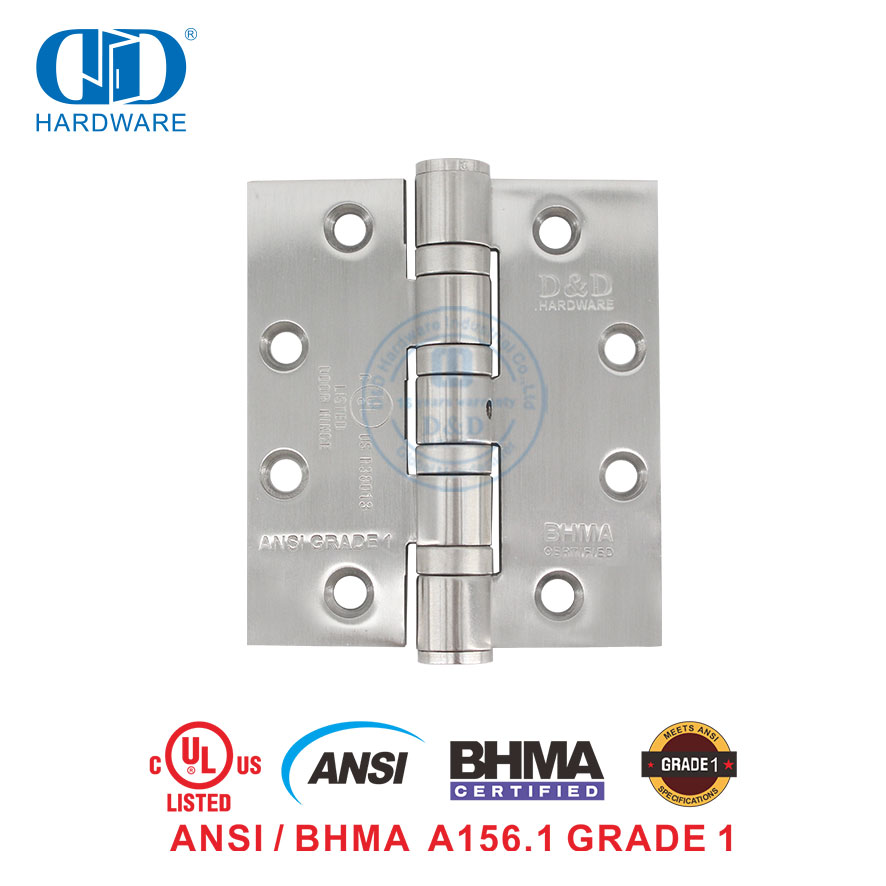
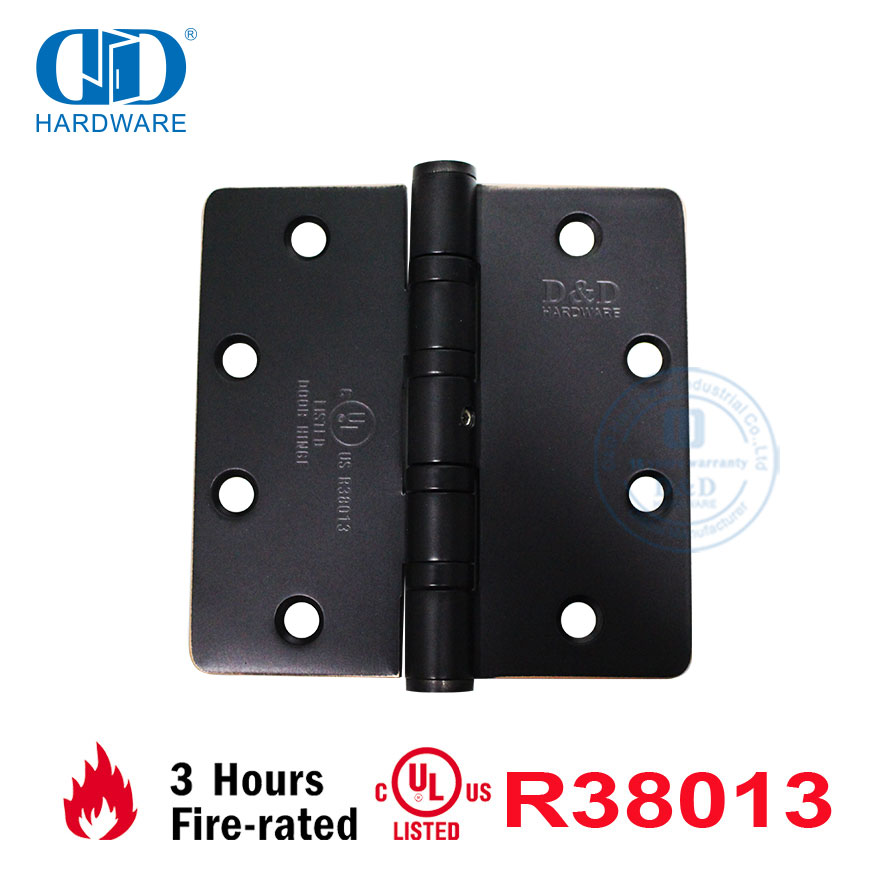
To prevent this, you should look for hinges with a Non-Removable Pin (NRP) or a security stud. These features ensure that even if the hinge barrel is exposed, the pin cannot be removed when the door is closed, keeping your home secure.

Success lies in preparation. Having the right tools on hand prevents the panic of holding a heavy door with one hand while searching for a screwdriver with the other.
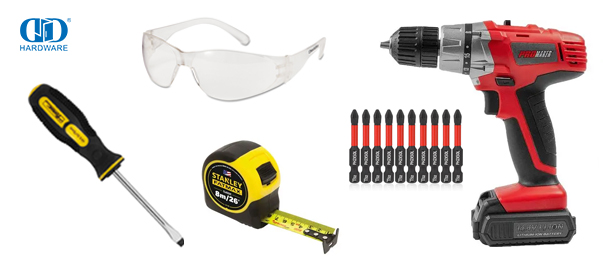
Here is a breakdown of what you will need:
Essential Tools | Optional but Helpful | Material Supplies |
|---|---|---|
Cordless Drill / Driver | Wood Chisel | New Exterior Hinges (3 or 4) |
Phillips Head Bit | Hammer | 3-inch Wood Screws |
Flathead Screwdriver | Utility Knife | Wood Filler / Toothpicks |
Tape Measure | Level | Shims |
Safety Glasses | Door Wedge / Shims | Paint or Stain (for touch-ups) |
The safest way to replace door hinges without removing the heavy door slab entirely is to replace them one at a time. This keeps the door hung and aligned during the process.
Open the door wide enough to expose the hinges fully. Place a door wedge or wooden shims under the bottom edge of the door (on the handle side). This supports the weight of the door so it doesn't sag or rip out of the top screw holes once you remove a hinge. You want the door to be stable but not lifted higher than its natural resting position.
Start with the top hinge. Using your drill or screwdriver, remove the screws attaching the hinge leaves to both the door jamb and the door slab. If the old paint has sealed the hinge to the wood, use a utility knife to carefully score around the edges to break the seal without chipping the paint.
The mortise is the recessed area in the wood where the hinge sits.
Check the fit: Place your new hinge into the existing mortise. It should sit flush with the surface of the wood.
If it's too shallow: You may need to use a wood chisel to scrape away a small amount of wood until the hinge sits flat.
If it's too deep: Put a thin piece of cardboard or wood veneer behind the hinge to shim it out so it is flush.
Fixing loose holes: If the old screw holes are stripped (the screws spin without tightening), fill the hole with a few wooden toothpicks dipped in wood glue. Let it dry, then snap off the excess. This gives the new screws fresh wood to bite into.
Place the new hinge into the mortise. It is highly recommended to use 3-inch screws for the side of the hinge that attaches to the door frame (jamb). Standard screws are often only 1 inch long and only grip the trim. A 3-inch screw goes through the jamb and anchors deeply into the structural stud of the house, significantly increasing security and preventing the door from sagging over time.
Tighten the screws until the hinge is secure, but be careful not to over-tighten, as this can pull the door out of alignment.
Once the top hinge is secure, move to the middle hinge (if applicable), and finally the bottom hinge. Repeating the process one by one ensures the door never loses its alignment with the frame.
Remove the wedges from under the door. Open and close the door several times. It should swing smoothly without binding or making noise. Check the gaps around the door (the reveal); they should be consistent on the top and sides. If the door rubs against the frame, you may need to tighten the screws slightly or adjust the shims behind the hinges.
When it comes to the safety and functionality of your property, the quality of the hardware matters just as much as the installation. Cheap hinges may look shiny in the store, but they often lack the load-bearing capacity and corrosion resistance required for heavy exterior doors.
For homeowners and contractors looking for professional-grade reliability, D&D HARDWARE INDUSTRIAL Co., Ltd. is a leading choice. With over 17 years of expertise in the industry, D&D Hardware specializes in manufacturing high-quality door hardware, including hinges, locks, and door closers.
Why does sourcing from a reputable manufacturer matter?
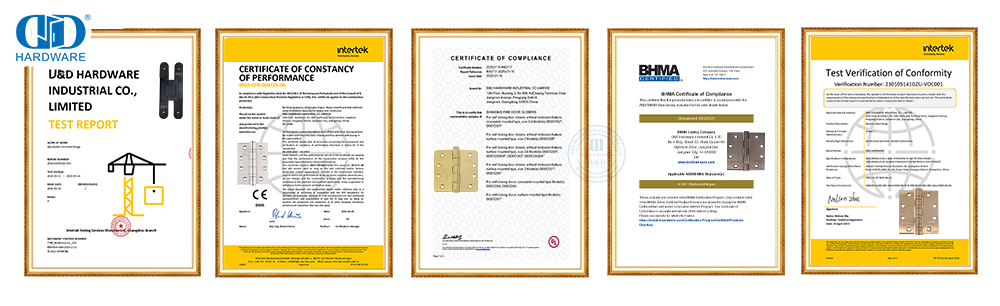
Certified Excellence: D&D products hold international certifications including CE, UL, ANSI, and BHMA. This means the hinges have undergone rigorous testing for fire safety and mechanical endurance.
D&D Door Hinge Certification:
️✔ CE Door Hinge - BS EN1935 200,000 cycles test, EN1634 Fire Rated 192mins/260mins, EN1670 Corrosion Resistance 240 hours.
️✔ UL Door Hinge - UL/cUL Listed, UL 10C Fire Rated 3 Hours, File No.R38013
✔ BHMA Door Hinge - ANSI/BHMA 156.1 and ANSI/BHMA 156.18
✔ ANSI Door Hinge - ANSI Grade 1 2,500,000 cycles test, ANSI Grade 2 1,500,000 cycles test
✔ CE Concealed Hinge-BS EN1935 200,000 cycles test, EN1634 Fire Rated 132mins, EN1670 Corrosion Resistance 48 hours.
OEM Capabilities: They provide tailored hardware solutions, meaning they understand the specific engineering requirements for different types of doors, whether wood, metal, or glass.
Durability: Their products are designed for both residential and commercial applications, ensuring they can handle high traffic and harsh environments without failing.
If you are looking for hardware that meets strict safety codes and offers longevity, D&D Hardware’s focus on "Certified Safety, Unmatched Quality" makes them a standout option in the market.

This is usually caused by "hinge bind." It happens when the hinge leaves are set too deep into the mortise, causing the wood of the door to hit the wood of the jamb before the latch engages. To fix this, unscrew the hinge causing the issue and place a thin shim (like a piece of cereal box cardboard) behind the hinge leaf to bring it out slightly.
It is generally not recommended. Old screws can be stripped, rusted, or weakened from years of stress. Furthermore, the heads of the old screws might not sit perfectly flush in the countersunk holes of the new hinges. Always use the screws provided with your new hardware, or upgrade to longer 3-inch stainless steel screws for the jamb side to improve security.
You should check your hinges once a year. If they start to squeak, apply a silicone-based lubricant or white lithium grease. Avoid using standard WD-40, as it can attract dust and dirt, which effectively turns into "grinding paste" over time, wearing out the hinge pin faster.
Replacing your exterior door hinges is a small investment of time and money that pays significant dividends. Not only does it stop the annoying squeaks and fix alignment issues, but it also reinforces the security of your home's main entry points. By using the right materials—like stainless steel or brass—and anchoring your hardware with long screws, you ensure your door stands strong against both the weather and potential intruders.
Remember that the hardware is the backbone of your door's operation. Whether you are a DIY enthusiast or sourcing materials for a larger project, choosing certified products from trusted manufacturers like D&D Hardware ensures that your installation will stand the test of time.
Click here for additional details on door hinges.
Now contact us.
Contact information for David Jian
Contact number: 0086-139 2903 7292
Email address: sales@danddhardware.com


