
Certified for Safety. Trusted by Leaders Worldwide.
Pls inquire to sales@danddhardware.com
\\: +86 139 2903 7292

 English
 Author: D&D Hardware Publish Time: 2026-06-01 Origin: D&D Hardware


TL;DR:
The best door lock for residential building applications depends on your door material and security needs. Deadbolts offer standard security for exterior doors, while mortise locks provide maximum protection. Always look for hardware that holds ANSI, BHMA, or UL certifications to ensure long-term durability and safety.
Securing a house starts with the very first point of entry. Choosing the right residential hardware is a critical step in protecting property, family, and valuables. Many homeowners underestimate the importance of certified hardware, relying on basic builder-grade materials that wear down quickly.

Selecting a high-quality home door lock requires understanding your specific door materials, local safety codes, and daily traffic levels. A solid wooden door requires different hardware than a glass patio entrance. By evaluating these factors, you can make informed decisions that improve both safety and aesthetics.
This guide explores the best hardware solutions available for residential properties today. You will learn how to identify top-tier locking mechanisms, secure your valuables, and choose hardware that lasts for decades.

The best residential door lock is a Grade 1 single-cylinder deadbolt paired with a sturdy metal or solid wood door. The American National Standards Institute (ANSI) grades locks from Grade 1 to Grade 3. Grade 1 represents the highest level of security, tested to withstand 250,000 cycles and 10 hammer blows.
When outfitting a home, decision-makers must evaluate the primary function of the door. Choose a standard deadbolt if affordability and basic exterior security matter most. Choose a mortise lock if you require heavy-duty security and have a door thick enough to accommodate the internal pocket. Mortise locks integrate the locking mechanism directly into the door structure, making them highly resistant to forced entry.
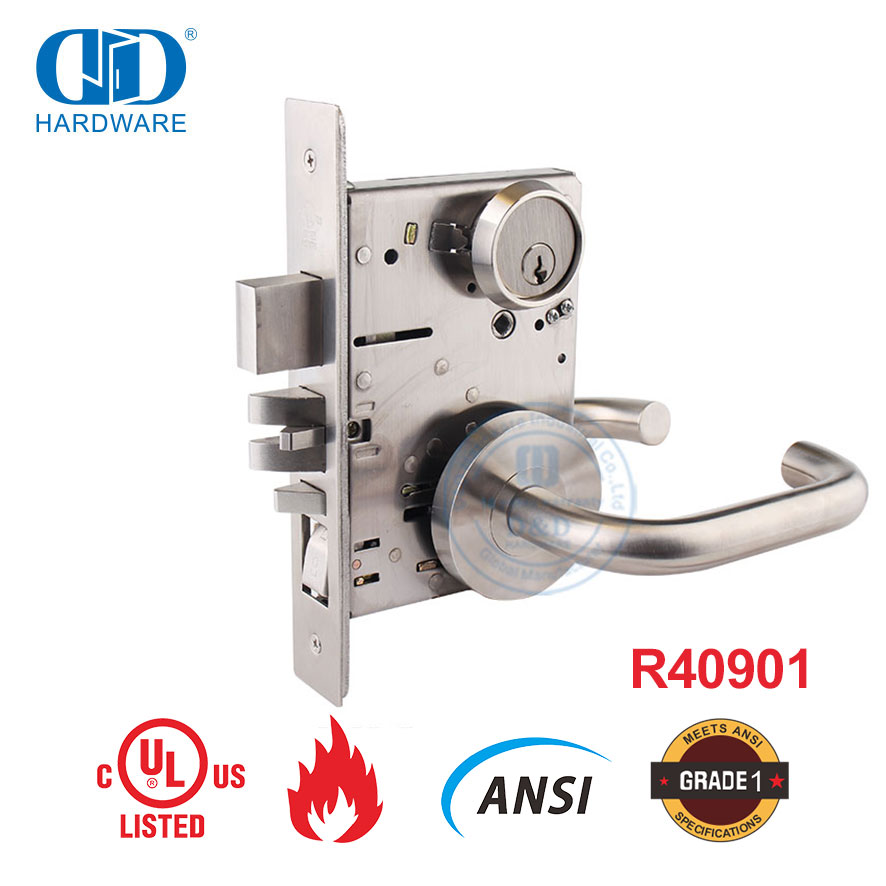
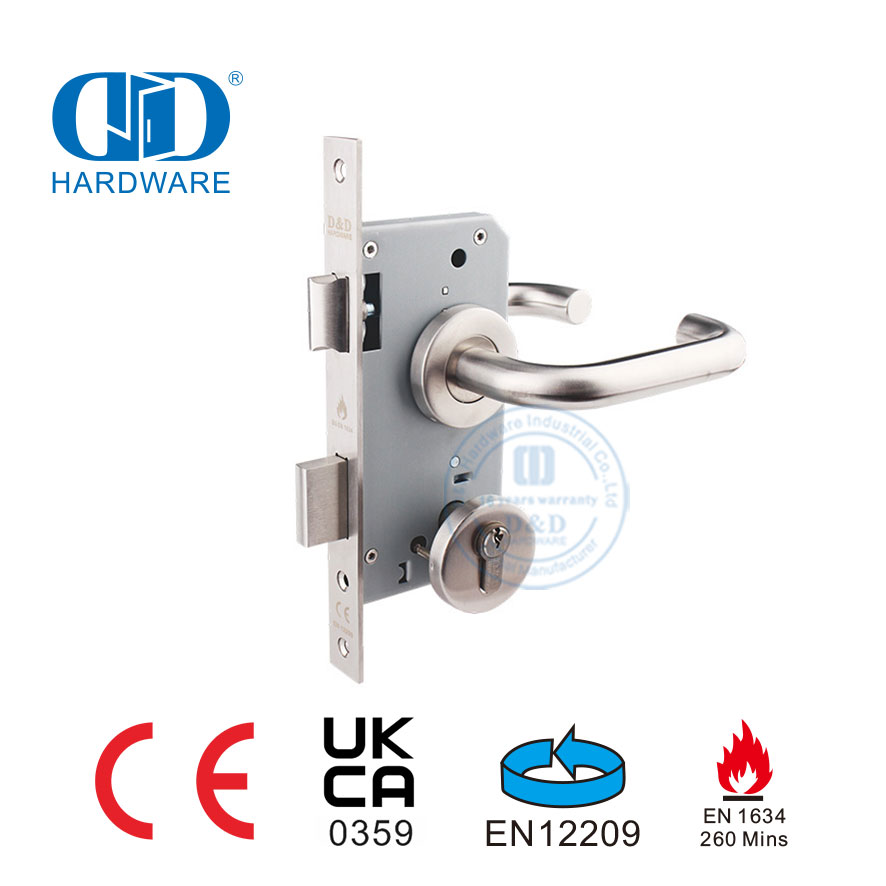
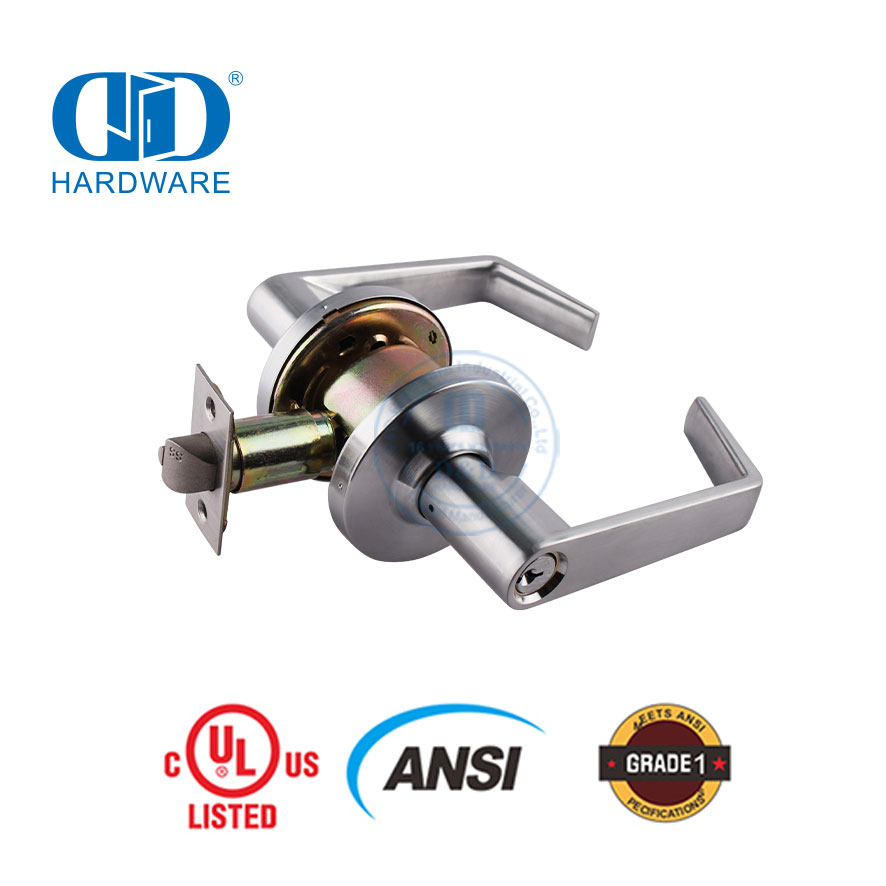

For property managers outfitting multi-family homes, consistency and durability are paramount. Using certified hardware from established manufacturers ensures that the building meets fire and safety codes. For example, D&D Hardware has 18 years of experience manufacturing door hardware that meets CE, UL, ANSI, and BHMA certifications. Selecting hardware with these certifications guarantees that the home door lock will perform reliably under stress.
The best lock for a home safe is a biometric electronic lock backed up by a dual-key override. Home safes store critical documents, jewelry, and firearms, meaning access speed and absolute security are equally important.
Mechanical dial locks remain a popular alternative. Mechanical dial locks use spinning wheels to align internal pins, requiring no batteries or electrical components. Choose a mechanical dial lock if long-term durability matters more than quick access. According to security professionals, mechanical dials can last decades without maintenance, though they take significantly longer to open during an emergency.
Electronic keypad locks offer faster access. Users simply punch in a four-to-six-digit code. Choose an electronic keypad lock if you need to open the safe in under five seconds. However, electronic locks require regular battery changes and are susceptible to moisture damage if placed in humid environments.


Wooden doors remain the standard for residential interiors and front entryways. Selecting a wooden door lock requires careful measurement of the door's backset. The backset is the distance from the edge of the door to the center of the drilled hole. Standard residential backsets measure either 2-3/8 inches or 2-3/4 inches.
To prevent the wood from splitting, homeowners should use a cylindrical lockset. Cylindrical locks slide through the door with minimal drilling, preserving the structural integrity of the wood. Pair this with heavy-duty ball-bearing hinges to support the weight of solid wood doors over time.
For exterior wooden doors, you must reinforce the strike plate. The strike plate attaches to the door frame and catches the lock bolt. Using three-inch screws to secure the strike plate deep into the wall studs prevents intruders from kicking the door open.
Upgrading your home security system requires a systematic approach. Start by auditing your exterior doors. Check for loose hinges, rusted lock cylinders, and worn strike plates. Replace any builder-grade Grade 3 locks with ANSI Grade 1 deadbolts.
If you manage a large residential project or need custom solutions, partnering with an experienced manufacturer streamlines the process. D&D Hardware offers comprehensive factory-direct hardware solutions tailored to residential and commercial needs. Upgrading to certified, expertly crafted hardware ensures your property remains safe and visually appealing for years to come.

A standard residential deadbolt replacement costs between $40 and $150 for the hardware itself. Hiring a professional locksmith to install the lock typically adds $75 to $200 in labor costs, depending on your location and the complexity of the installation.
A high-quality, ANSI Grade 1 wooden door lock typically lasts 15 to 20 years with normal daily use. Regular maintenance, such as lubricating the cylinder with graphite powder annually, can extend the lifespan of the locking mechanism significantly.
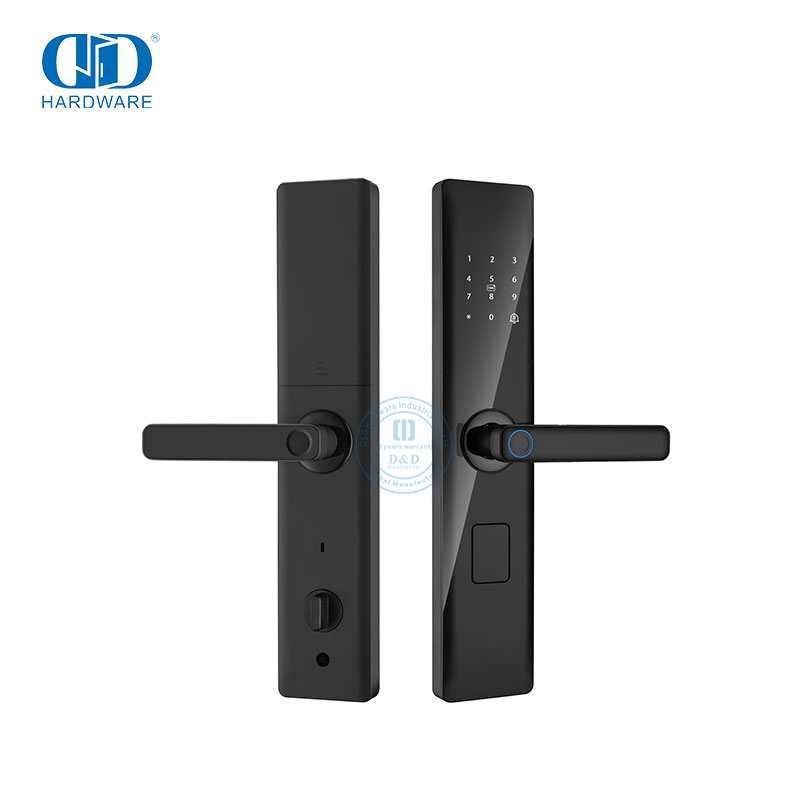
Smart locks offer superior convenience through remote access, temporary guest codes, and activity tracking. However, traditional Grade 1 mechanical deadbolts offer identical or superior physical security without the risk of software glitches or dead batteries. Choose a smart lock if convenience and access tracking are your top priorities.
Click here for additional details on door hardware.
Now contact us.
Contact information for David Jian
Contact number: 0086-139 2903 7292
Email address: sales@danddhardware.com


