
Certified for Safety. Trusted by Leaders Worldwide.
Pls inquire to sales@danddhardware.com
\\: +86 139 2903 7292

 English
 Author: D&D Hardware Publish Time: 2025-09-15 Origin: D&D HARDWARE


Removing a door from its hinges might seem daunting, but it's actually one of the most straightforward home improvement tasks you can tackle. Whether you're painting, replacing carpet, moving furniture, or performing maintenance, knowing how to properly remove door hinges can save you time and prevent damage to your home.
Most homeowners find themselves needing this skill at some point. Maybe you're trying to squeeze a large piece of furniture through a doorway, or perhaps you want to refinish a door without making a mess of the surrounding area. Whatever your reason, this comprehensive guide will walk you through the entire process safely and efficiently.
You'll learn about the tools you need, different hinge types, and step-by-step instructions that work for most standard doors. By the end of this guide, you'll have the confidence to remove any door in your home without calling a professional.
Before you start working with your door hinges, gather these essential tools:
Basic Tools:
· Hammer
· Nail set or center punch
· Pliers or locking pliers
· Screwdriver (flathead and Phillips head)
· Safety glasses
Optional but Helpful:
· Penetrating oil (like WD-40)
· Wire brush
· Helper (doors can be heavy)
Most of these items are common household tools. The nail set or center punch is particularly useful for removing stubborn hinge pins, though you can often manage with just a hammer and screwdriver if needed.

Not all door hinges are created equal. Understanding what type you're working with will help you choose the best removal method.
These are the most common type found in homes. The hinge pin can be removed from the top, allowing you to separate the door from the frame without unscrewing anything. Look for a small gap at the top of the hinge where the pin head is visible.
Some hinges have pins that cannot be removed from the top. These are often found on exterior doors for security reasons. You'll need to unscrew the entire hinge from either the door or the frame.
These specialized hinges prevent easy removal and are typically found on exterior doors. They may have special pins or additional security features that make removal more complex.

This method works for most interior doors and some exterior doors with removable pin hinges.
Step 1: Prepare Your Workspace
Clear the area around the door. Make sure you have enough space to safely handle the door once it's removed. Have your helper ready, as doors can be surprisingly heavy.
Step 2: Start with the Bottom Hinge
Always begin with the bottom hinge and work your way up. This prevents the door from falling unexpectedly. Position your nail set or center punch at the bottom of the hinge pin.
Step 3: Drive Out the Pin
Gently tap the nail set with your hammer to push the hinge pin upward. You should see it start to emerge from the top of the hinge. Once you can grip the pin head with pliers, pull it out completely.
Step 4: Remove Middle and Top Pins
Repeat the process for any middle hinges, then finish with the top hinge. Keep track of which pins came from which hinges, as they might be slightly different sizes.
Step 5: Lift the Door Away
With all pins removed, carefully lift the door straight up and away from the frame. The door should separate cleanly from the hinges attached to the frame.
Sometimes hinge pins become stuck due to paint, rust, or age. Here's how to handle stubborn pins:
Apply Penetrating Oil
Spray a small amount of penetrating oil around the pin and let it sit for 10-15 minutes. This will help loosen any corrosion or paint buildup.
Use a Larger Hammer
If gentle tapping isn't working, try a slightly larger hammer with more force. Be careful not to damage the hinge or surrounding woodwork.
Try the Screwdriver Method
Place a large flathead screwdriver under the hinge pin head and gently pry while tapping. This can provide the extra leverage needed for stubborn pins.
When pins can't be removed, you'll need to unscrew the entire hinge.
Choose Your Side
Decide whether to remove the hinges from the door or the frame. Generally, it's easier to remove them from whichever side has better screw access.
Remove the Screws
Using the appropriate screwdriver, carefully remove all screws from one leaf of each hinge. Keep the screws organized so you can easily reinstall them later.
Separate the Door
Once all hinges are detached from one side, carefully move the door away from the frame.

Safety First:
· Always wear safety glasses when hammering
· Get help with heavy doors
· Watch your fingers when the door becomes free
· Be careful not to let the door fall or swing unexpectedly
Common Mistakes:
· Starting with the top hinge (this can cause the door to fall)
· Using too much force and damaging the hinge
· Losing track of pins and screws
· Not having a plan for where to put the door once it's removed
Protecting Your Floors:
Place a towel or cardboard under your work area to catch any falling pins or protect your floors from tools.
When you're ready to put the door back, simply reverse the removal process:
1.Position the door so the hinge leaves align
2.Insert the hinge pins, starting with the top hinge this time
3.Tap the pins down until they're fully seated
4.Test the door to ensure it opens and closes properly
While removing door hinges is generally a DIY-friendly task, some situations call for professional help:
· Heavy exterior doors with complex security hinges
· Doors that are warped or damaged
· Situations where you're uncomfortable with the process
· Antique or valuable doors that could be damaged
Removing a door from its hinges is a valuable skill that every homeowner should master. With the right tools and techniques, you can safely remove most doors in just a few minutes. Remember to work systematically, prioritize safety, and don't hesitate to ask for help with heavy doors.
The key is patience and the right approach for your specific type of door hinges. Whether you're painting, cleaning, or moving furniture, this skill will serve you well throughout your homeownership journey.
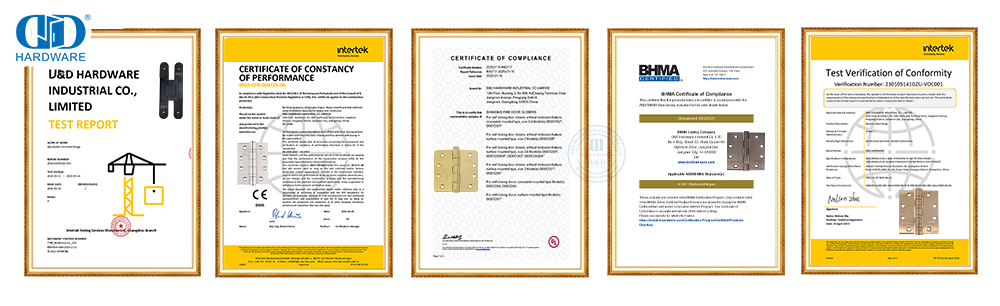
D&D Door Hinge Certification:
️✔ CE Door Hinge - BS EN1935 200,000 cycles test, EN1634 Fire Rated 192mins/260mins, EN1670 Corrosion Resistance 240 hours.
️✔ UL Door Hinge - UL/cUL Listed, UL 10C Fire Rated 3 Hours, File No.R38013
✔ BHMA Door Hinge - ANSI/BHMA 156.1 and ANSI/BHMA 156.18
✔ ANSI Door Hinge - ANSI Grade 1 2,500,000 cycles test, ANSI Grade 2 1,500,000 cycles test
✔ CE Concealed Hinge-BS EN1935 200,000 cycles test, EN1634 Fire Rated 132mins, EN1670 Corrosion Resistance 48 hours.
Click here for additional details on door hinges.
Now contact us.
Contact information for David Jian
Contact number: 0086-139 2903 7292
Email address: sales@danddhardware.com


