
Certified for Safety. Trusted by Leaders Worldwide.
Pls inquire to sales@danddhardware.com
\\: +86 139 2903 7292

 English
 Author: D&D Hardware Publish Time: 2025-09-11 Origin: D&D HARDWARE


Installing door hinges might seem like a daunting task reserved for seasoned carpenters, but with the right tools and a methodical approach, it's a achievable DIY project that can save you time and money. Whether you're hanging a new door or replacing old, worn hinges, this comprehensive guide will walk you through the entire process, ensuring a smooth-swinging, perfectly aligned door every time.
Before you grab your screwdriver, it's crucial to understand the type of door hinges you're working with. The most common type for interior doors is the butt hinge, which consists of two rectangular leaves with knuckles in the middle, connected by a pin. Other types include:
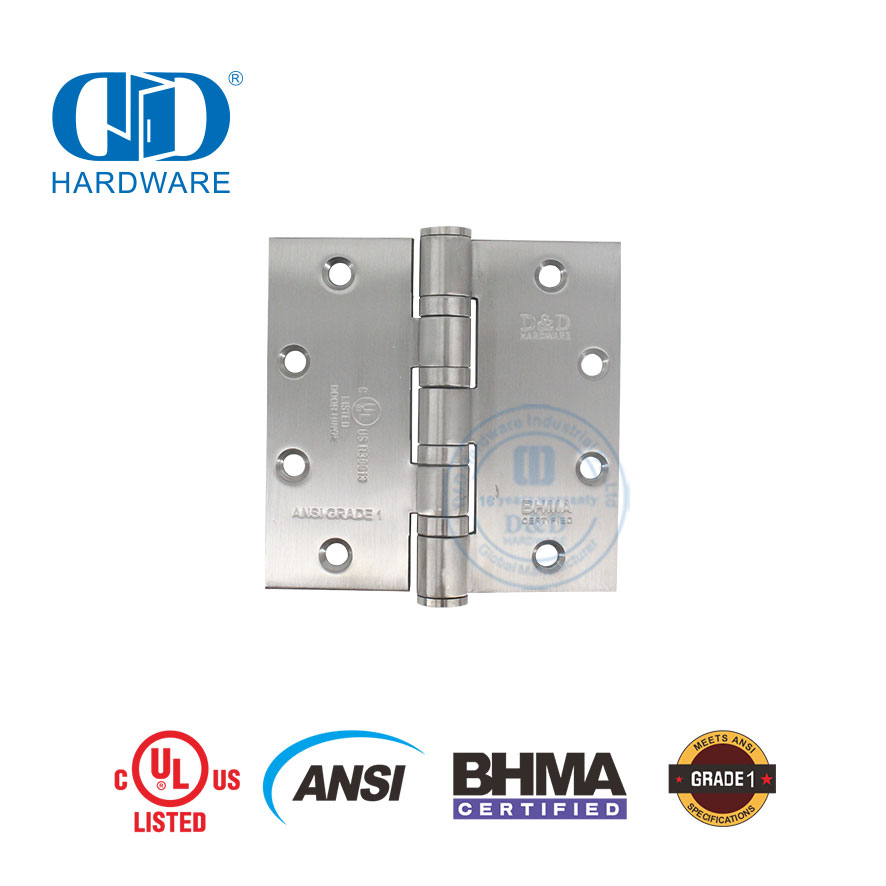
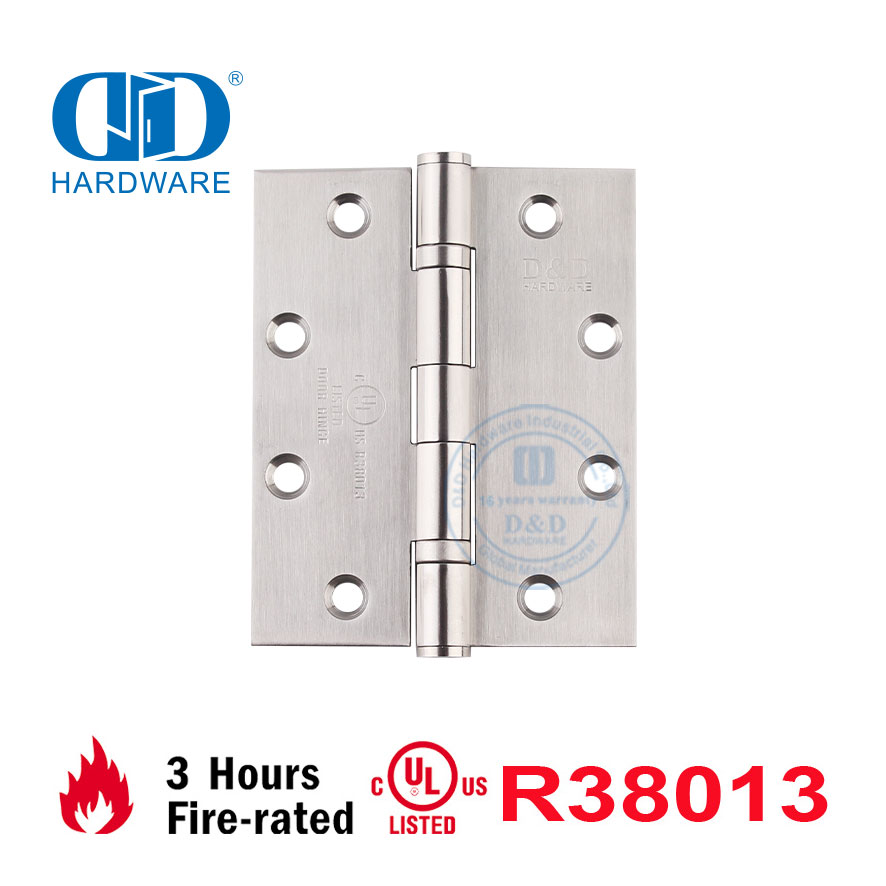
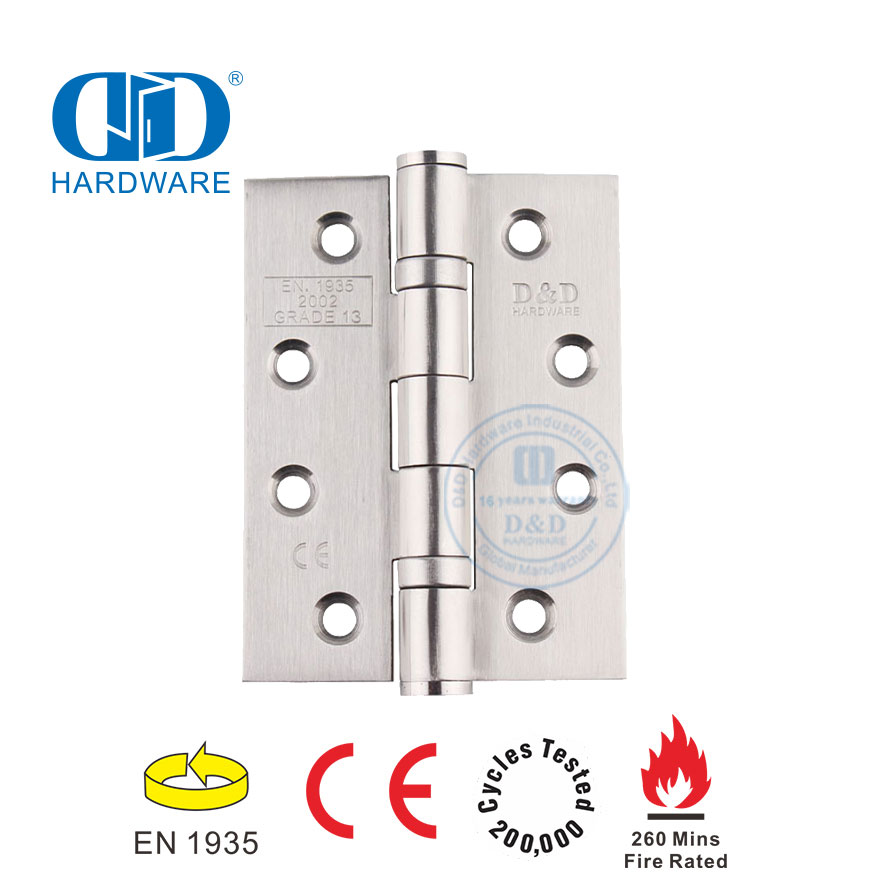
· Ball-Bearing Hinges: Ideal for heavy doors, reducing squeaking.
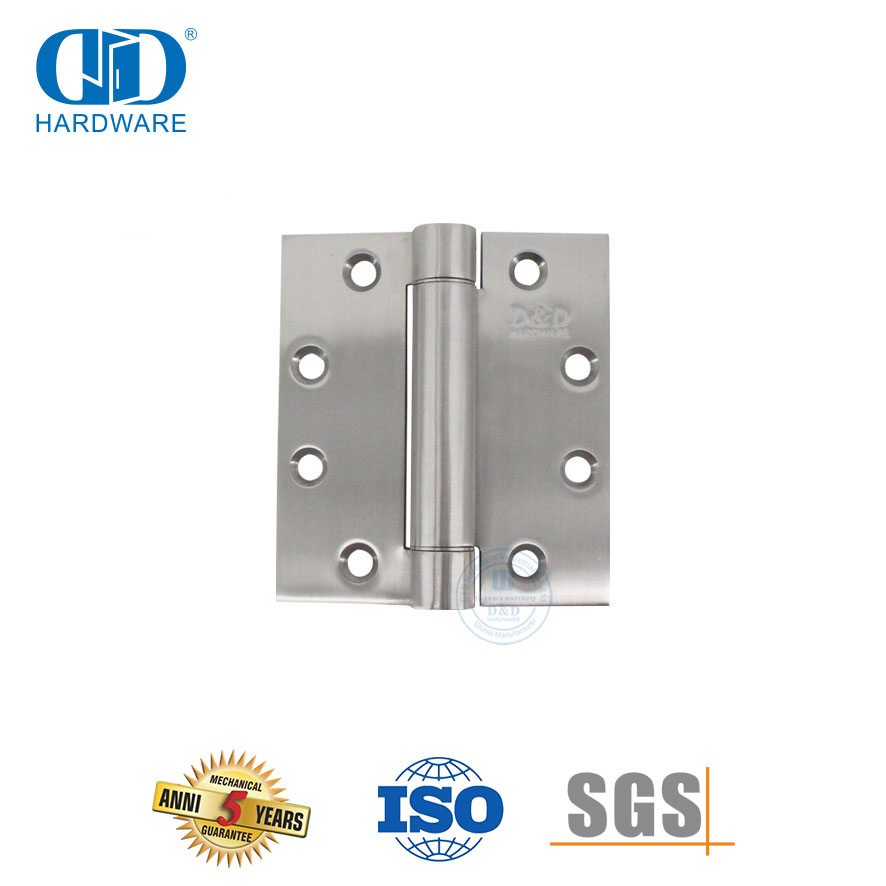
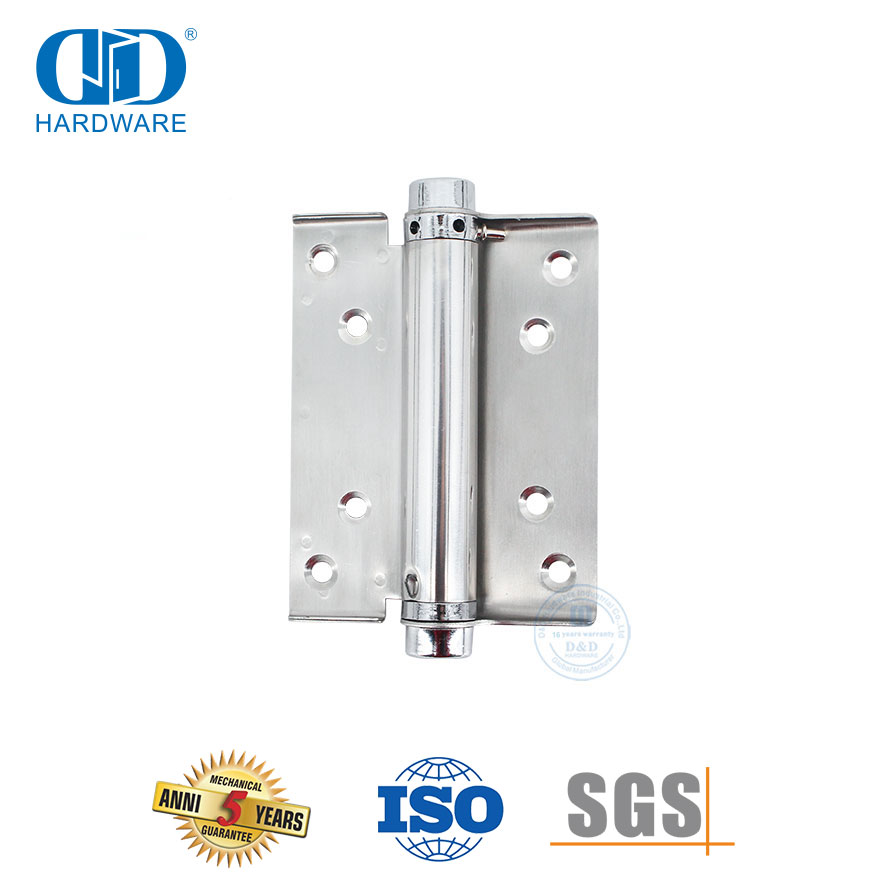
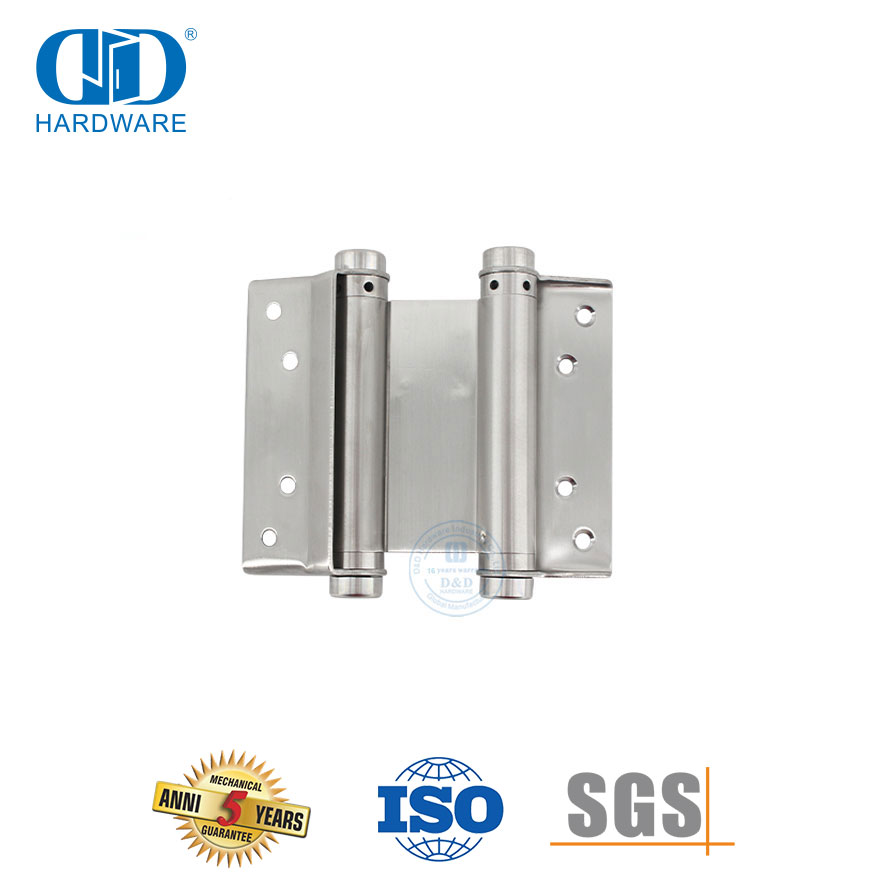
· Spring Hinges: Automatically close the door.
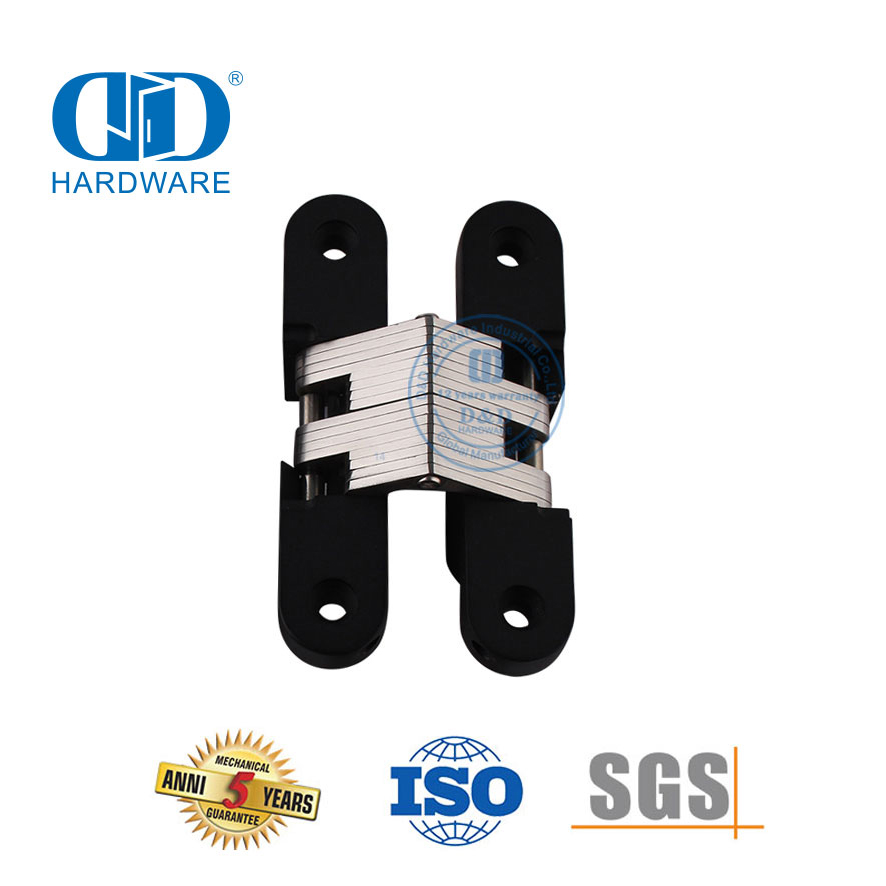
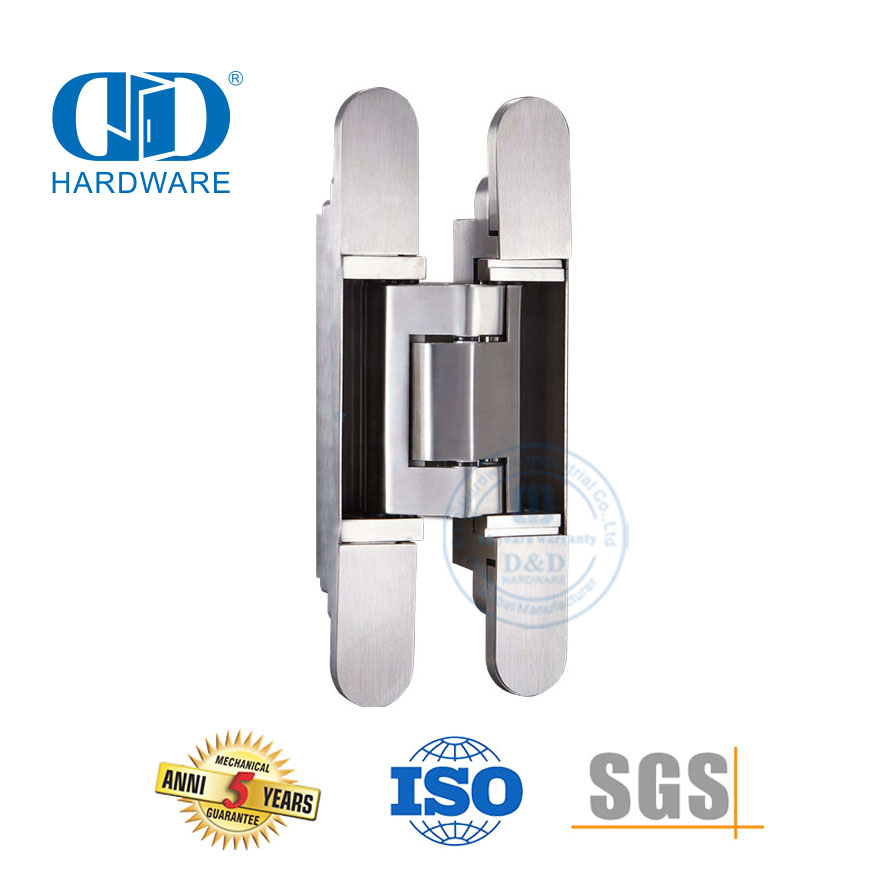
· Concealed Hinges: Often used for cabinets for a clean look. For most standard doors, you'll be using 3.5-inch butt hinges, typically three per door for stability.

Gathering your tools beforehand streamlines the process. You will need:
· New door hinges (typically a set of 2 or 3)
· A door (and door jamb, if new construction)
· Screwdriver (Phillips and flat-head) or a Drill/Driver
· Hammer
· Chisel (1/2" or 3/4" is standard)
· Utility Knife
· Tape Measure
· Pencil
· Level
· Wood Shims
· A helper (optional but highly recommended)

Lay the door on a stable, raised surface like sawhorses. The standard placement for hinges is:
· Top Hinge: 7 inches down from the top of the door.
· Bottom Hinge: 11 inches up from the bottom of the door.
· Middle Hinge (if using a third): Centered between the top and bottom hinges.
Use your tape measure and a square to mark the exact location where the hinge will sit. Place the hinge on your marks and trace its outline with a sharp pencil or utility knife. Scoring the outline with a knife will create a cleaner edge for chiseling.
A mortise is the shallow recess carved into the wood where the hinge leaf sits flush with the surface.
1.Score the Depth: Set your chisel perpendicular to the wood inside your traced lines and gently tap it with a hammer to score the depth around the entire outline. The hinge should be flush with the door's edge, so the depth of your mortise should match the thickness of the hinge leaf.
2.Make Relief Cuts: Make several parallel cuts inside the outlined area, about 1/8-inch apart, angling the chisel slightly.
3.Remove the Wood: Place the chisel flat-side down into the relief cuts and gently tap to remove the wood chips. Work slowly and carefully, checking depth frequently.
4.Flatten the Bottom: Once most of the wood is removed, use the chisel to smooth and flatten the bottom of the mortise.
Place the hinge into the mortise. It should sit perfectly flush. If it protrudes, you need to chisel deeper. If it's recessed too far, your mortise is too deep. Once it fits perfectly, pre-drill pilot holes for the screws to prevent the wood from splitting. Then, secure the hinge using the provided screws.
This is the trickiest part and requires precision for proper door alignment.
1.Position the Door: With the help of an assistant, hold the door in the frame. Use wood shims under the door to lift it to the desired height, leaving an even gap (approx. 1/8 inch) at the top and along the sides.
2.Transfer the Marks: Once the door is perfectly positioned and level, carefully mark the top and bottom of each hinge leaf on the door jamb.
3.Trace the Hinges: Remove the door and place the unattached hinge leaves on the jamb, aligned with your marks. Trace their outlines.
4.Mortise the Jamb: Repeat the mortising process (Step 2) on the door jamb. The goal is an identical, flush mortise.
1.Secure Hinges to Jamb: Once the mortises on the jamb are ready, attach the hinge leaves to the jamb with one screw each initially.
2.Hang the Door: Have your helper hold the door while you align the hinges. Insert the hinge pin by tapping it gently with a hammer. If the hinges are perfectly aligned, the pin should slide in easily.
3.Test and Adjust: Open and close the door. Check for smooth operation and even gaps. If the door sticks or swings open, you may need to adjust the hinges by tightening or loosening screws or adding cardboard shims behind a hinge leaf to change its position. Once everything is aligned correctly, install the remaining screws.

· Pilot Holes are Key: Always pre-drill pilot holes to avoid splitting the wood and ensure screws go in straight.
· Sharp Tools Matter: A sharp chisel and utility knife make cleaner cuts and require less force, reducing the risk of mistakes.
· Check for Square: Ensure your door and frame are square before making final marks. A misaligned frame will cause persistent problems.
· Start with the Top Hinge: When mortising the jamb, often it's easiest to fully install the top hinge on the jamb first, hang the door on it, then shim and mark the bottom hinge location for perfect alignment.
By following these detailed steps, you can confidently install door hinges like a professional. A well-hung door not only improves the functionality of your space but also adds to its overall aesthetic and value. Take your time, measure twice, and cut once for a perfect result.
Click here for additional details on door hinges.
Now contact us.
Contact information for David Jian
Contact number: 0086-139 2903 7292
Email address: sales@danddhardware.com


