
Certified for Safety. Trusted by Leaders Worldwide.
Pls inquire to sales@danddhardware.com
\\: +86 139 2903 7292

 English
 Author: D&D HARDWARE Publish Time: 2025-04-21 Origin: D&D HARDWARE


Your front door is the first line of defense for your home, and your door lock plays a critical role in keeping your property safe. While locks are designed to provide security, an improperly installed or faulty lock can leave your home vulnerable to intruders. Thankfully, there are several ways to enhance the security of your door lock, ensuring peace of mind for you and your family.
This blog will walk you through practical steps and tips to make your door lock more secure, from choosing the right lock and reinforcing existing locks to adopting additional security measures.
Not all locks are created equal. Choosing the right type of lock for your doors makes all the difference for home security. Here are some differences to consider when buying or upgrading your door lock.
Deadbolts are among the most secure lock types. They have a sturdy locking mechanism that provides a higher level of protection against forced entry compared to spring latch locks.
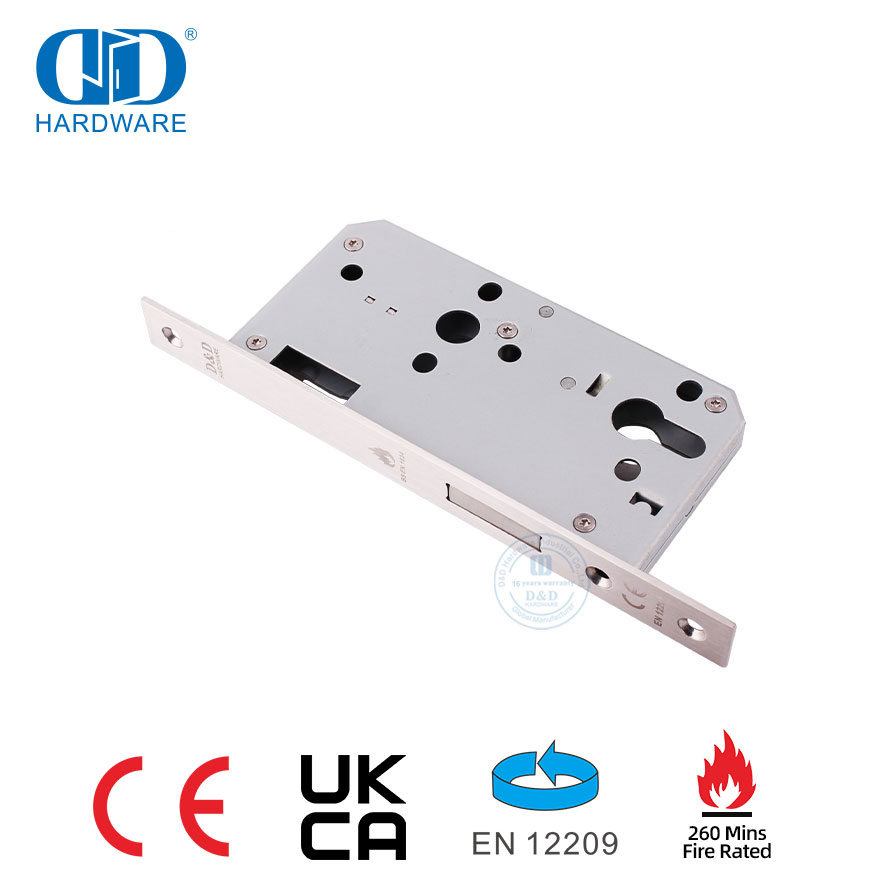
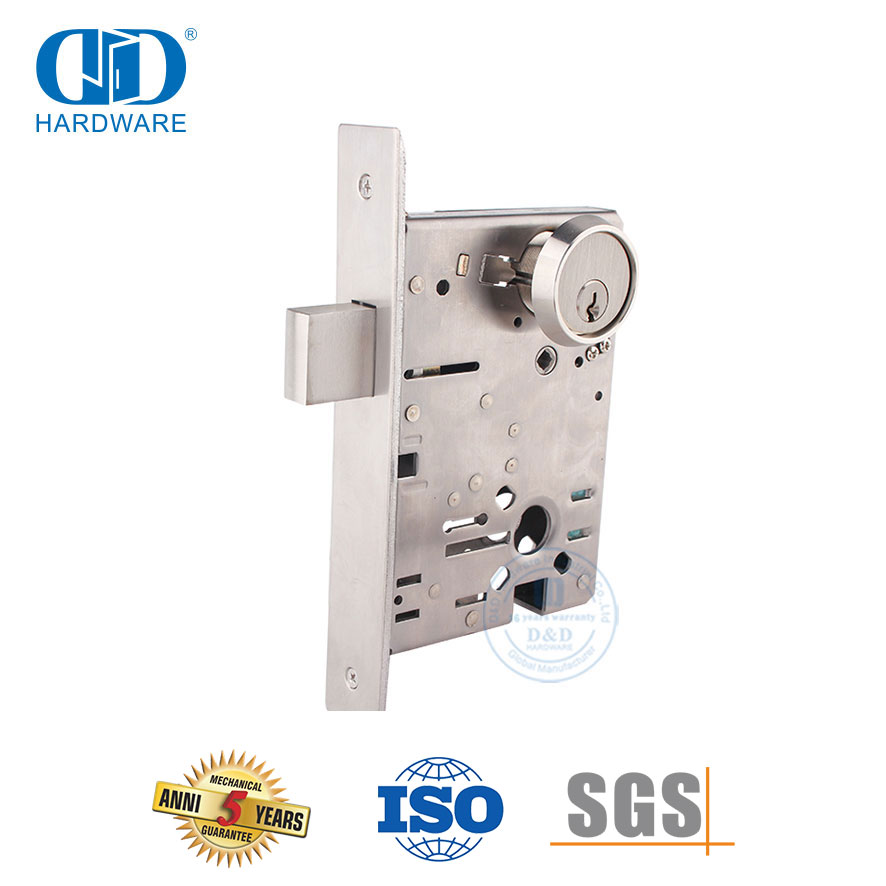
● Single-cylinder deadbolts are activated with a key from the outside and a thumb turn from the inside.
● Double-cylinder deadbolts require a key for both sides, making them more secure but less convenient in emergencies.
If you're buying a deadbolt, look for heavy-duty materials and a high ANSI (American National Standards Institute) grade rating, with Grade 1 offering the highest level of security.
Smart locks allow you to secure and unlock your door using a smartphone or keypad. Many smart locks also offer additional features such as remote access, temporary codes for visitors, and activity monitoring.


Some popular options include August Smart Locks, Schlage Encode, and Yale Assure Lock. These locks combine convenience with advanced technology for improved home security.
For optimal protection, consider high-security locks. These locks typically have features such as pick-resistant pins, anti-drill plates, and reinforced materials to combat common break-in techniques. Mul-T-Lock and Medeco are popular manufacturers of high-security locks.

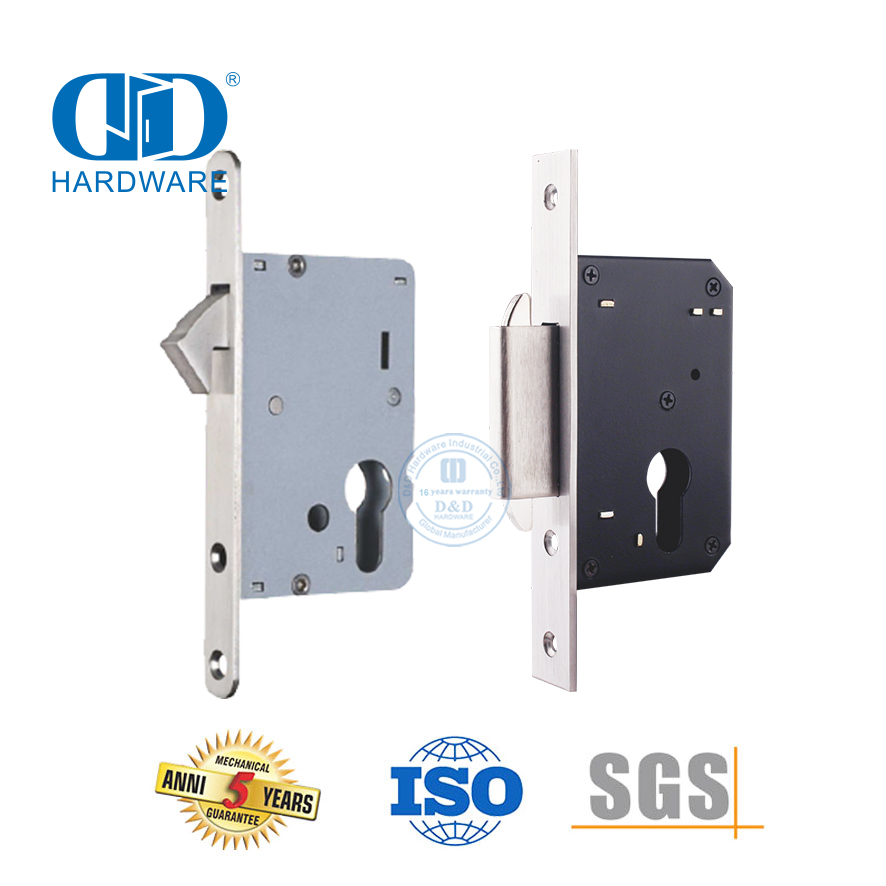
Even with a good-quality lock, there are ways to make it even more secure. Small upgrades can significantly improve resistance against forced entry.
The strike plate is the metal plate attached to the door frame where the latch or deadbolt extends. A weak strike plate can easily be kicked in.
● Use reinforced strike plates with extra-long screws (at least 3 inches) that anchor deeper into the wall stud rather than just the door frame. This prevents the strike plate from being dislodged under pressure.
Door reinforcement locks, such as door chains or horizontal security bars, provide an extra layer of security by preventing forced entry even if the primary lock fails. These are especially useful on front and back doors.
Intruders often exploit gaps between a door and its frame. Use weatherstripping or a door jamb shield to fill any gaps and make it harder for someone to forcefully pry open the door.
Most front doors come with short screws (less than an inch), which are easy to break under force. Upgrade to 3-inch screws for the hinges and strike plate to make your lock significantly harder to bypass.
A secure lock should be complemented by a sturdy door handle. Choose handles with tamper-resistant features and pair them with your lock for maximum security.

If you want to take home security to the next level, consider these advanced measures.
A strong lock is only part of the equation; the door it’s attached to must also be robust. If you’re using a hollow-core door, consider upgrading to a solid wood or metal-reinforced door.
A door security bar or brace wedges between the floor and your door to provide additional resistance during an attempted break-in. Security bars are adjustable and work well for doors made from a variety of materials.
Knowing who’s at your door before you answer is an overlooked yet essential security measure. Adding a peephole or a video doorbell (like Ring or Nest Hello) adds an extra layer of security by letting you monitor visitors at your door.
Keyless entry locks eliminate concerns about misplaced keys. With advanced features like anti-tampering technology and temporary passwords, keyless locks elevate your home security.
A well-lit area around your door discourages intruders, making it much harder for someone to approach undetected. Install motion-sensor lights near entry points for added security.
Keeping your locks in good condition helps prevent problems in the long run. Regular maintenance extends the life of your lock and ensures it functions as intended.
Over time, locks can become stiff or jammed. Lubricate with a graphite-based lubricant or silicone spray to keep the internal components functioning smoothly.
Worn mechanisms or loose screws can weaken the security of your lock. Inspect your door lock regularly and address any issues promptly.
If you’ve recently moved into a new home, ensure only you have access to the property by rekeying the currently installed locks. This involves altering the lock mechanism so old keys no longer work.
While many of the enhancements above are DIY-friendly, certain upgrades or replacements require professional help.
Call a locksmith if:
● You’re unsure about how to install a new deadbolt.
● You want to upgrade locks to high-security or smart systems.
● You need advice on the best locks for your specific needs and door type.
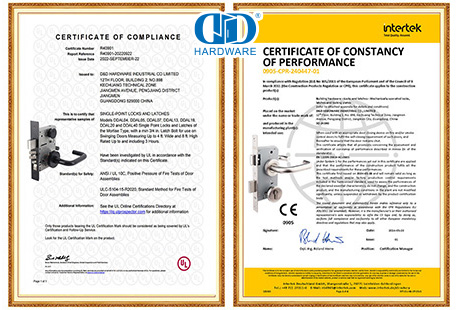
CE Door Lock-BS EN12209 200,000 cycles test, EN1634 Fire Rated 111mins/260mins, EN1670 Corrosion Resistance 240 hours.
UL Door Lock-UL 10C Fire Rated 3 Hours,File No.R40901
A secure lock is fundamental to protecting your home and loved ones. Whether it’s upgrading to a high-security deadbolt, reinforcing your existing locks, or getting professional advice, there’s always room to optimize your home’s first line of defense.
By taking these steps to secure your door lock, you can reduce the risk of break-ins and enjoy greater peace of mind. Don’t underestimate the importance of proactive measures when it comes to your safety.
Click here for additional details on door locks.
Now contact us.
Contact information for David Jian
Contact number: 0086-139 2903 7292
Email address: sales@danddhardware.com


