
Certified for Safety. Trusted by Leaders Worldwide.
Pls inquire to sales@danddhardware.com
\\: +86 139 2903 7292

 English
 Author: D&D Hardware Publish Time: 2025-12-26 Origin: D&D HARDWARE


Hospitals and medical buildings are among the most safety-sensitive environments in the built environment. Unlike offices or hotels, healthcare facilities operate 24/7, accommodate patients with limited mobility, and rely on complex evacuation and compartmentation strategies rather than rapid full-building evacuation.
In this context, fire-rated door hardware is not simply a regulatory requirement—it is a life-protection system. Properly selected and certified hardware helps contain fire and smoke, protects evacuation routes, and allows medical staff to safely relocate patients during emergencies.
This article explains the fire-rated door hardware requirements for hospitals and medical buildings from an application perspective, focusing on CE and UL compliance, durability, hygiene, and real-world healthcare use cases.

Healthcare buildings present unique fire safety challenges:
*Patients may be bedridden, elderly, or under anesthesia
*Evacuation is often horizontal (room-to-room or zone-to-zone) rather than vertical
*Medical equipment and oxygen systems increase fire risk
*Staff must maintain continuous access and control during emergencies
As a result, hospital fire safety design emphasizes:
*Fire compartmentation to slow fire and smoke spread
*Self-closing, self-latching fire doors in corridors and patient areas
*Hardware that remains functional under high temperature and frequent use
Fire-rated door hardware is essential to maintaining these safety strategies.

Hospitals are typically subject to stricter inspection and certification standards than other commercial buildings. Door hardware must meet both fire performance and durability requirements.

Key CE standards applied in healthcare projects include:
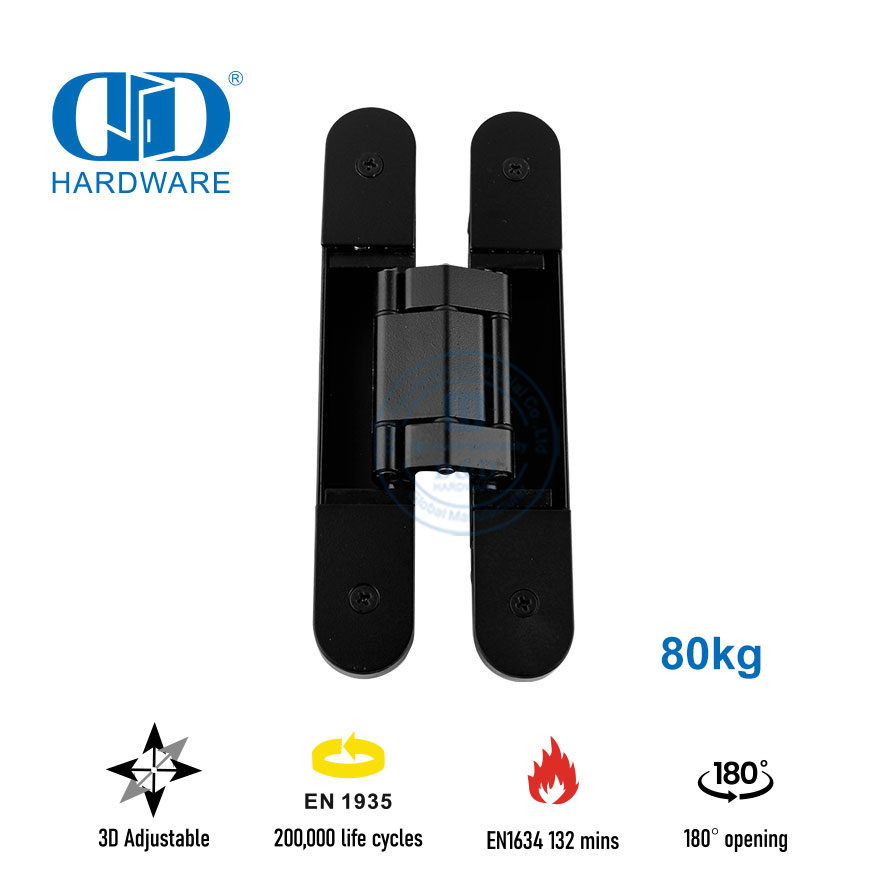
*EN 1935 – Fire-rated and heavy-duty door hinges

*EN 12209 – Fire-rated mortise locks


*EN 1154 – Controlled door closers


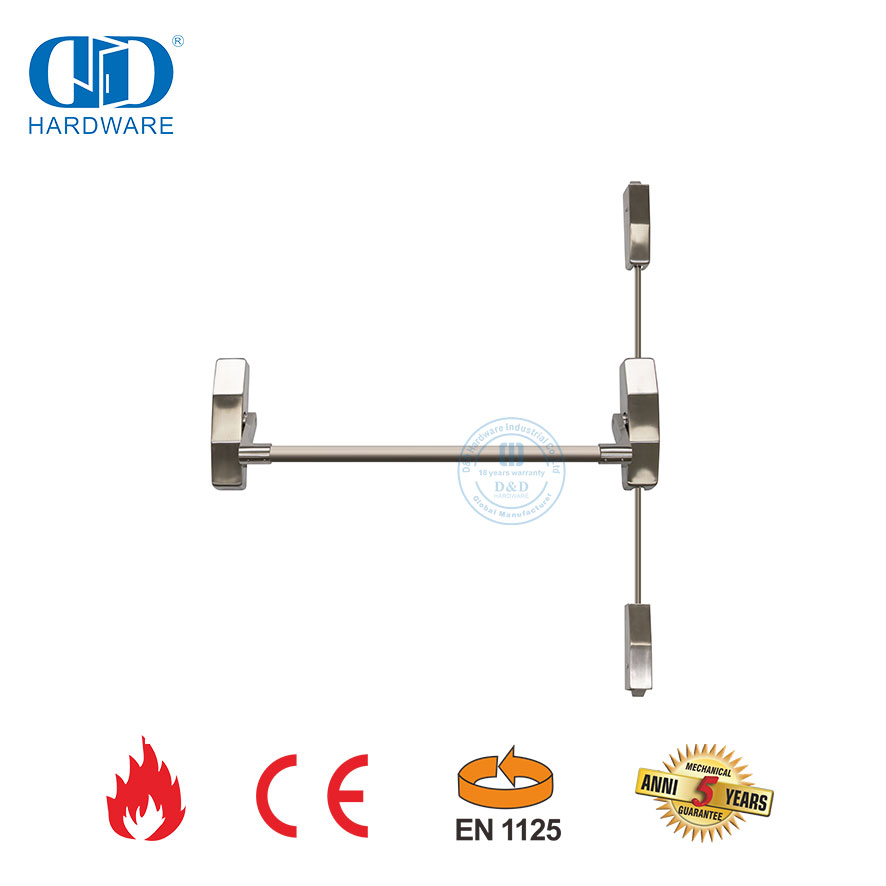
*EN 1125 – Panic and emergency exit hardware
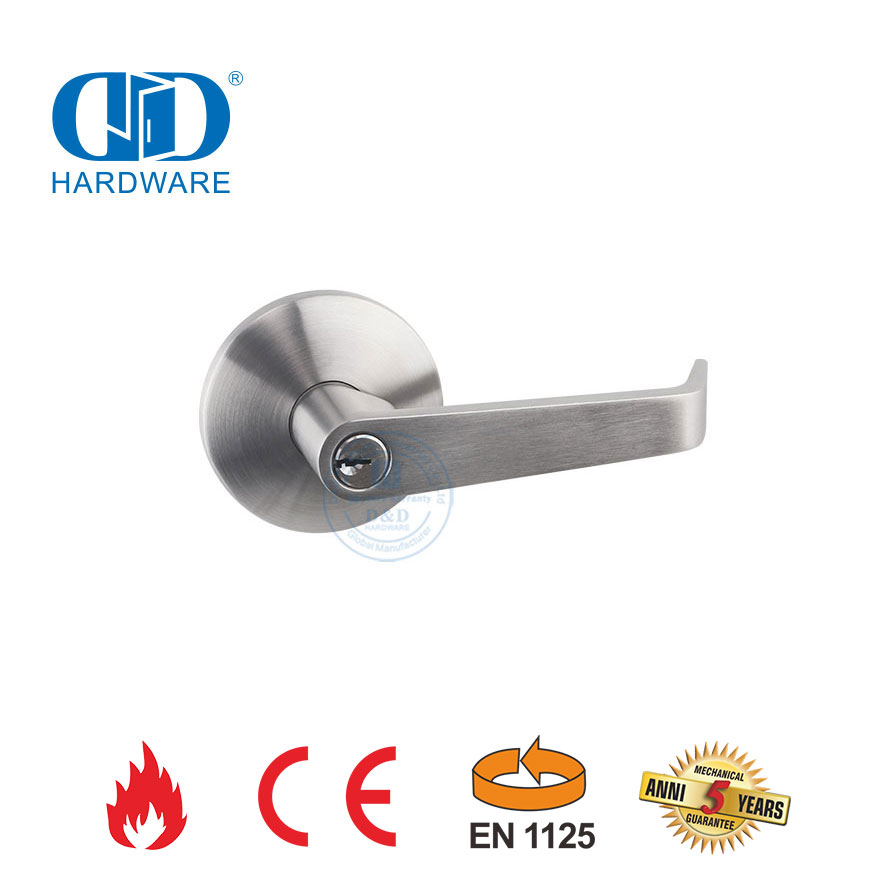
*EN 1303 / EN1906 – Lock cylinder and door lever handle


CE-certified hardware ensures consistent mechanical performance, fire resistance compatibility, and long-term reliability.
For UL-regulated projects, hospital doors commonly require:
*UL 10C fire-resistance-rated door assemblies
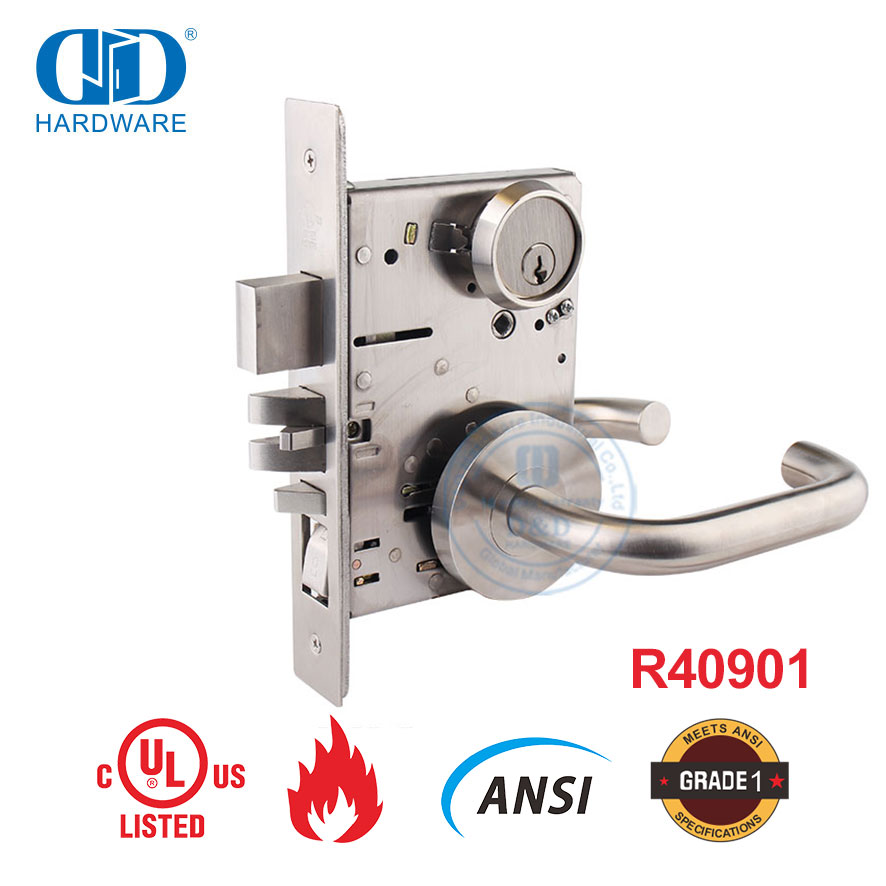
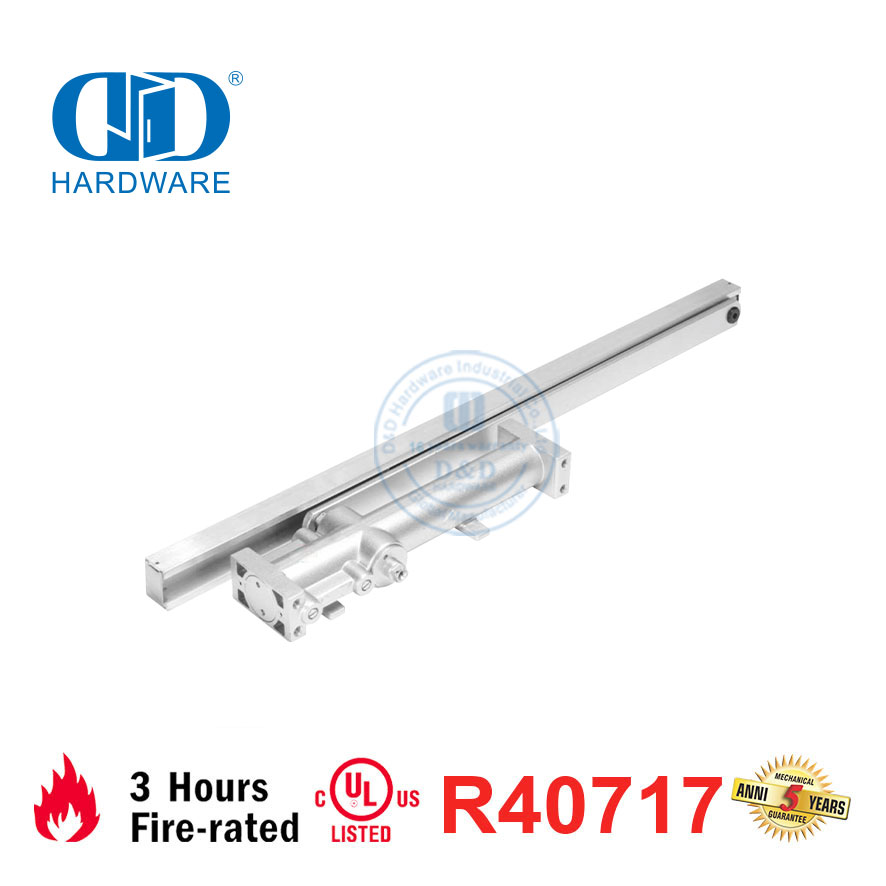
*UL-listed hinges, locks, and door closers

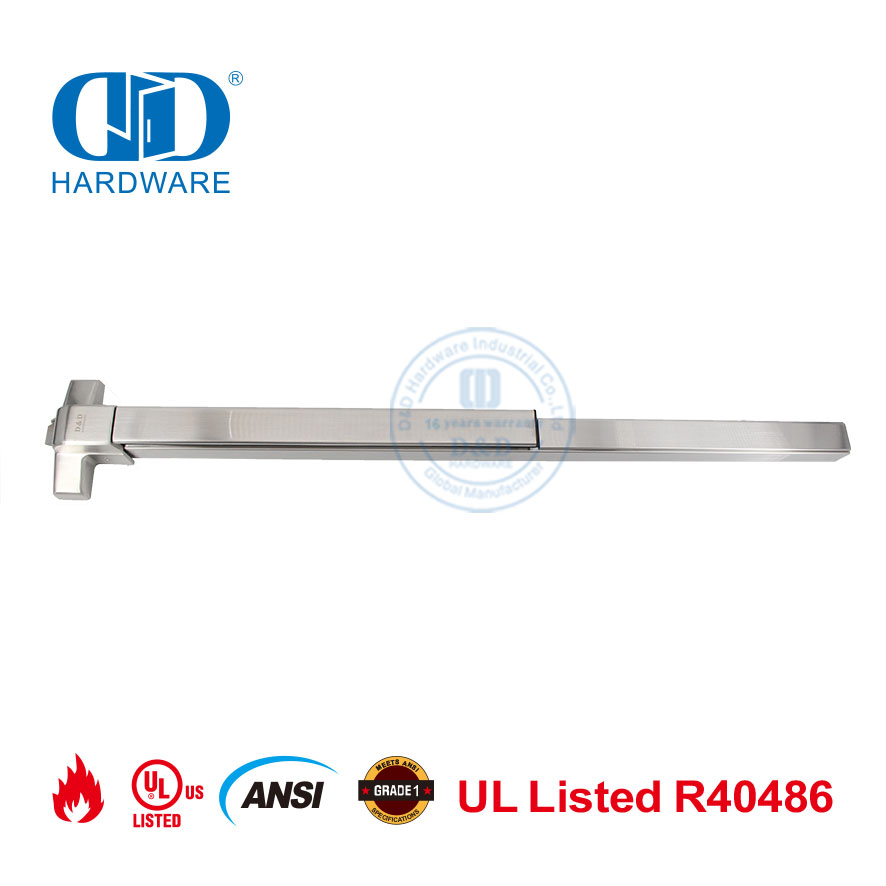
*UL 305 panic exit devices where required

All components must be approved for use on fire-rated door assemblies. Mixing certified and non-certified hardware can result in inspection failure.

Patient room doors must balance fire safety, quiet operation, accessibility, and hygiene.
Recommended hinge features:
*EN 1935 Grade 13 or UL fire-rated hinges
*High load capacity for fire-rated or lead-lined doors
*Ball bearing construction for smooth, low-noise movement
*Tested for 200,000–500,000 cycles or more
These hinges ensure proper door alignment and reliable self-closing performance over time.
Hospital locks must provide security without restricting emergency access.
Recommended lock solutions include:
*Fire-rated mortise locks (EN 12209 / UL listed)
*Hospital-function locks allowing staff override
*Compatibility with access control or nurse call systems
Positive latching is essential to maintain fire compartment integrity.
Door closers are mandatory on most hospital fire doors.
Key requirements:
*CE EN 1154 / UL fire-rated certification
*Adjustable closing and latching speeds
*Quiet operation to reduce patient disturbance
*Reliable closing even with air pressure differentials
In some areas, delayed-action closers are used to improve accessibility for beds and wheelchairs, where permitted by code.
Medical buildings demand hardware that can withstand aggressive cleaning protocols and humid environments.
*Frequent disinfection with chemical cleaners
*High humidity in operating rooms and wash areas
*Risk of corrosion affecting performance and hygiene
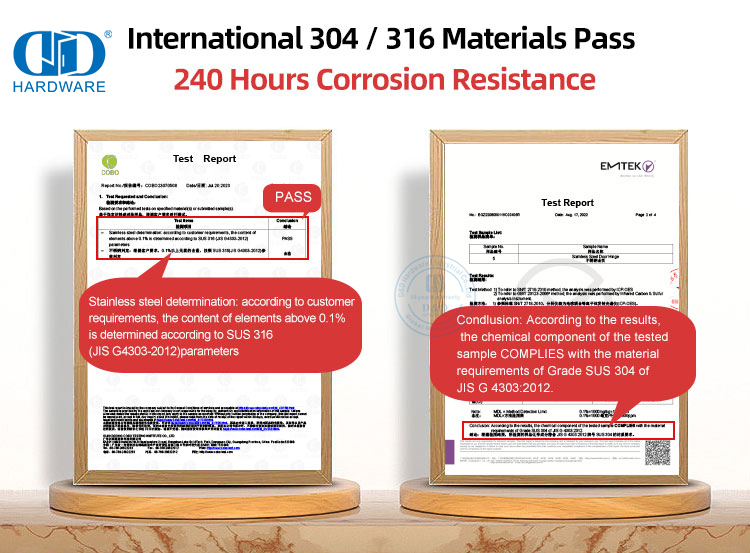
*Stainless steel (304 / 316) for superior corrosion resistance
*Smooth, non-porous surfaces for easy cleaning
*Anti-bacterial or satin finishes to reduce fingerprints
Corrosion-resistant fire-rated hardware ensures long service life, consistent performance, and compliance with hygiene standards.

Application: Patient room and corridor doors
Solution:
*EN 1935 Grade 13 fire-rated hinges
*EN 12209 fire-rated mortise locks with staff override
*EN 1154 door closers with soft closing
Result: Quiet operation, reliable fire compartmentation, and reduced maintenance issues.
Application: High-risk medical zones
Solution:
*UL-listed fire-rated door assemblies
*Stainless steel fire-rated hardware
*Heavy-duty door closers for pressure control
Result: Enhanced safety under strict hygiene and inspection requirements.
Application: Emergency evacuation routes
Solution:
*UL 305 panic exit devices
*Fire-rated hinges and closers
*Self-latching fire door systems
Result: Reliable evacuation paths meeting hospital fire codes.
Fire-rated door hardware is a core safety component in hospitals and medical buildings. By selecting CE and UL certified hinges, locks, and door closers, healthcare facilities can ensure:
*Effective fire and smoke containment
*Safe patient relocation and evacuation
*Quiet, reliable operation in sensitive environments
*Long-term durability under intensive cleaning and usage
From patient rooms to critical fire exits, properly specified fire-rated hospital door hardware protects lives, supports medical staff, and ensures regulatory compliance.
Click here for additional details on fire rated door hardware.
Now contact us.
Contact information for David Jian
Contact number: 0086-139 2903 7292
Email address: sales@danddhardware.com


