
Certified for Safety. Trusted by Leaders Worldwide.
Pls inquire to sales@danddhardware.com
\\: +86 139 2903 7292

 English
 Author: D&D Hardware Publish Time: 2025-12-29 Origin: D&D HARDWARE


Airports and transportation hubs are among the most demanding public buildings in the world. Operating 24/7 with extremely high passenger flow, these facilities require door hardware solutions that deliver safety, durability, smooth traffic flow, and regulatory compliance—all while maintaining a professional and welcoming appearance.
From terminal entrances and security zones to fire exits, service corridors, and staff-only areas, door hardware in airports and transport hubs directly affects passenger experience, operational efficiency, and life safety.

Compared to standard commercial buildings, transportation facilities face unique challenges:
*Extremely high usage cycles (thousands of operations per day)
*Strict fire and life-safety regulations
*Complex zoning (public, restricted, and emergency areas)
*Large, heavy doors including fire-rated and security doors
*Need for smooth, intuitive passenger flow
Door hardware must be selected not only for strength and certification, but also for reliability under constant stress.

Fire safety is a core requirement in all transportation hubs, where rapid evacuation and smoke control are critical.
•Terminal corridors
•Stairwells and vertical evacuation routes
•Baggage handling and service areas
•Underground metro and rail connections
•Fire-rated door hinges (CE EN 1935 / UL 10C)
•Fire-rated mortise locks (CE EN 12209 / UL 10C)
•Fire-rated door closers (CE EN 1154 / UL 10C)
•UL-listed panic exit devices for emergency exits (CE EN 1125 / UL 10C)
•Fire-rated door handles and lock cylinder (BS EN1906 / BS EN1303)
All fire door hardware must be tested as part of a complete fire-rated door assembly to ensure compliance and inspection approval.

Airport doors are often oversized, reinforced, and continuously used, especially in terminal entrances and service zones.


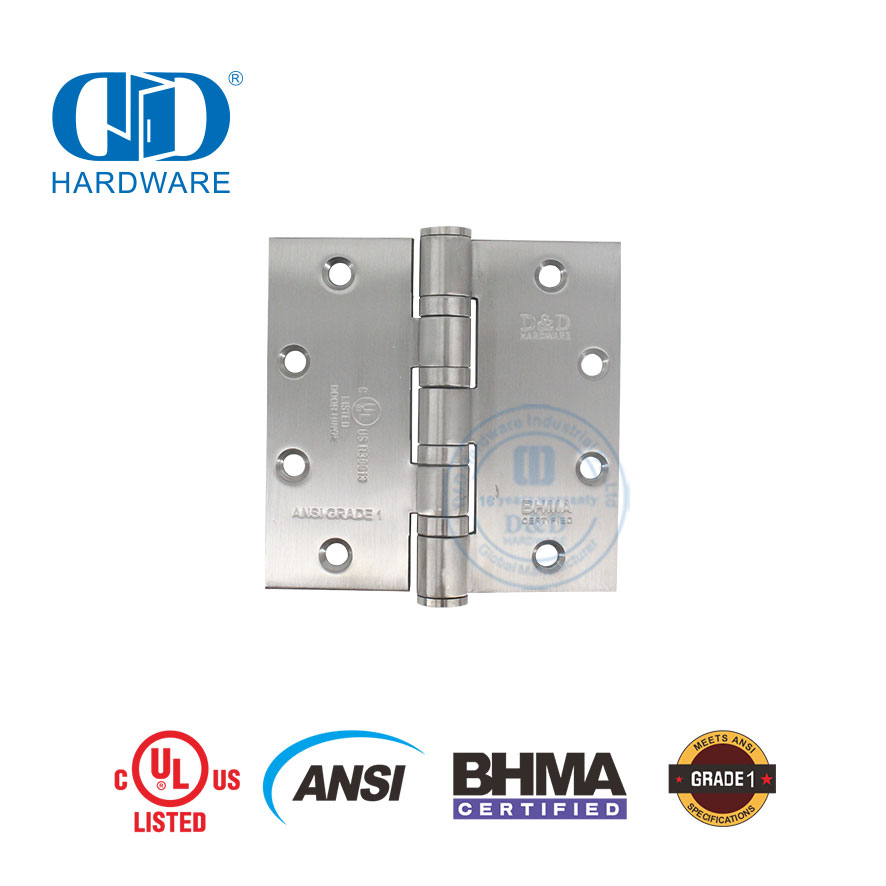
•Heavy-duty or Grade 13 hinges for maximum load capacity
•Tested for 200,000–2,500,000 cycles or more
•Ball bearing construction for smooth operation
•Materials such as stainless steel or reinforced carbon steel
High-performance hinges help prevent door sagging, alignment issues, and premature failure in high-traffic environments.
Door closers play a key role in crowd management, fire safety, and energy efficiency in airports.
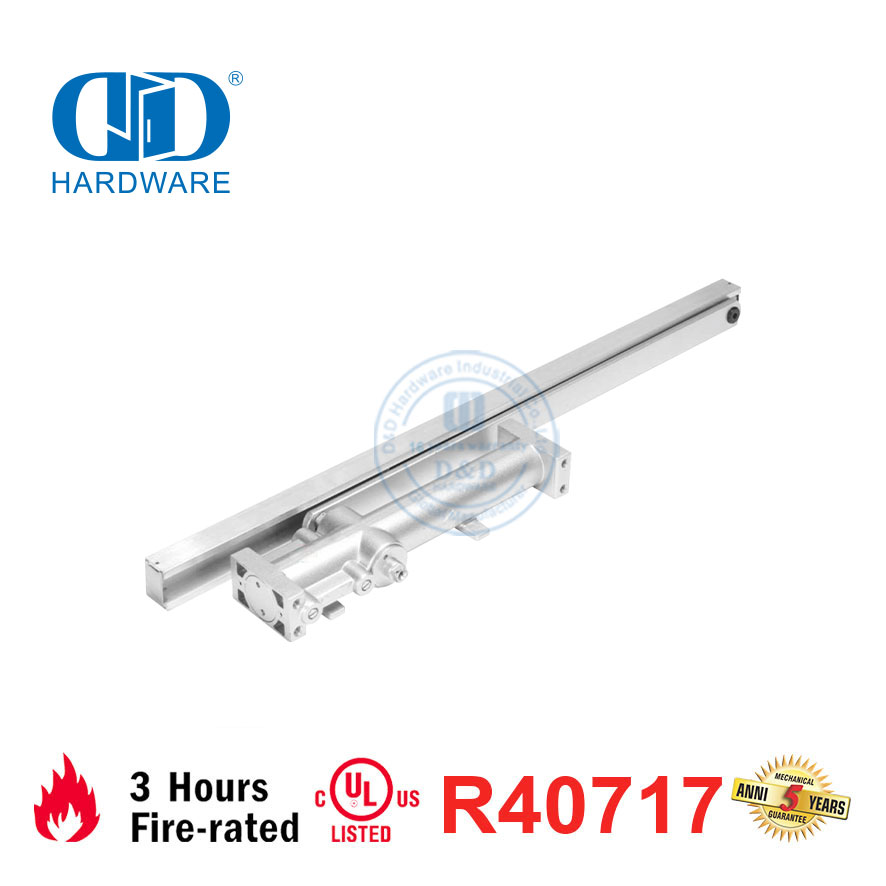

•Fire doors in corridors and stairwells
•Main terminal doors
•Security-controlled access points
•Back-of-house service areas
•Heavy-duty fire-rated door closers (CE EN 1154 / UL 10C)
•Adjustable closing and latching speed
•Controlled closing under air pressure differences
•Compatibility with automatic and access-control systems
Properly adjusted door closers prevent door slamming, reduce noise, and ensure reliable self-closing during emergencies.
Airports and transport hubs rely on strict access zoning to separate public passengers from restricted operational areas.
•Staff-only corridors
•Security checkpoints
•Control rooms and technical spaces
•Baggage handling and maintenance zones
•Commercial mortise locks compatible with access control
•Electric strikes and electromagnetic locks (where permitted)
•Panic exit devices with alarm functions
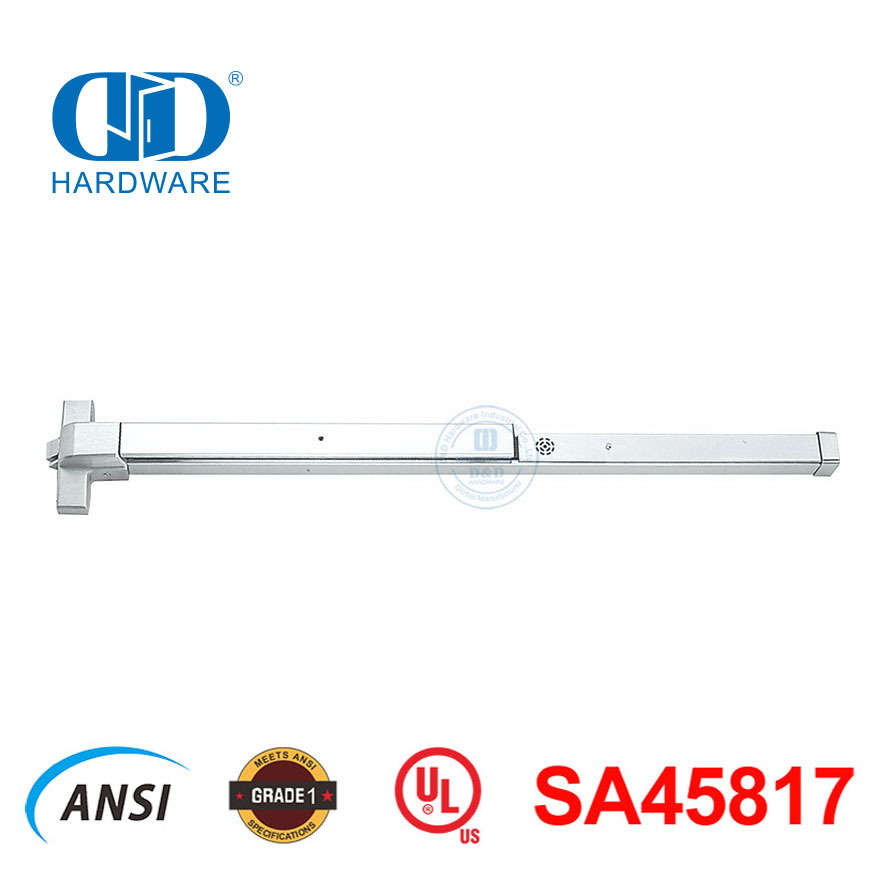

•Fire-rated hardware that maintains egress compliance
All security hardware must support safe, unobstructed egress even in locked or controlled areas.
Transportation hubs are exposed to diverse environmental conditions, including humidity, temperature changes, and frequent cleaning.
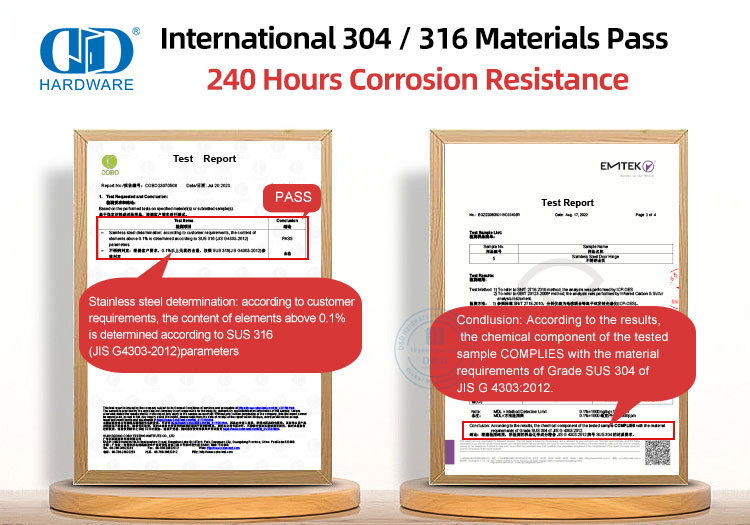
•Stainless steel hardware for corrosion resistance
•Anti-fingerprint or satin finishes for public areas
•Durable coatings for service and underground zones
Corrosion-resistant door hardware ensures consistent performance, reduces maintenance costs, and preserves a clean, professional appearance.

Application: Public corridors and fire exits
Solution:
•CE & UL fire-rated hinges and door closers
•UL-listed panic exit devices
•Heavy-duty stainless steel hardware
Result: Safe evacuation routes and smooth passenger flow under peak traffic.
Application: Underground access doors and service areas
Solution:
•Corrosion-resistant fire-rated hardware
•Heavy-duty hinges for reinforced doors
•Controlled door closers
Result: Reliable operation in harsh environments with reduced maintenance.
Application: Staff-only and security-controlled areas
Solution:
•Access-control compatible mortise locks
•Fire-rated door hardware systems
•Alarmed panic exit devices
Result: Enhanced security while maintaining full life-safety compliance.
Even when certified products are specified, airport door hardware failures still occur due to incorrect selection, installation, or maintenance. Understanding common failure points helps project teams avoid costly repairs, safety risks, and inspection issues.
Issue: Using standard commercial hinges instead of heavy-duty or Grade 13 hinges on large terminal or fire-rated doors.
Result:
•Door sagging and misalignment
•Difficulty in closing and latching
•Premature hinge wear and noise complaints
Best Practice: Always select EN 1935 Grade 13 or UL fire-rated heavy-duty hinges for airport applications, especially on oversized or reinforced doors.
Issue: Installing standard door closers on doors connected to pressurized zones, tunnels, or stairwells.
Result:
•Doors failing to fully close
•Fire doors not latching during emergencies
•Increased maintenance and adjustment frequency
Best Practice: Use heavy-duty, fire-rated door closers designed to operate reliably under air pressure differentials common in airports.
Issue: Fire-rated doors fitted with non-certified accessories such as viewers, trims, or replacement locks.
Result:
•Fire door certification becomes invalid
•Failure during fire inspection or authority approval
•Increased legal and liability risk
Best Practice: Ensure all components on a fire door assembly are CE and/or UL certified and approved for fire-rated use.
Issue: Access control locks or electric strikes installed without proper coordination with panic hardware or fire exit requirements.
Result:
•Obstructed or delayed emergency egress
•Non-compliance with fire and life-safety codes
•Emergency system conflicts during power failure
Best Practice: Select access-control compatible fire-rated mortise locks and panic devices that guarantee free egress at all times.
Issue: Using low-grade materials or finishes in areas exposed to humidity, cleaning chemicals, or underground environments.
Result:
•Corrosion and surface degradation
•Reduced hardware lifespan
•Poor appearance in public passenger areas
Best Practice: Specify stainless steel door hardware with corrosion-resistant finishes for terminals, underground stations, and service areas.
Issue: Certified hardware installed incorrectly or left without periodic inspection.
Result:
•Reduced fire performance
•Increased operational failures during peak traffic
•Higher long-term replacement costs
Best Practice: Combine certified products, correct installation, and scheduled maintenance to ensure long-term reliability in airport environments.
Door hardware solutions for airports and transportation hubs must deliver exceptional durability, certified fire safety, and seamless operation under extreme usage conditions. By selecting CE and UL certified fire-rated hinges, locks, door closers, and panic hardware, project stakeholders can ensure:
•Safe and efficient passenger movement
•Reliable fire containment and evacuation
•Long-term operational performance
•Compliance with international safety standards
From terminals to tunnels, properly specified door hardware is a critical foundation of safe and efficient transportation infrastructure.
Click here for additional details on fire rated door hardware.
Now contact us.
Contact information for David Jian
Contact number: 0086-139 2903 7292
Email address: sales@danddhardware.com


