
Certified for Safety. Trusted by Leaders Worldwide.
Pls inquire to sales@danddhardware.com
\\: +86 139 2903 7292

 English
 Author: D&D Hardware Publish Time: 2026-01-27 Origin: D&D HARDWARE


Securing a business isn't quite the same as securing a home. While a residential deadbolt might be enough to protect a garage or back door, commercial environments face higher traffic volume, stricter fire code regulations, and unique security threats that demand specialized hardware. Choosing the right commercial door lock is the first line of defense for offices, retail spaces, healthcare facilities, and government buildings.
However, navigating the sheer variety of locking mechanisms available can feel overwhelming. From heavy-duty mortise locks designed for high-traffic entrances to sophisticated smart locks for controlled access, the options are vast. Understanding the specific functions, durability ratings, and ideal applications for each type is essential for any building manager or business owner.
This guide breaks down the different types of commercial door locks available on the market today. We will explore their specific features, where they work best, and how to choose the right solution to balance security, convenience, and compliance for your commercial building.

There isn't a "one size fits all" solution for commercial security. The right lock depends on the door material (wood, metal, or glass), the level of traffic, and the security requirements of the specific area. Below is a breakdown of the most widely used commercial door lock types.
Mortise locks are widely considered the gold standard for commercial security. Unlike surface-mounted locks, a mortise lock requires a pocket (the "mortise") to be cut into the edge of the door, allowing the lock body to slide inside. This design provides superior strength against forced entry because the lock is integrated into the door structure itself.
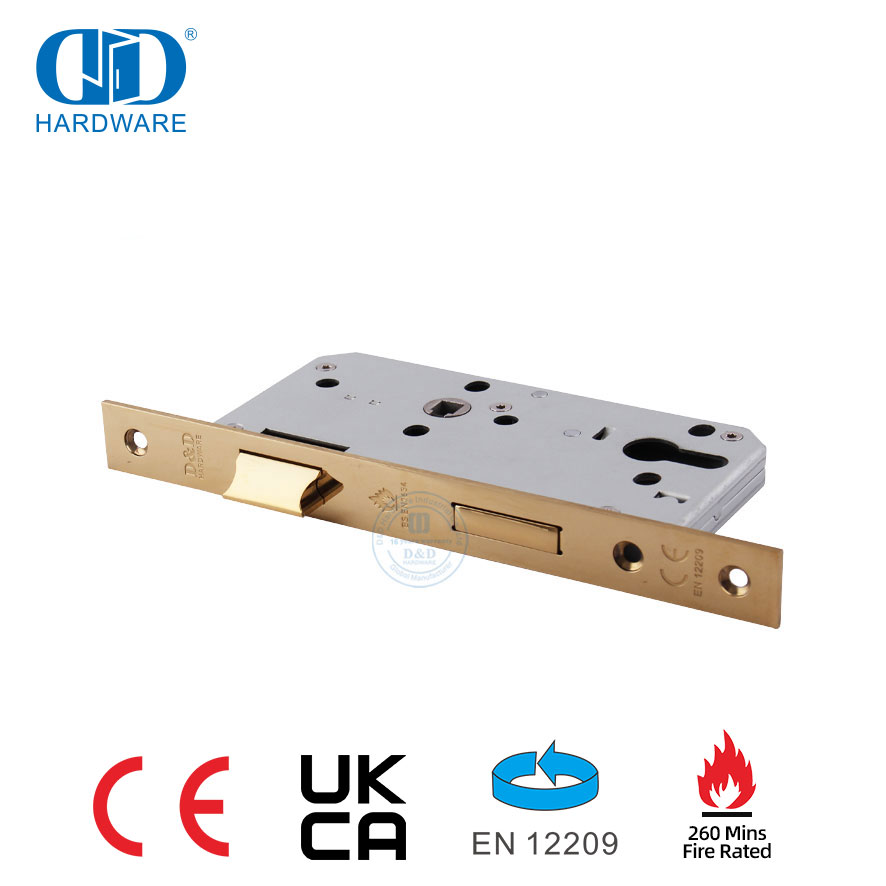
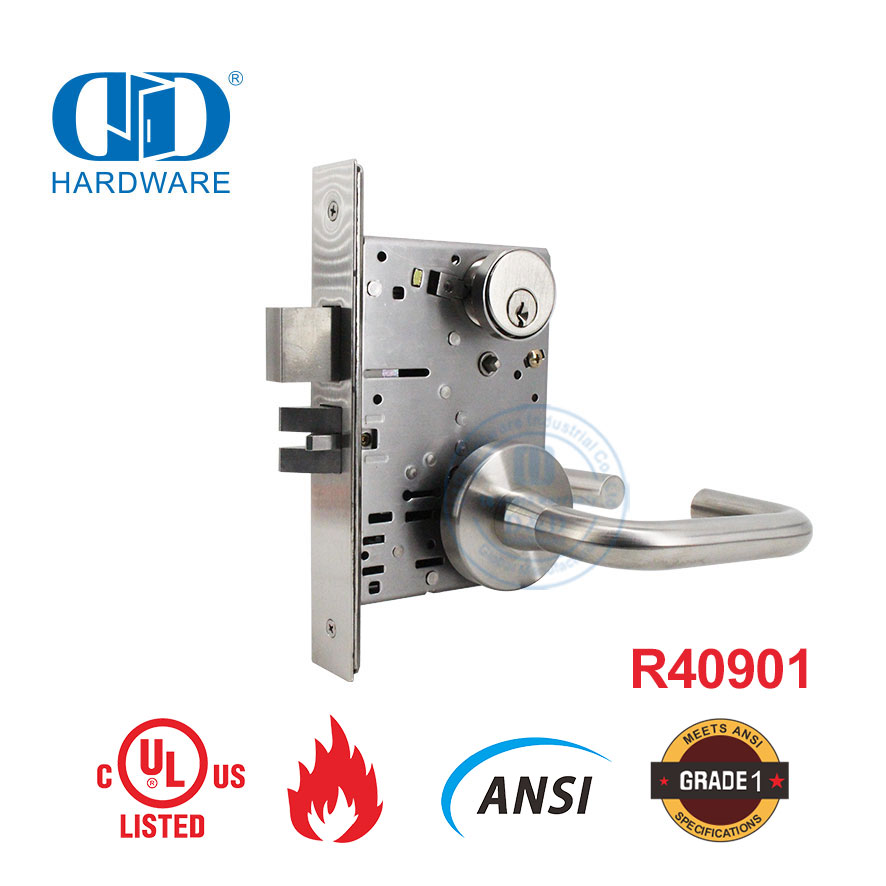
These locks are incredibly durable and are designed to withstand the heavy use typical of schools, hospitals, and busy office buildings. They often feature a wide range of functions, from classroom security to storeroom access, and are available in varying grades (such as ANSI Grade 1 for the highest security).
✔️ Door Lock-BS EN12209 200,000 cycles test, EN1634 Fire Rated 111mins/260mins, EN1670 Corrosion Resistance 240 hours.
✔️ Door Lock-UL 10C Fire Rated 3 Hours,File No.R40901
Best used for: High-traffic exterior doors, heavy-duty corridor doors, and areas requiring maximum security and durability.
Cylindrical locks are the most common type of lock found in both residential and commercial settings due to their ease of installation. Two holes are bored into the door: one through the face for the lock chassis and one through the edge for the latch bolt.
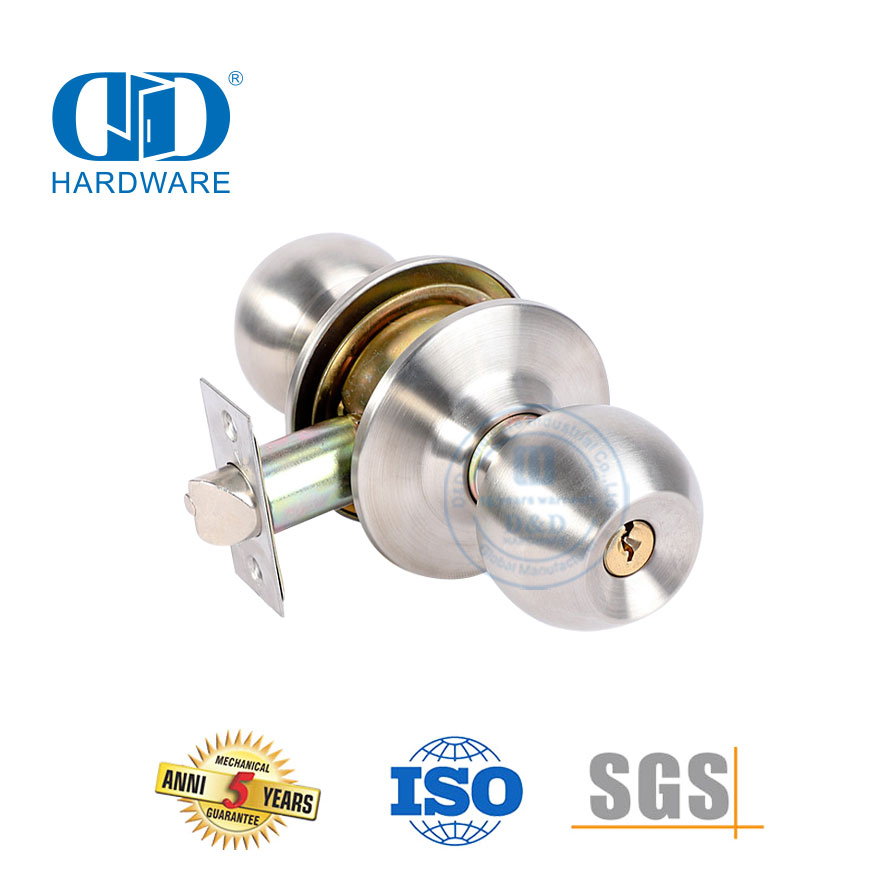
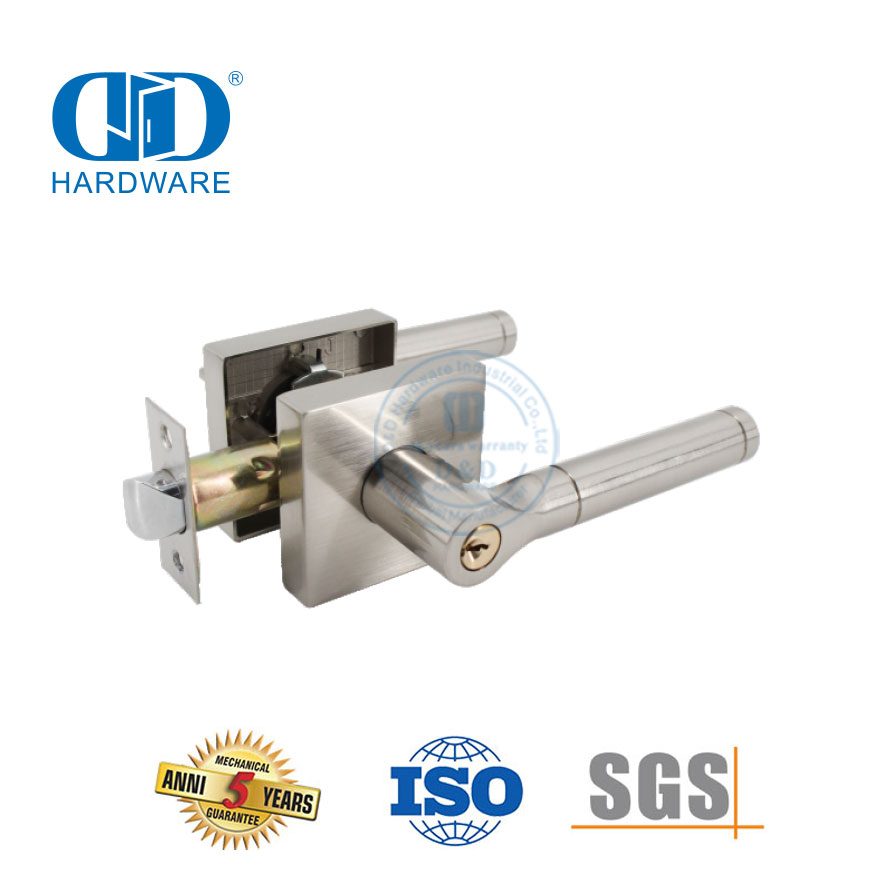
While generally less expensive and easier to install than mortise locks, high-quality cylindrical locks (specifically Grade 1 lever sets) are still robust enough for many commercial applications. They are often used on interior office doors or areas with medium traffic.
Best used for: Interior offices, supply closets, and medium-traffic commercial entrances.
A door lock for commercial building applications often requires a secondary layer of security, which is where the deadbolt comes in. Commercial deadbolts function similarly to residential ones but are built with heavier materials and tighter tolerances to resist prying, sawing, and kicking.


Deadbolts are usually installed as an auxiliary lock above a doorknob or lever handle. They provide excellent protection against physical attacks but do not offer the self-latching convenience required for high-traffic passage doors.
Best used for: Back doors, retail storefronts, and any door requiring an extra layer of overnight security.
Safety is just as important as security. Panic bars (also known as crash bars or exit devices) are legally required in many commercial buildings to comply with fire and life safety codes. These horizontal bars allow occupants to unlock and open a door from the inside simply by pressing against the bar, ensuring a swift exit during an emergency.
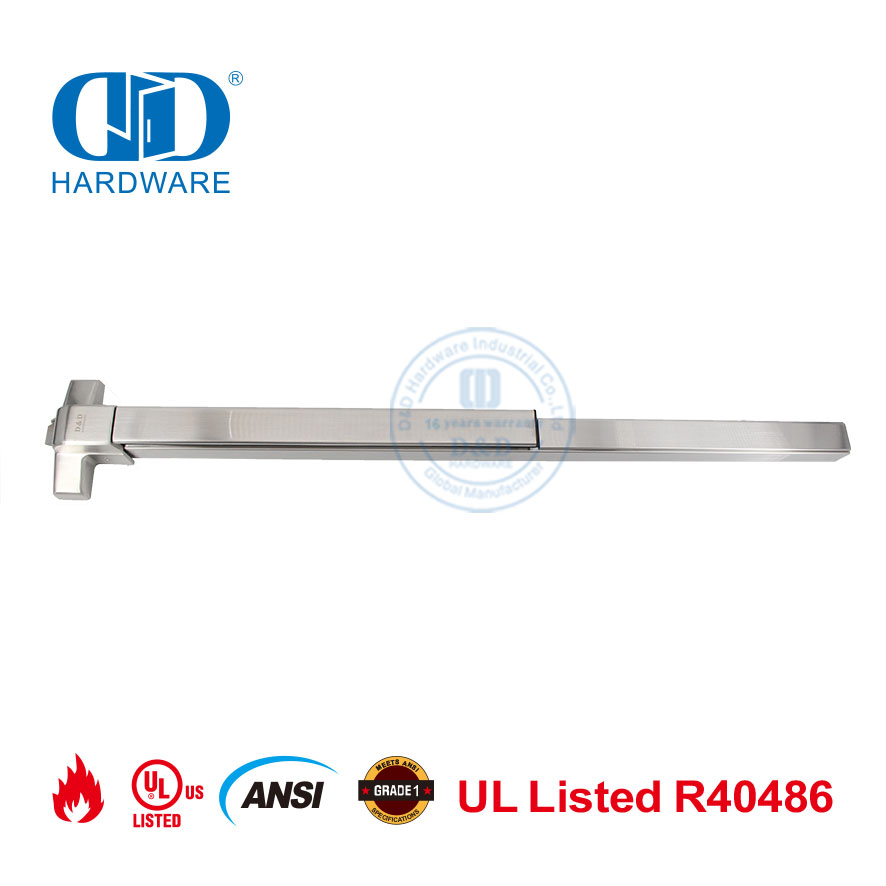
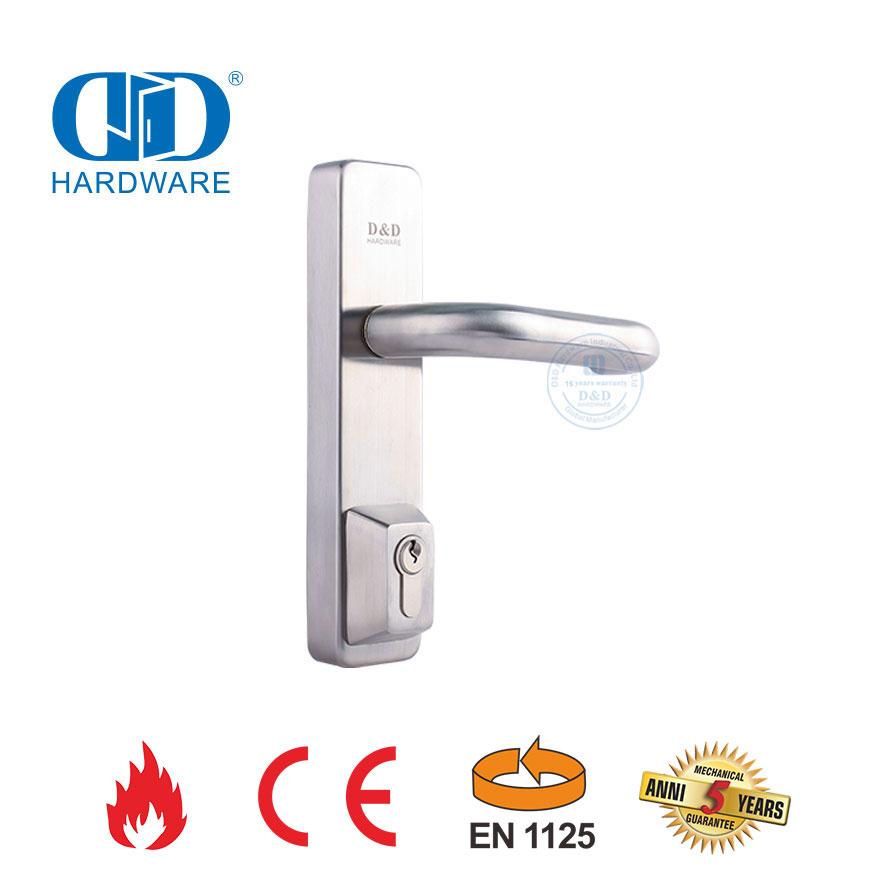
While primarily designed for egress, they can be equipped with exterior trim (handles or cylinders) to allow keyed entry from the outside.
✔️ Panic Exit Device-BS EN1125 200,000 cycles test, EN1634 Fire Rated 132/240mins, EN1670 Corrosion Resistance 240 hours.
✔️ Fire Exit Hardware- UL 10C Fire Rated 3 Hours, File No.R40486
✔️ Panic Hardware-UL305, File No.SA45817
Best used for: Emergency exits, assembly halls, auditorium doors, and main entrances in large commercial buildings.
As technology advances, many businesses are moving away from physical keys entirely. Electronic commercial locks utilize keypads, RFID cards, biometrics (fingerprints), or Bluetooth connections to grant access.
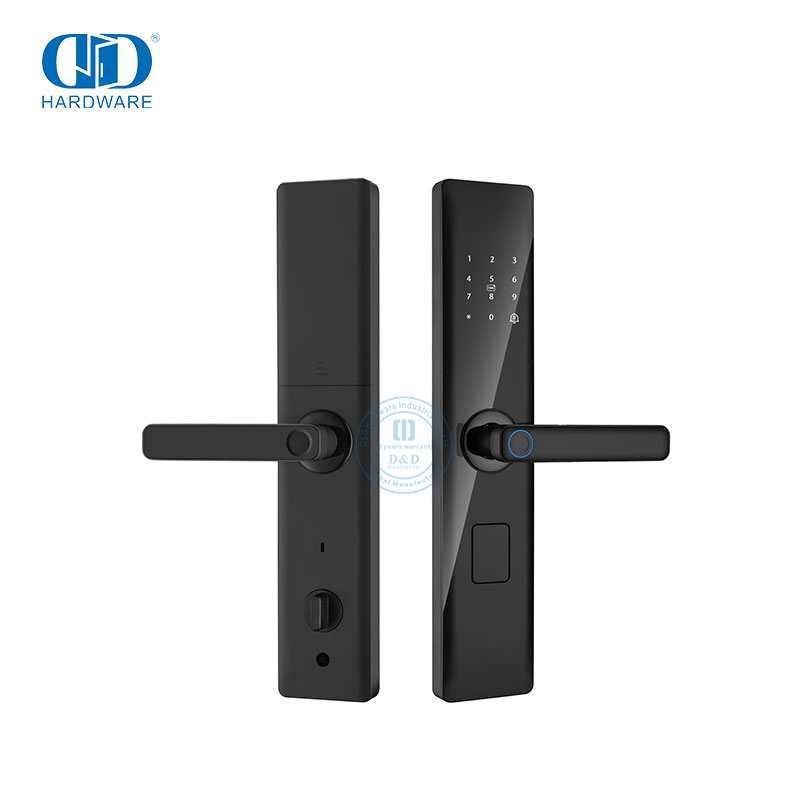
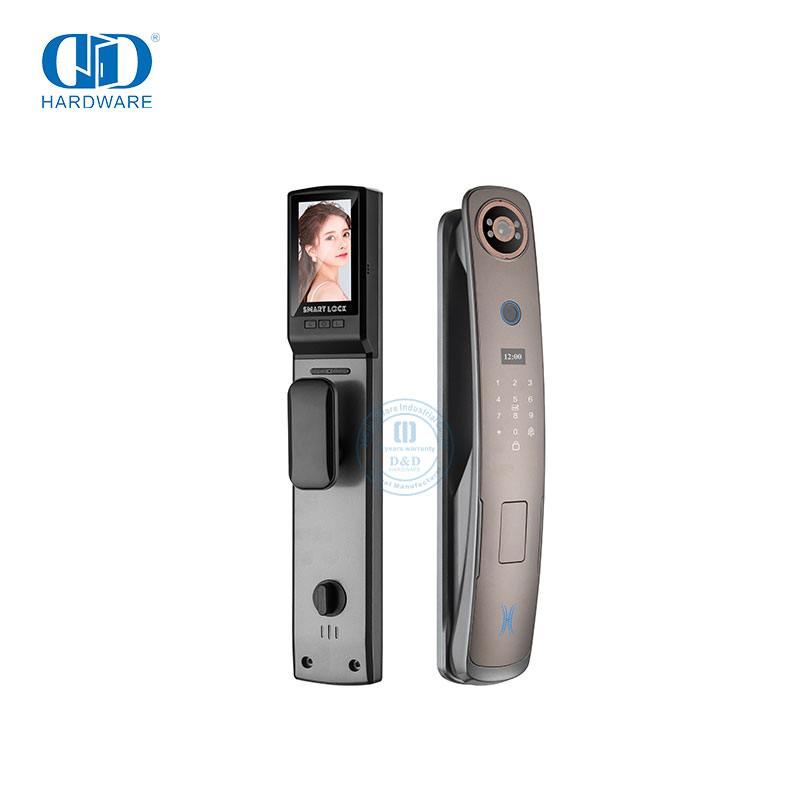
These systems offer significant advantages for commercial door lock management. If an employee leaves or loses their credential, access can be revoked instantly without the need to rekey the entire building. They also provide audit trails, allowing managers to see exactly who entered a door and when.
Best used for: Server rooms, executive offices, employee entrances, and areas requiring tracked access.
Retail spaces and modern offices often utilize frameless glass doors for aesthetic appeal. Since these doors cannot accommodate standard mortise or cylindrical locks, specialized glass door locks are required. These are often clamped onto the glass or installed into a patch fitting at the bottom or center of the door.


Best used for: Retail display cases, mall storefronts, and glass-walled conference rooms.
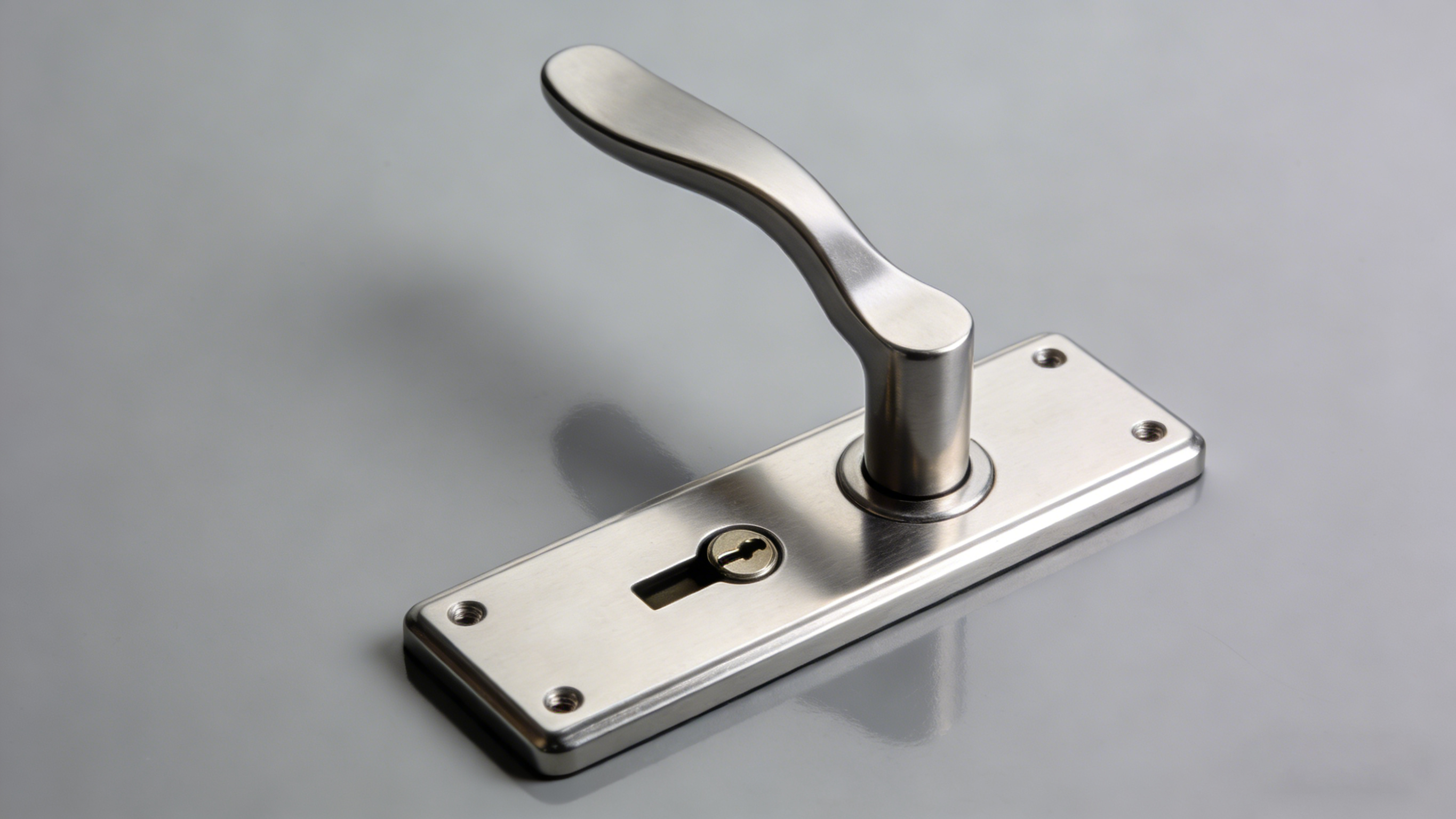
To help you decide which locking mechanism fits your specific needs, review the comparison table below.
Lock Type | Security Level | Durability | Installation Difficulty | Primary Application |
|---|---|---|---|---|
Mortise Lock | Very High | Excellent | High (Professional recommended) | High-traffic exterior/interior doors |
Cylindrical Lock | Medium to High | Good | Low to Medium | Interior offices, standard doors |
Deadbolt | High | High | Low | Auxiliary security for storefronts |
Panic Bar | Variable (Safety focus) | High | Medium | Emergency exits, large assembly areas |
Smart/Keyless | Customizable | Good | Medium | Controlled access areas |
Glass Door Lock | Medium | Medium | Medium | Retail storefronts, glass partitions |
Selecting the correct hardware involves more than just picking the most secure option. You must balance functionality, code compliance, and budget. Here are three key factors to consider.
How often is the door used? A main entrance to a busy office building might see thousands of cycles a day, whereas a utility closet might see two.
High Traffic: Opt for Grade 1 Mortise locks or heavy-duty Exit Devices.
Medium/Low Traffic: Grade 1 or Grade 2 Cylindrical locks are often sufficient.
Does the door need to be locked from both sides? Does it need to automatically latch every time it closes?
Restricted Areas: For server rooms or executive wings, consider smart locks with audit trails or high-security deadbolts.
Public Access: For front doors that need to remain unlocked during business hours but secured at night, a lock with a "hold-open" function or a specific cylinder function is necessary.
This is non-negotiable. Commercial buildings are subject to strict building codes (like ADA compliance and NFPA fire codes).
Egress: You typically cannot install a double-keyed deadbolt (which requires a key to exit) on a designated fire exit. Panic bars are often required for rooms holding a certain number of occupants.
Accessibility: Lever handles are generally required over round knobs to meet ADA standards for accessibility.

The security of your commercial building rests heavily on the quality and suitability of your door hardware. Whether you need the robust protection of a mortise lock, the life-saving functionality of a panic bar, or the modern convenience of a smart lock, understanding the different types of commercial door locks is the first step toward a safer environment.
When in doubt, always consult with hardware professionals to ensure your choices meet local building codes and security standards. Investing in the right hardware today prevents security breaches and costly replacements tomorrow.
For high-quality, certified commercial hardware solutions, visit D&D Hardware to explore a wide range of locks designed for safety and durability.
Click here for additional details on door locks.
Now contact us.
Contact information for David Jian
Contact number: 0086-139 2903 7292
Email address: sales@danddhardware.com


