
Certified for Safety. Trusted by Leaders Worldwide.
Pls inquire to sales@danddhardware.com
\\: +86 139 2903 7292

 English
 Author: D&D HARDWARE Publish Time: 2026-04-07 Origin: D&D Hardware


In hotel and hospitality projects, passive fire protection is a fundamental requirement that directly impacts guest safety, asset protection, and regulatory compliance. Unlike industrial or office buildings, hotels operate 24/7 with high occupant density, making fire-rated door systems a critical part of the building’s life safety strategy.
Within these systems, fire-rated door hardware plays a decisive role. Even if the door leaf and frame are properly rated, the overall performance can fail if the hardware components are not compliant, compatible, or correctly installed.
This article provides a practical, project-based selection guide for hotel owners, architects, door manufacturers, and contractors, focusing on how to configure reliable and compliant fire-rated door hardware solutions across different hospitality applications.

Hotel environments present a unique combination of operational, aesthetic, and regulatory challenges that directly influence door hardware selection.
Guest room doors, corridors, and service areas experience constant opening and closing. Hardware must withstand high cycle usage without performance degradation.
Guest comfort is a top priority. Door hardware must support quiet latching and smooth closing, especially in guest room corridors where noise complaints can affect customer satisfaction.
Hotels emphasize interior design. Hardware must align with architectural finishes, requiring concealed or visually refined solutions without compromising fire safety performance.
Unexpected hardware failure can disrupt operations and lead to negative guest experiences. Projects demand robust, low-maintenance solutions with long service life.
Hospitality buildings must comply with accessibility standards, requiring low operating force, ergonomic lever handles, and easy egress in emergency situations.

A compliant fire-rated door assembly in hotel projects is built on a system of certified mechanical components, each contributing to overall fire performance.
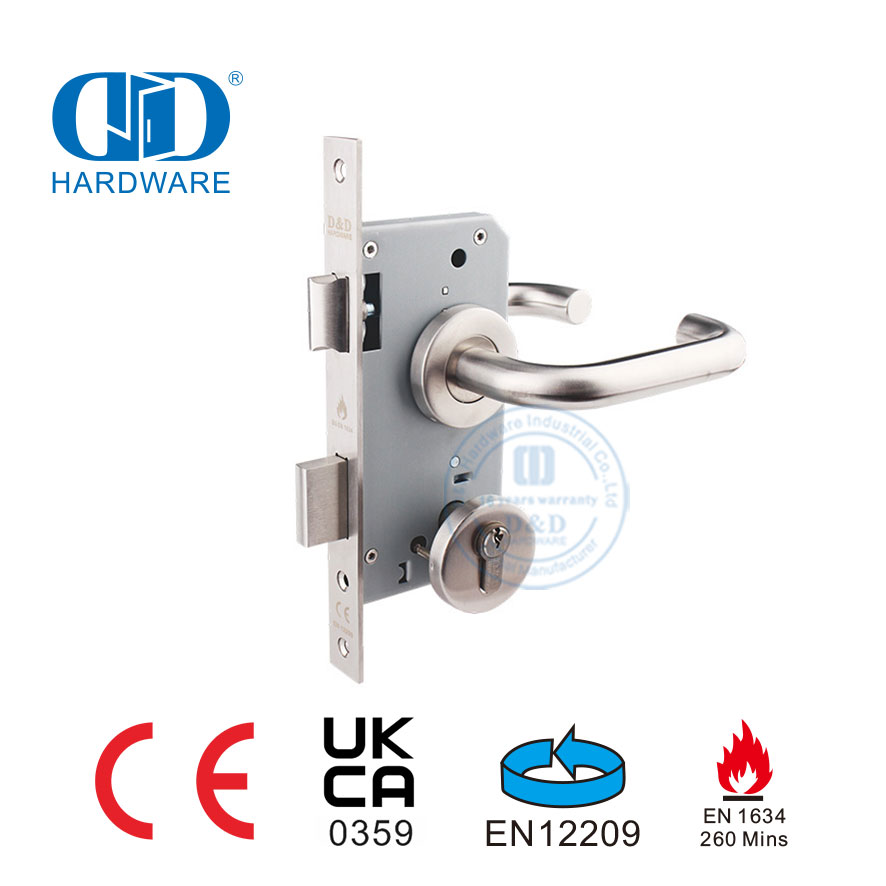
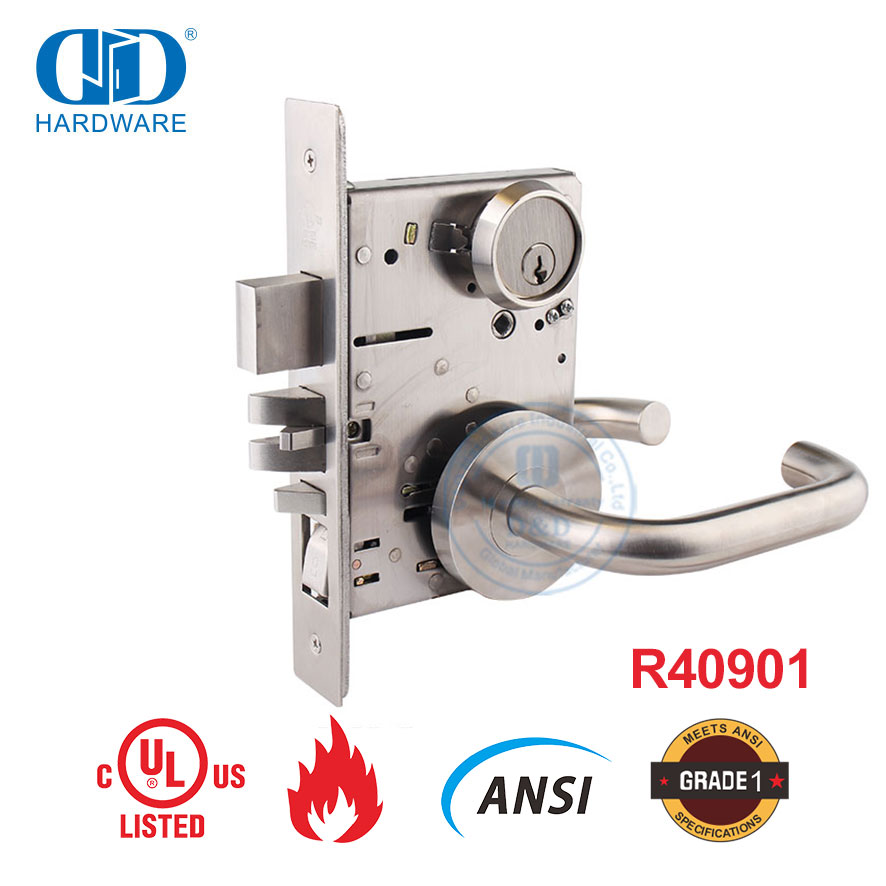
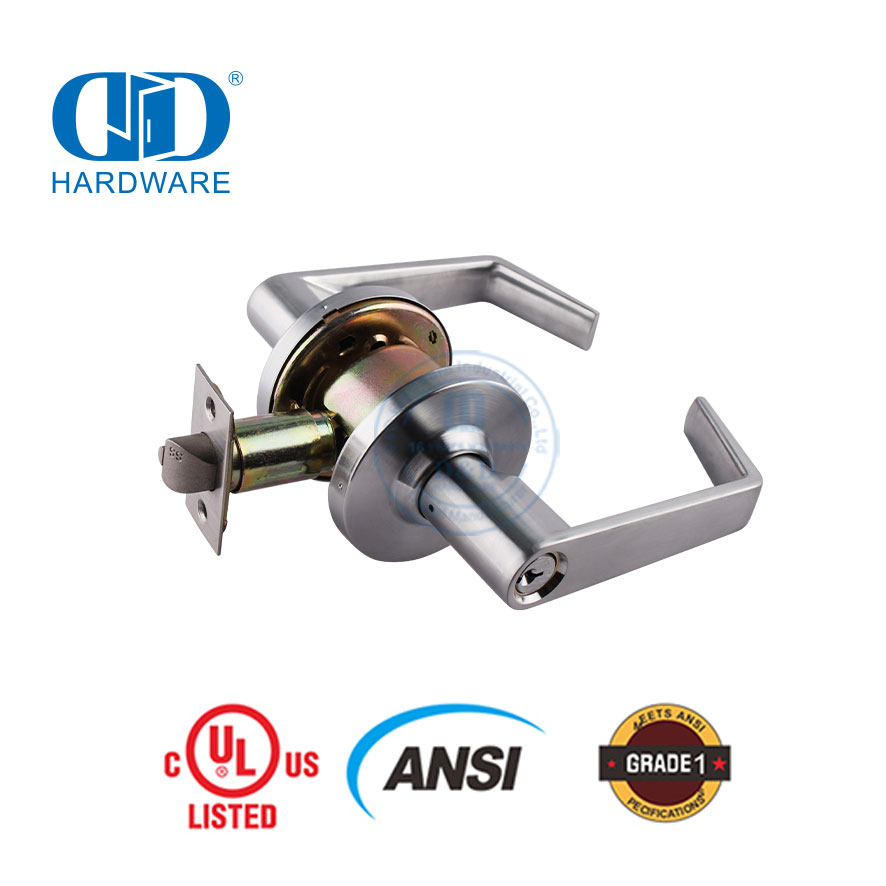
Fire-rated locks used in hospitality projects should be purely mechanical, ensuring reliability during power failure or emergency conditions.
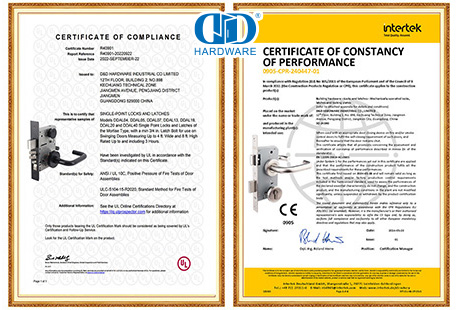
●Certified to UL or BS EN12209 standards
●Common types: mortise locks and cylindrical locks
●Functions vary by application:
Guest rooms: privacy or keyed entry functions
Back-of-house: security-focused locking
Mechanical reliability is prioritized over electronic complexity in fire-rated applications.
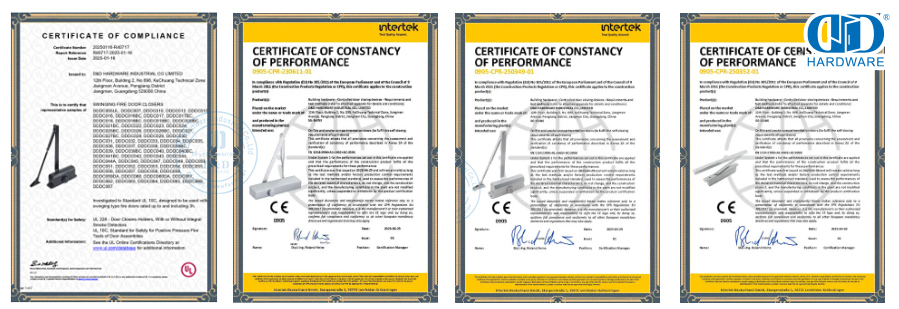
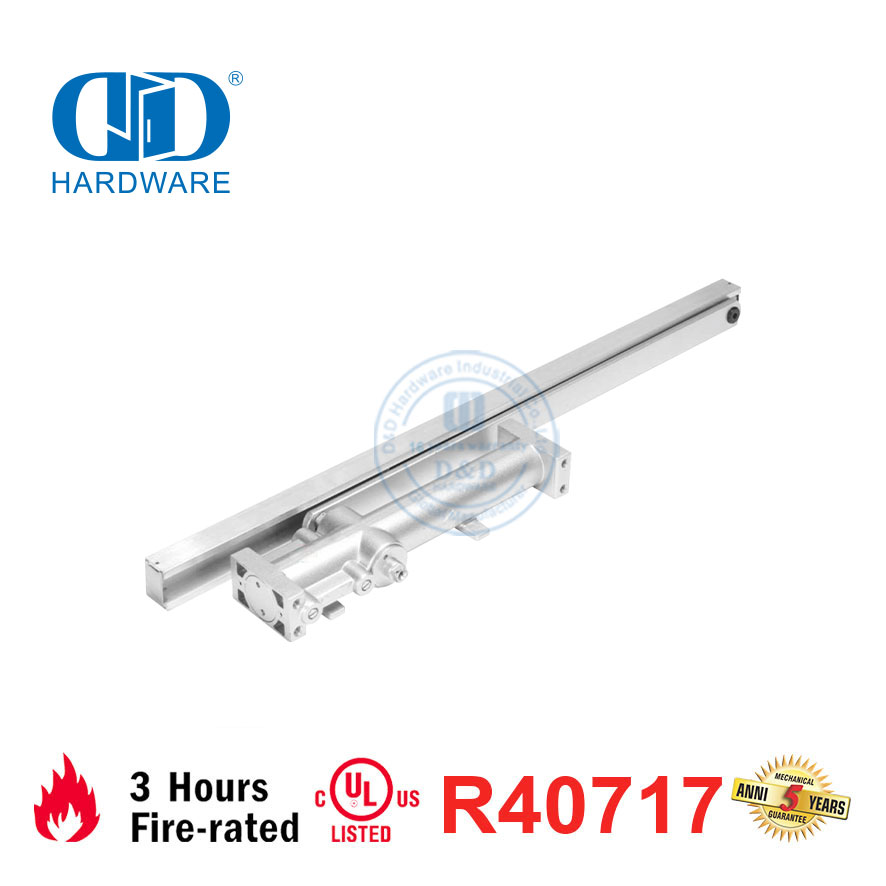
Door closers ensure that fire doors automatically return to the closed position, maintaining compartment integrity.
●Grade 1 heavy-duty closers for high-traffic areas
●Adjustable features:
Backcheck (prevents door slamming into walls)
Delayed action (for accessibility and service use)
●Types:
Surface-mounted (cost-effective and durable)
Concealed (preferred in high-end hospitality design)

Hinges are essential for maintaining door alignment and load-bearing capacity during fire exposure.
●Certified to UL 10C or EN1935 standards
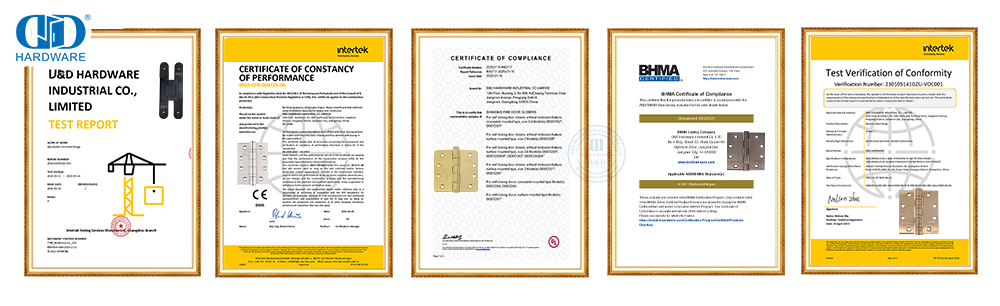
●Tested for high cycle performance (e.g., ANSI/BHMA Grade 1)
●Material selection:
Stainless steel recommended for coastal or humid environments
●Must support door weight and ensure stable operation over time


Emergency egress in hotels must be fast, intuitive, and reliable, especially in public areas.
●Certified to UL 305, UL 10C, or EN1125
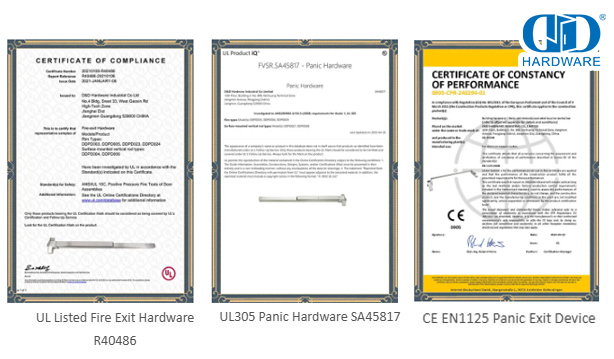
●Types include rim, mortise, and vertical rod devices


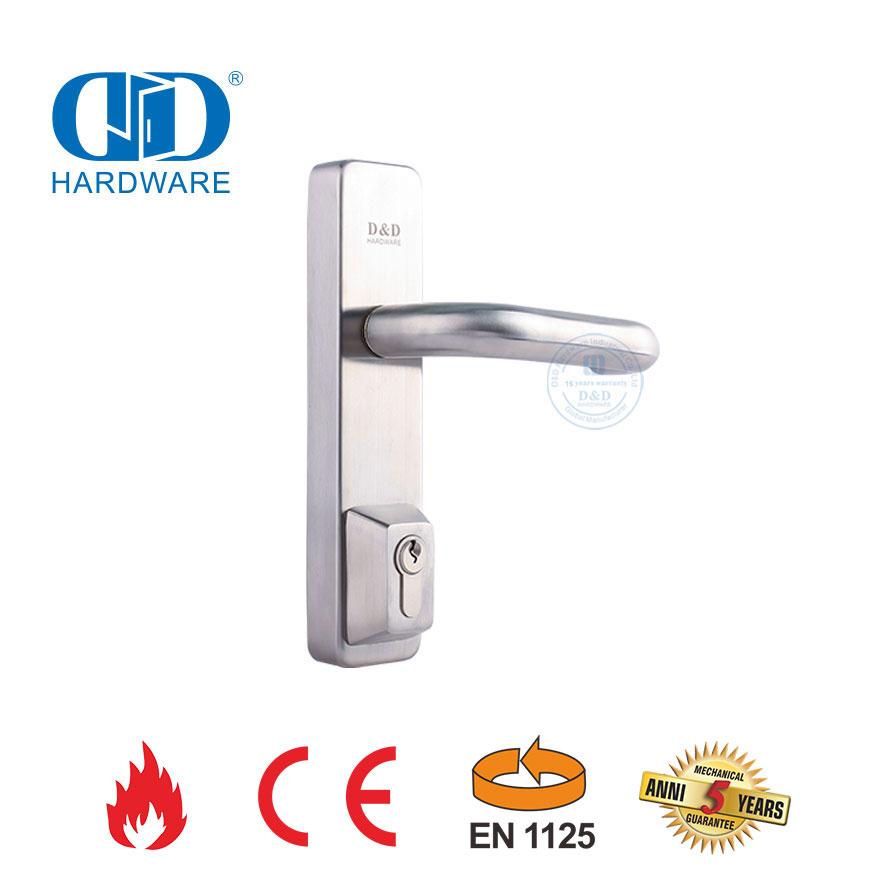
●Mechanical-only operation ensures functionality during power loss
●Dogging feature allows temporary hold-open in non-emergency situations

No electrified trim or access control integration should be used in fire-rated exit systems where compliance is critical.
Sealing systems are often overlooked but are critical for fire and smoke containment.
●Intumescent strips expand under heat to seal gaps
●Smoke seals prevent early smoke spread in evacuation routes
●Acoustic seals enhance guest comfort by reducing noise transmission
●Combined systems are widely used in hotel corridor doors

A successful hotel project requires application-based configuration, tailoring hardware solutions to each functional area.
●Mechanical privacy or passage locksets
●Silent latch mechanisms for noise reduction
●Overhead door closers for controlled closing
●Combined acoustic and smoke seals
Focus: guest comfort + fire compliance
●Heavy-duty door closers with backcheck
●Certified panic/fire exit hardware (mechanical only)
●Fire-rated hinges for structural stability
●Double-acting doors where permitted by code
Focus: safe evacuation + fire containment
●Stainless steel hinges and locks for corrosion resistance
●High-temperature intumescent seals
●Heavy-duty closers for frequent service use
Focus: durability + harsh environment resistance
●Concealed door closers for aesthetic integration
●Continuous hinges for oversized or heavy doors
●Panic hardware on all egress doors
Focus: design + high traffic performance
●Weather-resistant mechanical exit devices
●Heavy-duty hinges and protective hardware (e.g., latch guards)
●No electronic release mechanisms
Focus: reliability under external conditions
Even with certified products, improper specification or installation can lead to system failure:
●Mismatch between hardware rating and door fire rating
●Incorrect closer adjustment causing slamming or incomplete closing
●Use of non-rated seals or fasteners
●Modifications that void fire certification labels
These issues often result in failed inspections, costly rework, and project delays.
To ensure successful project delivery, B2B stakeholders should adopt the following best practices:
●Use certified hardware kits (lock, hinges, closer, seals as a system)
●Source components from a single tested assembly or compatible system
●Conduct mock-up installations and testing before full deployment
●Establish routine inspection and maintenance schedules
●Work closely with fire consultants and hardware specialists during design stage
For door manufacturers and contractors, offering pre-configured fire door hardware solutions significantly improves project efficiency and approval rates.

Fire-rated door hardware in hotels is not a collection of individual products—it is a fully integrated life-safety system. Each component must be certified, compatible, and correctly installed to ensure reliable performance during emergencies.
For hospitality projects, early collaboration with hardware specialists, careful system configuration, and selection of globally certified products (UL, BS EN, etc.) are essential steps toward success.
In life-safety applications, simplicity and mechanical reliability should always take priority over unnecessary complexity. By adopting a system-based, application-driven approach, hotel developers, door manufacturers, and contractors can deliver buildings that are not only compliant, but also safe, durable, and operationally efficient over the long term.
Click here for additional details on fire rated door hardware.
Now contact us.
Contact information for David Jian
Contact number: 0086-139 2903 7292
Email address: sales@danddhardware.com


