Certified for Safety. Trusted by Leaders Worldwide.
Pls inquire to sales@danddhardware.com
\\: +86 139 2903 7292

 English
 Author: D&D Hardware Publish Time: 2026-05-19 Origin: D&D HARDWARE


In commercial construction projects, fire doors are designed to do much more than separate spaces. They are part of a complete passive fire protection system intended to:
•Slow the spread of fire and smoke
•Protect evacuation routes
•Improve occupant safety
•Support regulatory compliance
However, a fire door itself is only one part of the system.
Without properly selected fire door accessories, even a certified fire door may fail to perform correctly during an emergency.
From our experience in commercial projects, many fire door failures are not caused by the door leaf itself, but by:
•Incorrect hardware selection
•Incompatible accessories
•Poor installation
•Non-certified components
This is why fire door accessories have become a critical focus in modern commercial building applications.

Fire door accessories refer to the hardware components installed together with fire-rated doors to ensure proper operation, safety, and compliance.
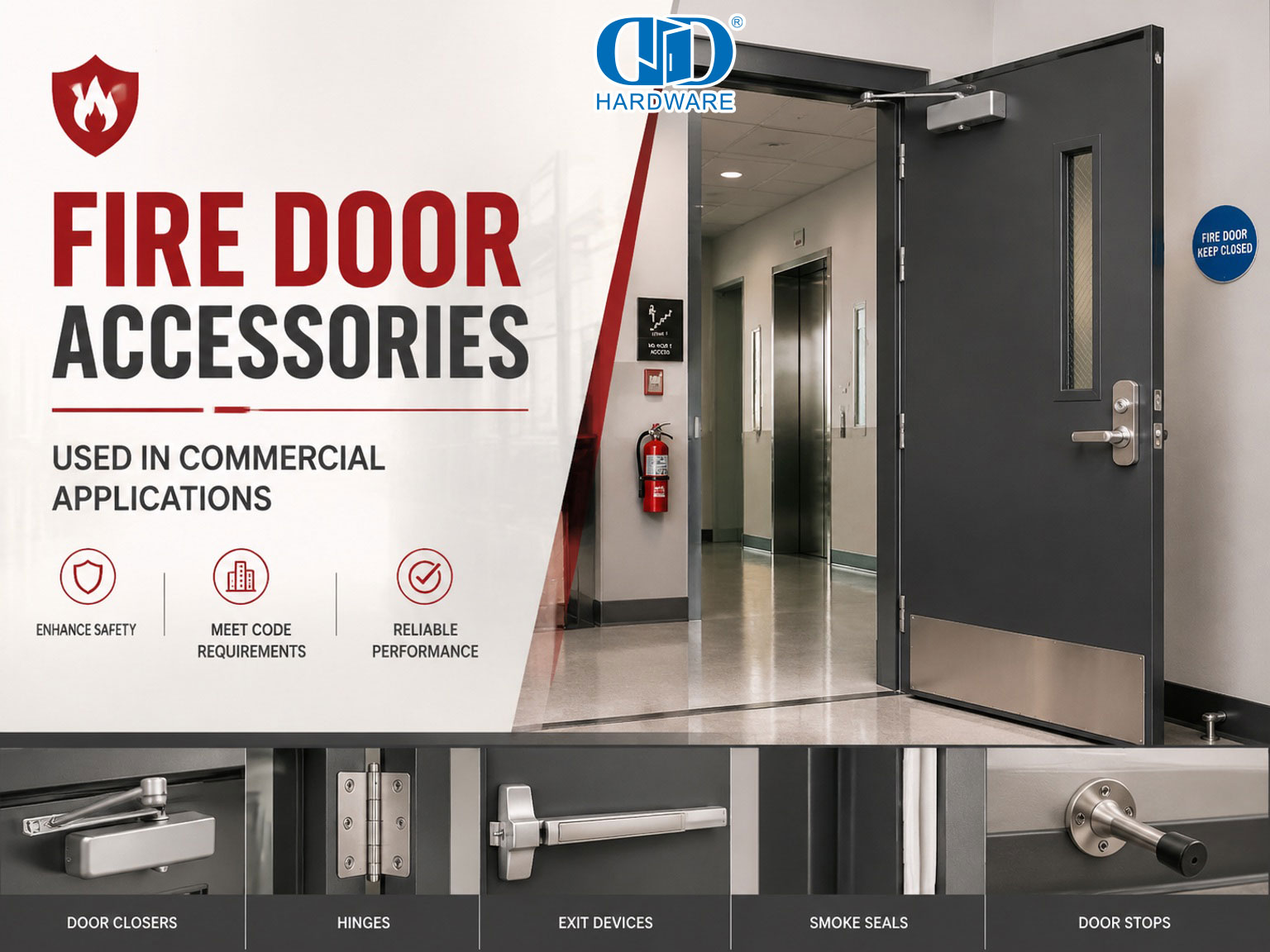
These accessories typically include:
•Hinges and Concealed hinges
•Door closers and Door coordinators / Door selectors
•Locks and latches
•Panic exit devices and Lever trims
•Flush bolts
•Intumescent seals
•Door handles
•Cylinders
•Door stops
•Door viewers
Each accessory plays a specific role within the fire door assembly.
The key principle is simple:
Fire door performance depends on the complete system, not individual products.
One of the most common problems we see in projects is mixing incompatible hardware components.
For example:
•A certified fire-rated door paired with non-rated hinges
•Panic hardware installed with incorrect door closers
•Fire doors without proper sealing systems
These mismatches can compromise:
•Fire resistance performance
•Door closing function
•Smoke containment
•Emergency egress capability
In commercial projects, fire doors are typically tested as complete assemblies. Every accessory must work together to maintain the integrity of the system.
This is why we always recommend selecting accessories based on:
•Building type
•Door application
•Fire rating requirement
•Traffic frequency
•Compliance standards
Different building types require different hardware configurations, but several accessories are considered essential in most commercial fire door systems.
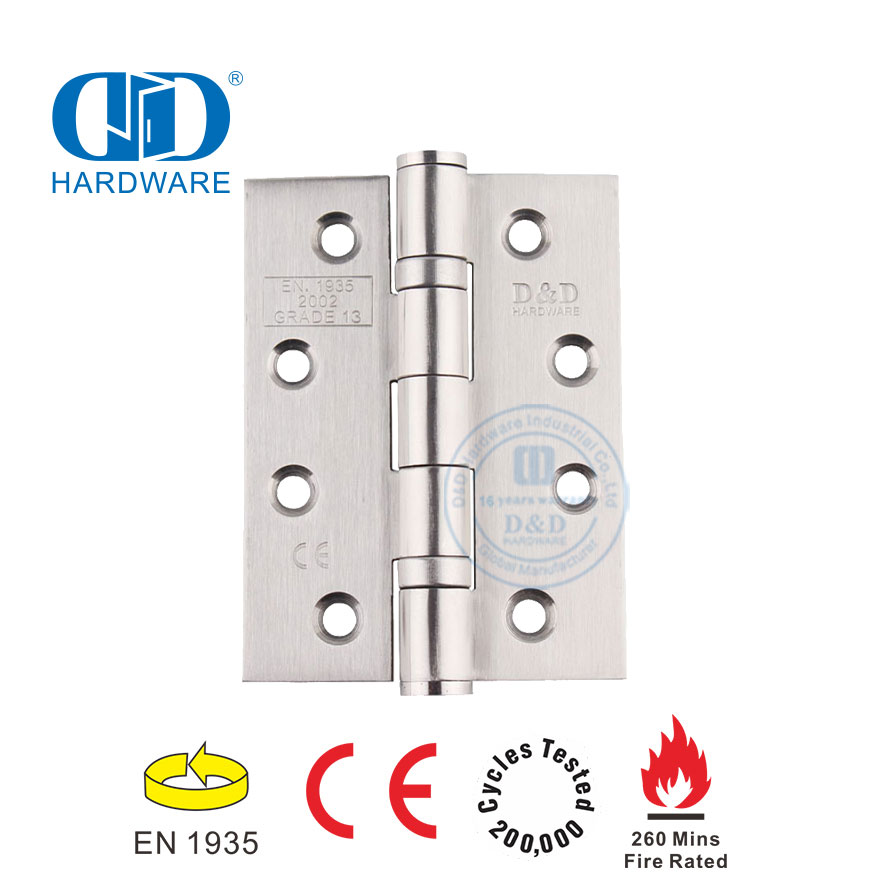
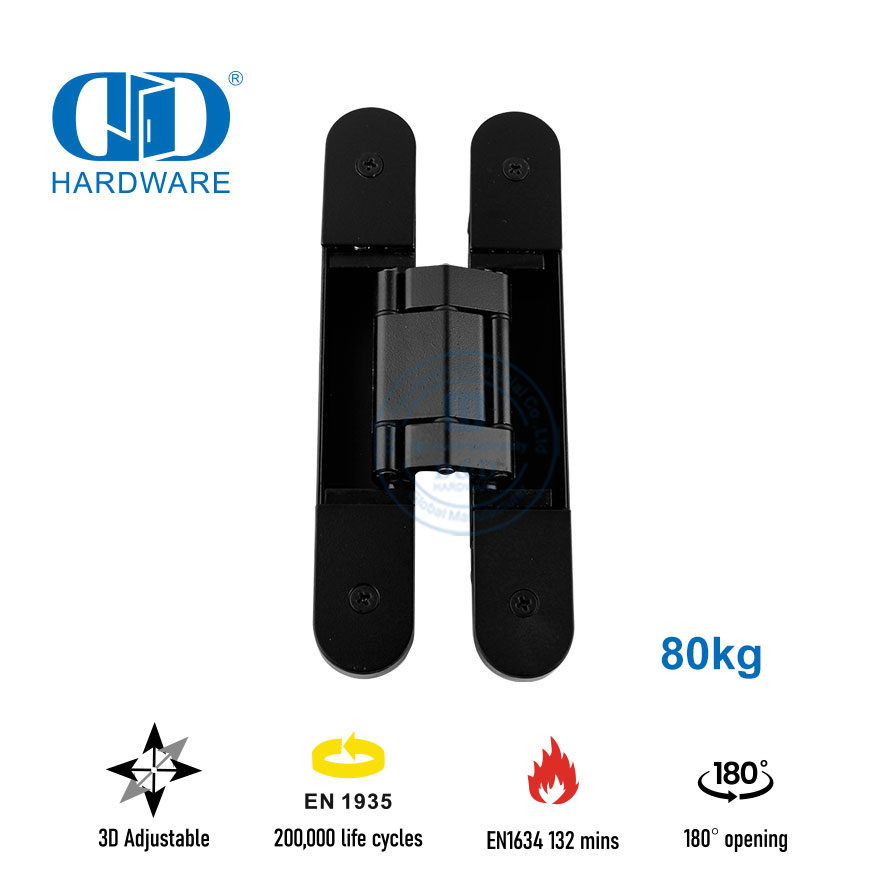
Hinges are one of the most critical structural components of a fire door assembly.
Their function includes:
•Supporting door weight
•Maintaining alignment
•Ensuring smooth movement
•Keeping the door attached during fire exposure
In commercial environments, hinges must also handle:
•High-frequency use
•Heavy door loads
•Long-term operational stress
Certified fire-rated hinges typically comply with:
•EN1935
•UL 10C
•ANSI/BHMA standards
In high-traffic applications such as schools, hospitals, and office buildings, heavy-duty hinges are essential for long-term reliability.
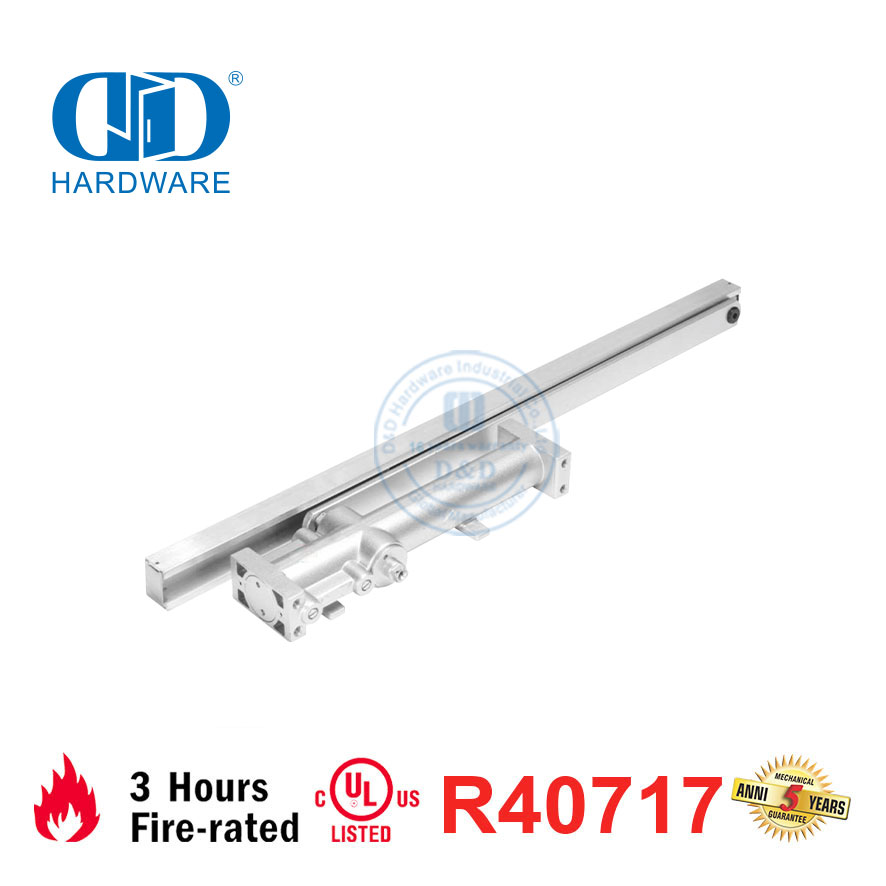
A fire door that remains open during a fire cannot perform its intended function.
Door closers ensure:
•Automatic closing after each use
•Controlled closing speed
•Secure latching
In commercial projects, closers are particularly important for:
•Stairwell doors
•Corridor fire doors
•Cross-corridor doors
•Public exit doors
High-quality fire-rated closers also help reduce:
•Door slamming
•Wear on hardware
•Maintenance frequency
Commercial-grade door closers are commonly tested to:
•EN1154
•UL 10C
•500,000 cycle durability standards
In modern public buildings, panic hardware is often required by building codes for safe evacuation.
Panic hardware is widely used in:
•Shopping malls
•Schools
•Transportation terminals
•Hospitals
•Stadiums
These devices allow occupants to exit quickly during emergencies through:
•One-action operation
•Full-width activation
•Immediate release under pressure
Certified panic devices typically comply with:
•EN1125
•UL305
•UL 10C fire ratings
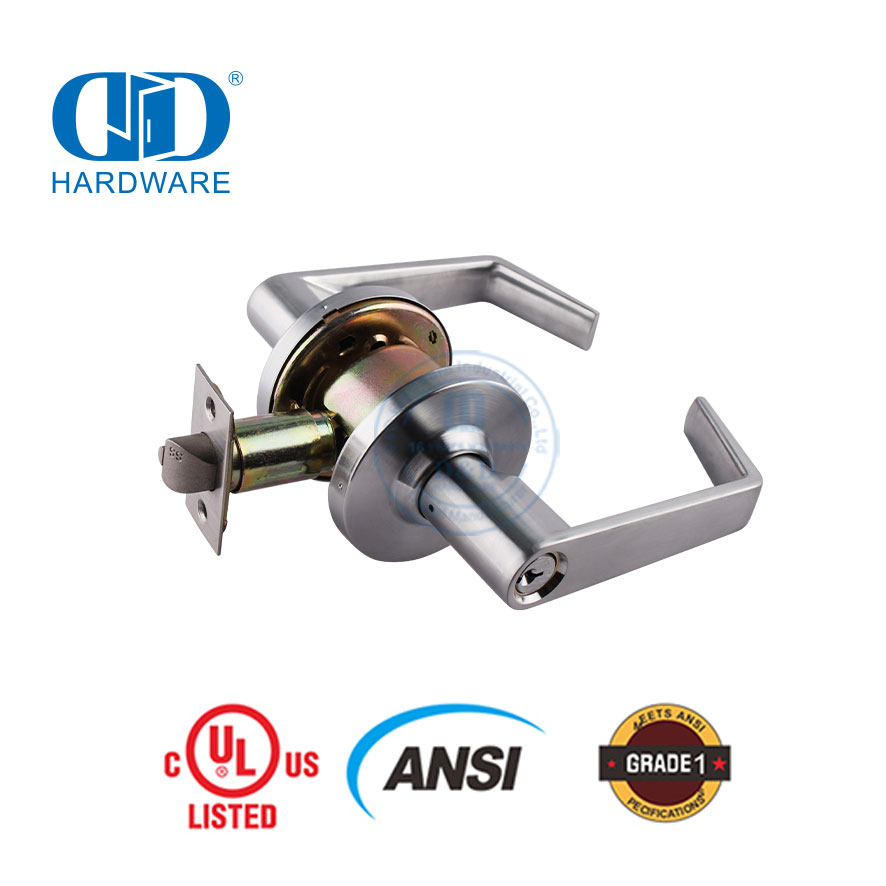
Locks and cylinders play a major role in:
•Access control
•Door security
•Fire door latching performance
For fire-rated applications, locks must:
•Maintain latching during fire exposure
•Operate reliably under repeated use
•Allow safe egress where required
Commercial fire door locks are commonly installed in:
•Office buildings
•Hotels
•Healthcare facilities
•Educational buildings
Mechanical reliability remains especially important in life safety applications.
Many people underestimate the importance of sealing systems.
However, smoke is often more dangerous than flames during a fire emergency.
Intumescent and smoke seals help:
•Prevent smoke leakage
•Seal door gaps under heat exposure
•Maintain compartmentation
These seals are commonly installed around:
•Door frames
•Door edges
•Vision panels
Without proper seals, even certified fire doors may fail smoke containment requirements.

One of the biggest differences in commercial projects is that hardware requirements vary depending on the application scenario.
Hotel projects typically focus on:
•Quiet operation
•Fire safety
•Premium appearance
Common configurations include:
•Concealed hinges
•Soft-closing door closers
•Fire-rated locks
•Smoke seals
Guest corridor doors often require both:
•Acoustic performance
•Fire protection compliance
Healthcare facilities prioritize:
•Hygiene
•Durability
•Safe evacuation
Typical hardware solutions include:
•Stainless steel hinges
•Heavy-duty closers
•Panic hardware
•Smoke seals
Reliability is especially important because hospital doors operate continuously throughout the day.
Schools and universities experience:
•High traffic
•Frequent misuse
•Large occupancy levels
Recommended accessories often include:
•Heavy-duty hinges
•Panic bars
•Durable locksets
•Reinforced closers
Long-term durability becomes a major factor in reducing maintenance costs.
Office projects increasingly focus on:
•Modern architectural appearance
•Access control integration
•Corridor fire compartmentation
Common hardware configurations include:
•Concealed hinges
•Fire-rated closers
•Mortise locks
•Smoke seals
Consistency across the project is important for both appearance and maintenance efficiency.
From our experience, several recurring issues appear repeatedly in commercial projects.
1. Mixing Certified and Non-Certified Components
This may compromise the entire fire door assembly.
2. Incorrect Door Closer Adjustment
Doors may fail to latch properly.
3. Underspecified Hinges
Heavy commercial doors may sag over time.
4. Missing Smoke Seals
This affects smoke containment performance.
5. Using Residential Hardware in Commercial Projects
Low-grade products often fail under high traffic conditions.
Commercial fire doors may operate:
•Hundreds of times per day
•Continuously for years
•Low-quality accessories often lead to:
•Increased maintenance
•Hardware failure
•Door misalignment
•Safety risks
This is why commercial projects increasingly prioritize:
•Cycle-tested hardware
•Corrosion resistance
•Fire-rated certification
•Heavy-duty construction
Long-term reliability reduces operational costs and improves project performance.

1. What are the most important accessories in a fire-rated door system?
The most critical accessories typically include:
•Hinges
•Door closers
•Locks
•Panic hardware
•Smoke seals
These components directly affect fire door performance.
2. Why must fire door accessories be certified?
Certified accessories ensure compatibility with fire-rated door assemblies and help meet international building safety standards.
3. Can standard commercial hardware be used on fire doors?
No. Only fire-rated hardware tested for fire door applications should be used.
4. Why are door closers necessary on fire doors?
Door closers ensure the door automatically closes after use, maintaining fire compartment protection.
5. What is the purpose of intumescent seals?
Intumescent seals expand under heat exposure to seal door gaps and help prevent the spread of fire and smoke.
6. Why are heavy-duty accessories important in commercial buildings?
Commercial doors experience high traffic and continuous use, requiring hardware with greater durability and long-term reliability.
Click here for additional details on fire rated door hardware.
Now contact us.
Contact information for David Jian
Contact number: 0086-139 2903 7292
Email address: sales@danddhardware.com